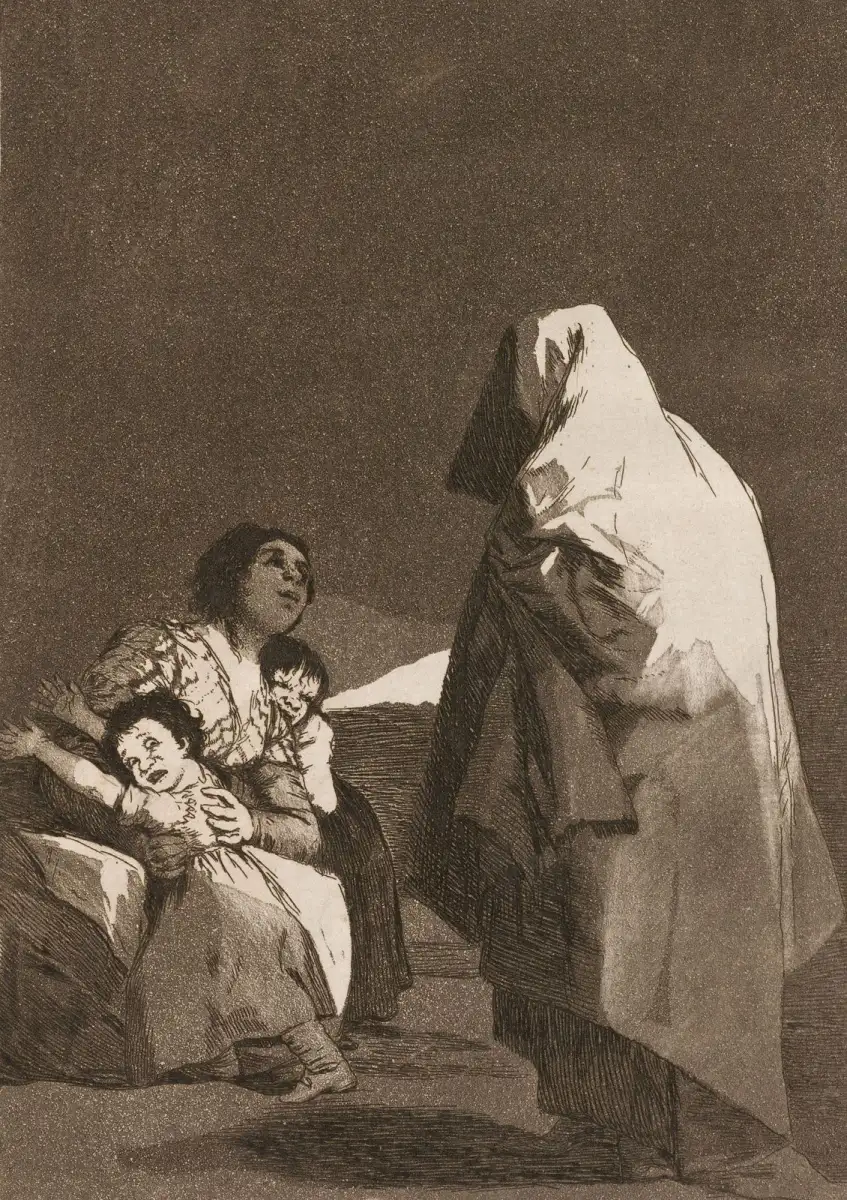
A pervasive template of the antagonist, often a mirror to societal anxieties, has become the go-to for a swathe of television productions. This manufactured menace, a composite of disparate fears, is no longer a singular specter but a recurring motif, its ubiquity raising questions about creative exhaustion and narrative shorthand. The repeated deployment of these archetypal villains suggests a production ecosystem reliant on predictable threats, a move away from nuanced characterizations towards easily digestible antagonism.
This characterization isn't born from a vacuum. The current trend taps into a long-standing cultural device, akin to the 'bogeyman' – a figure used to embody and externalize disquietude. Just as the traditional bogeyman served as a cautionary figure, these television villains often manifest as the embodiment of contemporary worries, whether economic instability, technological overreach, or existential dread.
Read More: The Plot Against America Miniseries Discussed in April 2026
The construction of these characters often follows a pattern: a disruption of the ordinary, a calculated threat, and a response that underscores the vulnerabilities of the protagonists. This formula allows for rapid narrative propulsion, sidestepping deeper explorations of motivation or consequence in favor of immediate conflict. The appeal lies in their instant recognition and their ability to evoke a visceral reaction, playing on ingrained fears rather than cultivating new ones.
While some critics lament the perceived lack of originality, others view it as a reflection of our times. These villains, in their very predictability, become a perverse comfort, a familiar enemy against which familiar battles can be waged. Their sameness, ironically, underscores a shared cultural landscape, a collective understanding of what constitutes a threat in the current socio-political climate.
Background: The 'Bogeyman' in Cultural Discourse
Historically, the 'bogeyman' has been a versatile, often ill-defined entity. Defined in various cultures, this folkloric figure serves as a personification of the unknown and the frightening, frequently used in child-rearing to encourage obedience through fear. Its amorphous nature allows it to adapt, morphing to represent the anxieties specific to a time and place. From parental warnings to widespread societal panics, the 'bogeyman' concept endures as a potent tool for externalizing apprehension.
Read More: Why the New Atheism movement lost public influence by April 2026