A Pledge Facing Obstacles
Donald Trump repeatedly stated he would resolve the conflict in Ukraine within 24 hours of taking office, or even before his term began. This bold promise, made on the campaign trail, has encountered significant challenges as the war persists. The timeline for a swift resolution has stretched well beyond the initial 24-hour window, raising questions about the feasibility of such a rapid diplomatic outcome.
The Campaign Trail Promises
During his presidential campaign, Donald Trump made numerous pronouncements about his ability to bring an swift end to the war in Ukraine.

He asserted, "I’ll get that war settled before I even become president. I’ll get it settled very quickly."
On multiple occasions, Trump repeated claims that he could settle the conflict within a day.
He even expressed certainty to Sean Hannity, stating he was "100% sure" he could fulfill this promise.
Read More: AOC Talks About China and Taiwan Abroad, Works on Trash at Home
These statements formed a significant part of his platform, suggesting a straightforward approach to a complex geopolitical issue.
Persistent Conflict and Shifting Explanations
Despite Trump's inauguration in January, the war between Russia and Ukraine has continued without a clear end in sight.
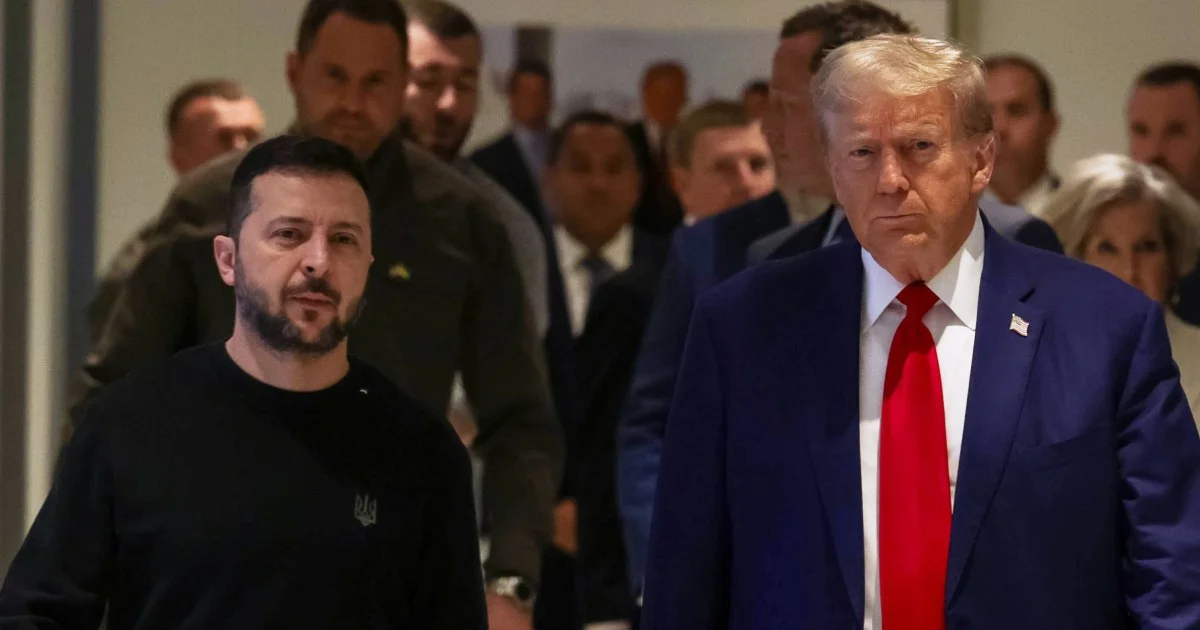
As of April and May 2025, reports indicate that the conflict is still ongoing.
Trump's administration has faced difficulties in achieving a rapid peace deal.
When pressed on the lack of a resolution, Trump has offered varying explanations.
At one point, he suggested his earlier statements about a 24-hour resolution were made "sarcastically."
He also acknowledged that ending such conflicts is "more difficult than people would have any idea."
This shift in narrative contrasts with the initial absolute confidence expressed during his campaign.
Diplomatic Realities and International Views
The path to ending the Ukraine war involves intricate diplomatic hurdles and differing perspectives from international actors.
Read More: Government Department for Homeland Security Partially Closes
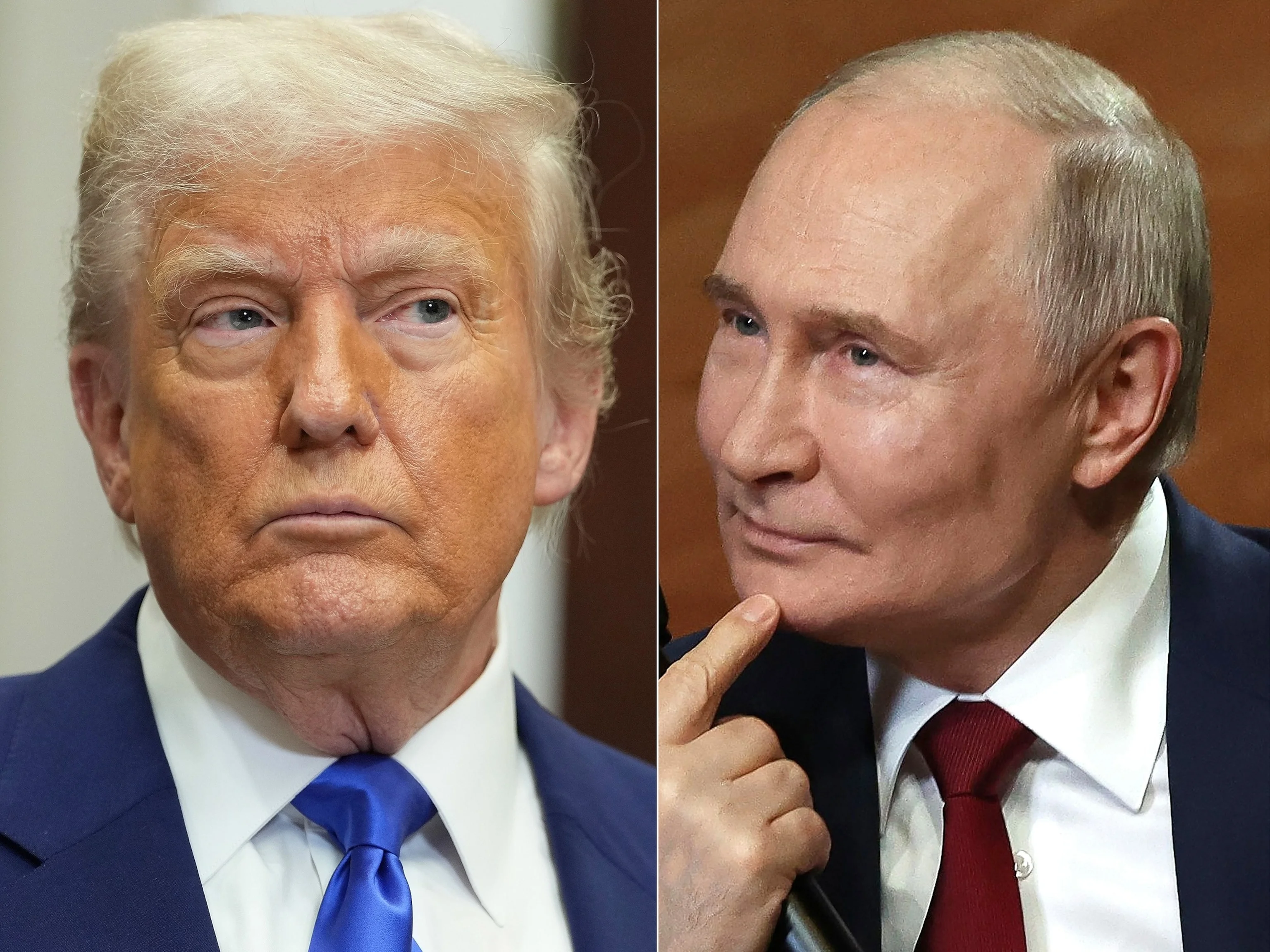
Territorial Disputes: A major obstacle remains the unresolved issue of territories Russia has claimed to annex from Ukraine.
NATO Aspirations: Ukraine's potential membership in NATO also presents a complex point of contention.
Russian Stance: Russia's UN ambassador has stated that a quick resolution, as promised by Trump, is not feasible.
European Concerns: European Union foreign policy chief Kaja Kallas noted that Russia has not demonstrated a genuine desire for peace, evidenced by continued attacks on civilian infrastructure.
These factors underscore the intricate nature of the conflict, making a unilateral, rapid resolution challenging.
Strategic Approaches and Criticisms
While Trump has promised a swift end, his administration's proposed strategies and actions have drawn attention.
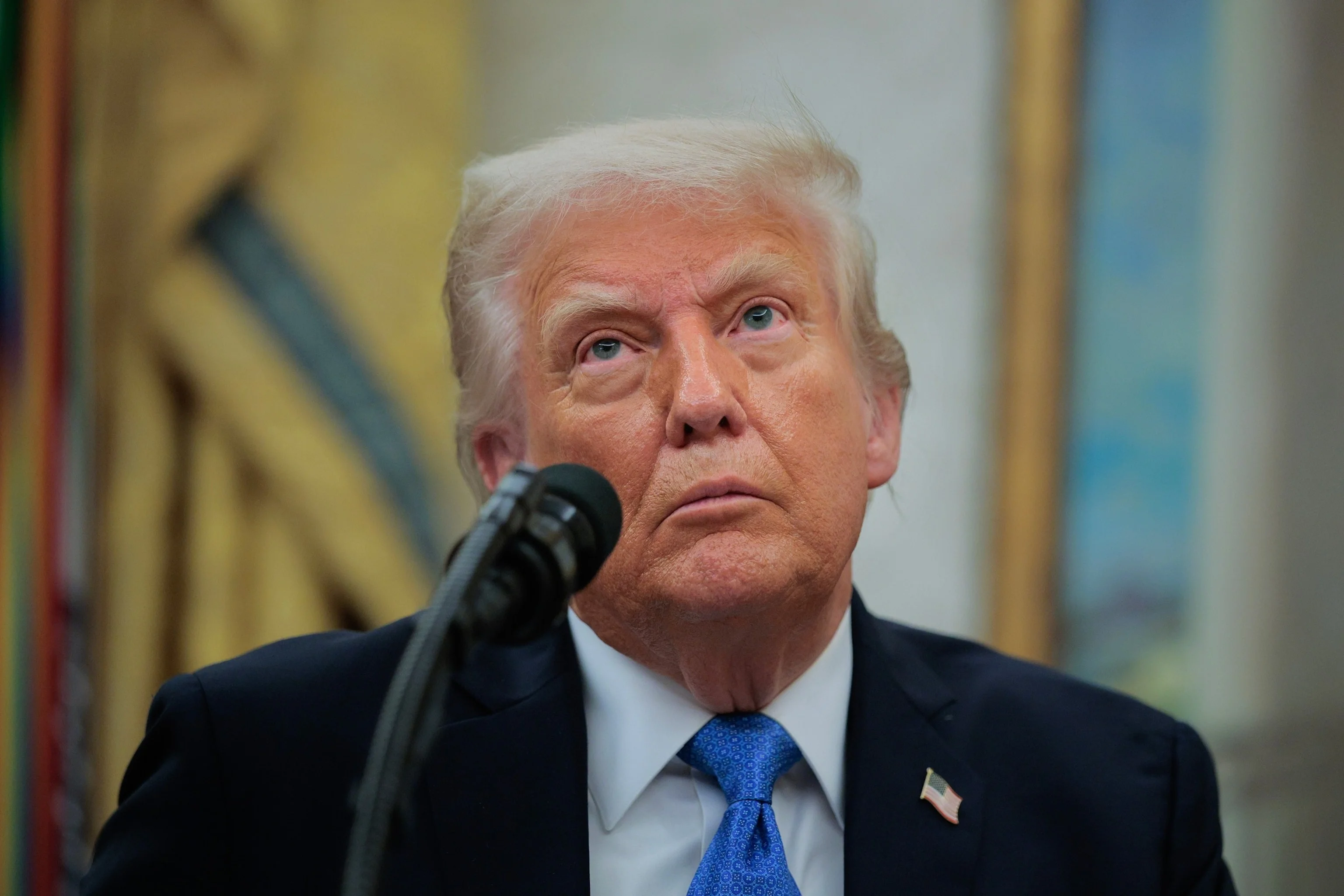
Reduced U.S. Aid: Trump has suggested a potential reduction in U.S. military aid to Ukraine.
Increased European Support: He has also called for European governments to increase their support for Ukraine.
Disagreement on Missile Strikes: Trump has expressed disagreement with Ukraine's use of longer-range missiles targeting Russian territory.
No Peace Proposal: Reports indicate that Trump's team has not yet presented a detailed peace proposal to Ukrainian leadership.
Personal Diplomacy: Trump has emphasized his personal relationship with Vladimir Putin as a key to brokering a peace deal, though recent calls have not yielded a breakthrough, with Russia continuing its strikes.
Read More: India and U.S. Defence Ties Growing Stronger
The effectiveness and diplomatic implications of these approaches remain under scrutiny.
Expert Perspectives
Analysts and international officials have offered their views on the challenges of resolving the Ukraine war.
Vuk Vuksanovic, an associate at the London School of Economics think tank LSE IDEAS, commented that the lack of agreement on territorial issues and Ukraine's NATO status complicates any hasty resolution.
Keith Kellogg, designated by Trump as a potential special envoy to Ukraine, has indicated that Trump would not force Ukraine into an unfavorable agreement.
These insights highlight the complex international dynamics at play.
Conclusion
Donald Trump's recurring promise to end the war in Ukraine within 24 hours has encountered the persistent realities of the ongoing conflict. His administration faces significant diplomatic and territorial challenges, and his explanations for the lack of a swift resolution have evolved. While he has suggested strategies involving reduced U.S. aid and increased European support, the absence of a concrete peace proposal and continued hostilities indicate that a rapid end to the war remains an elusive objective. The complex geopolitical landscape, coupled with differing international stances, suggests that any resolution will require sustained diplomatic engagement and compromise.
Sources
CNN Politics: Trump Said He’d End the War in Ukraine in a Day. It’s Harder Than He Thought. (Article 1)
Link: https://www.cnn.com/2025/04/25/politics/fact-check-trump-ukraine-war
Context: Fact-checking Trump's repeated claims about ending the Ukraine war quickly.
AOL (AP News): Trump says he can end the Russia-Ukraine war in one day. Russia's UN ambassador says he can't (Article 2)
Link: https://apnews.com/article/trump-russia-ukraine-war-un-election-a78ecb843af452b8dda1d52d137ca893
Context: Reporting on Trump's claim and the Russian UN ambassador's skepticism.
Newsweek: Donald Trump said he'd end Ukraine war in first 24 hours. He hasn't (Article 3)
Link: https://www.newsweek.com/russia-ukraine-trump-war-2-2018906
Context: Examining Trump's pledge and the difficulties in achieving a quick end to the war.
HuffPost: Trump's Reason For Not Ending Ukraine War In 24 Hours Brutally Mocked (Article 4)
Context: Discussing Trump's admission of the difficulty and his explanation for not meeting his deadline.
NBC News: Trump's promise to end the Ukraine war in a day meets harsh realities (Article 5)
Context: Investigating the practical challenges Trump's administration faces in fulfilling his promise.
ABC News: Trump said only he could get Putin to make a Ukraine peace deal. It hasn't happened. (Article 6)
Link: https://abcnews.com/Politics/trump-putin-make-ukraine-peace-deal-happened/story?id=121984643
Context: Assessing the outcome of Trump's claims about his personal diplomacy with Putin regarding the Ukraine war.
NBC Washington: Trump said he could stop the Ukraine war in 24 hours. After 100 days, a deal still eludes him (Article 7)
Context: Analyzing the progress, or lack thereof, on Trump's promise to end the war after a significant period.
The Independent: Trump campaigned on ending Ukraine war on Day 1. Now he said it was in ‘jest’ (Article 8)
Context: Reporting on Trump's shift in explanation, suggesting his earlier promises were not serious.
DW: US plan to end Russia's war in Ukraine: Where it stands now (Article 9)
Link: https://www.dw.com/en/us-plan-to-end-russias-war-in-ukraine-where-it-stands-now/a-75125356
Context: Overview of the current status of US plans to resolve the conflict in Ukraine.