Donald Trump has publicly dismissed criticism from former supporter Riley Gaines regarding an AI-generated image depicting him in a Christ-like manner, stating he is "not a big fan of Riley, actually." The exchange follows Trump's deletion of the controversial post, which had drawn fire from various figures, including Gaines, for its perceived messianic tone. Trump maintains the image was intended to show him as a doctor.

The crux of the matter appears to be a public disagreement and subsequent repudiation between a prominent political figure and a former supporter.
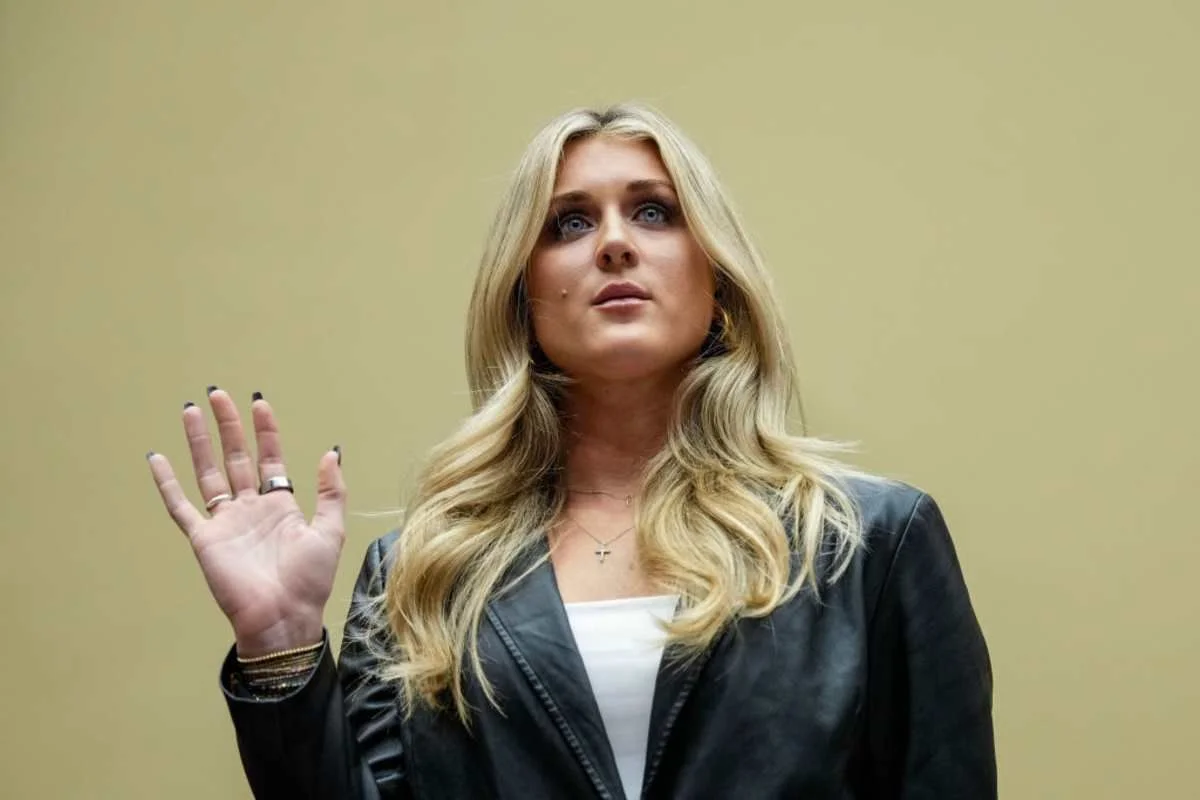
Gaines, who has been a vocal advocate for Trump and conservative causes, particularly concerning transgender athletes in sports, expressed bewilderment and disapproval of the AI-generated image on social media. She questioned the decision to post such a graphic, suggesting a lack of humility and a failure to respect religious tenets. However, following Trump's sharp retort and explanation that the image was meant to portray him as a doctor aiding the sick, Gaines subsequently reaffirmed her support for the former president, stating, "I love the president."
Read More: Taiwan Holds Nantou County Drills to Prepare for State Collapse
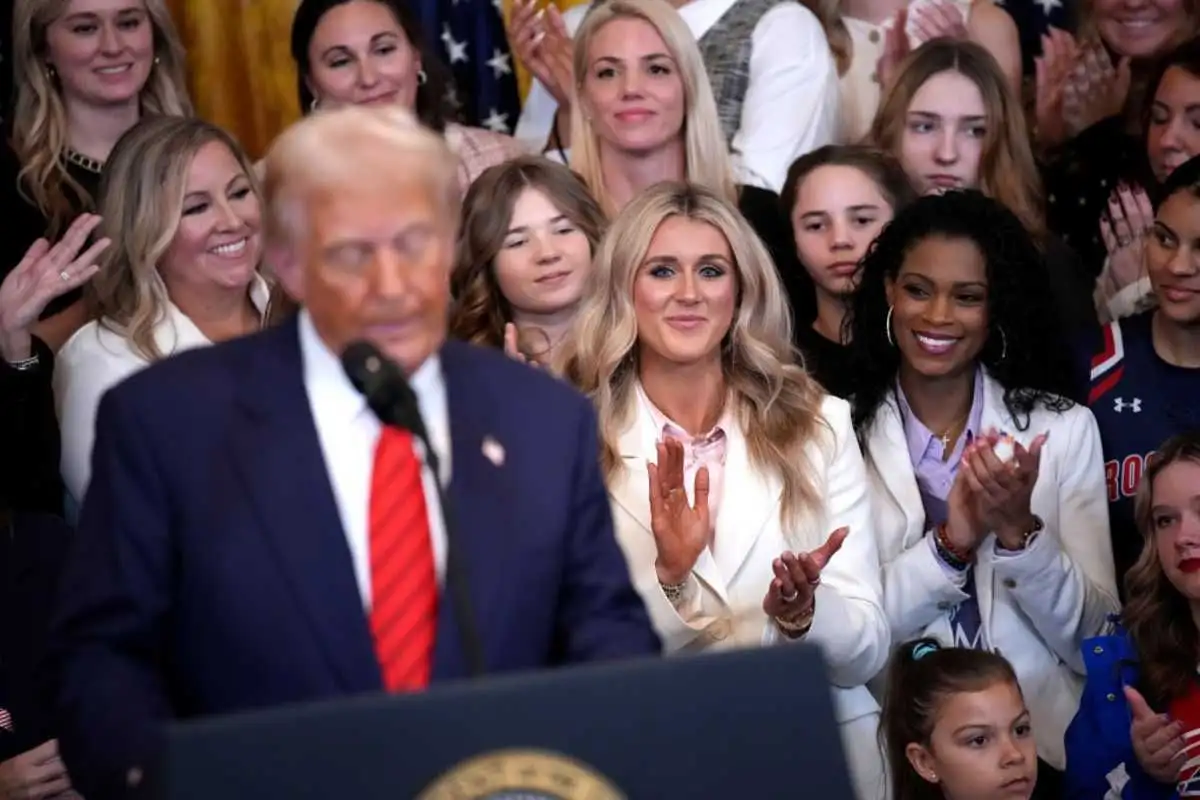
Trump's response to Gaines, delivered in a phone interview and later to reporters, marked a notable public cooling of their previously aligned public stance. He stated he "did not listen to Riley Gaines" and characterized her criticism as stemming from confusion about the image's intent.
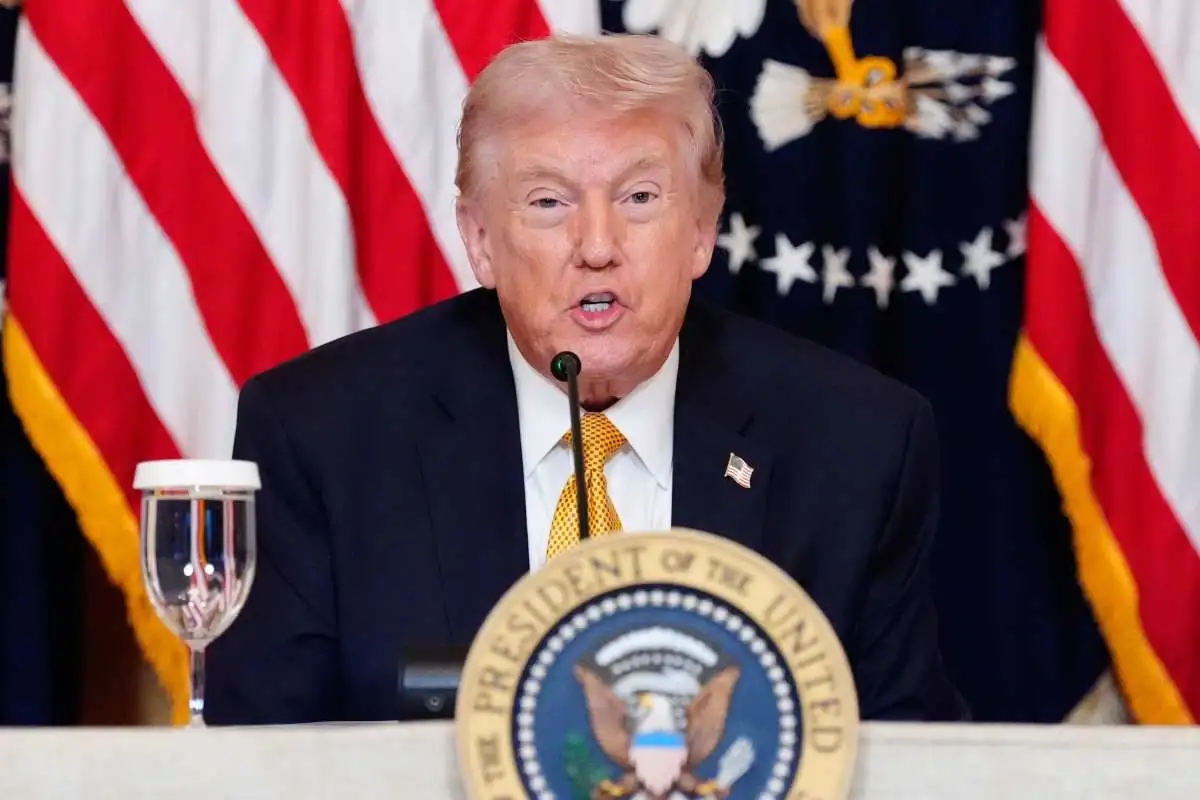
The AI-generated image, which showed Trump in robes healing a sick individual, appeared on his Truth Social platform. It triggered widespread commentary and backlash, with some users on the platform itself voicing strong disapproval. The post was deleted approximately 13 to 17 hours after its initial appearance, with Trump attributing its removal not to the criticism, but to a misunderstanding of its portrayal. The timing of the post, occurring shortly after Easter for many Christian denominations and following Trump's earlier criticisms of Pope Leo XIV, added to the charged atmosphere surrounding the image.
Read More: Trump Uses Taylor Swift Wedding Buzz For Campaign
Background: Shifting Alliances and Digital Manifestations
This episode highlights the complexities of political endorsements and public perception in the digital age. Riley Gaines rose to prominence as a vocal critic of transgender participation in women's sports, a stance that garnered her significant attention and support within conservative circles, including from figures like Trump. Her alignment with Trump appeared strong until the AI image incident.
The incident also underscores the evolving use of artificial intelligence in political messaging and the potential for misinterpretation or deliberate provocation. While Trump defended the image as a representation of his perceived ability to "make people better" as a doctor, many interpreted it as an audacious claim of divine or Christ-like status, a reading that ignited criticism from across a spectrum of observers, including some of his own usual allies. The controversy played out across social media platforms, demonstrating how digital content can rapidly escalate into public discourse and political friction.
Read More: FBI Analysts Review Georgia 2020 Election Data in Fulton County