Election Overhaul Bill Faces Senate Hurdles Amidst Internal GOP Disagreements
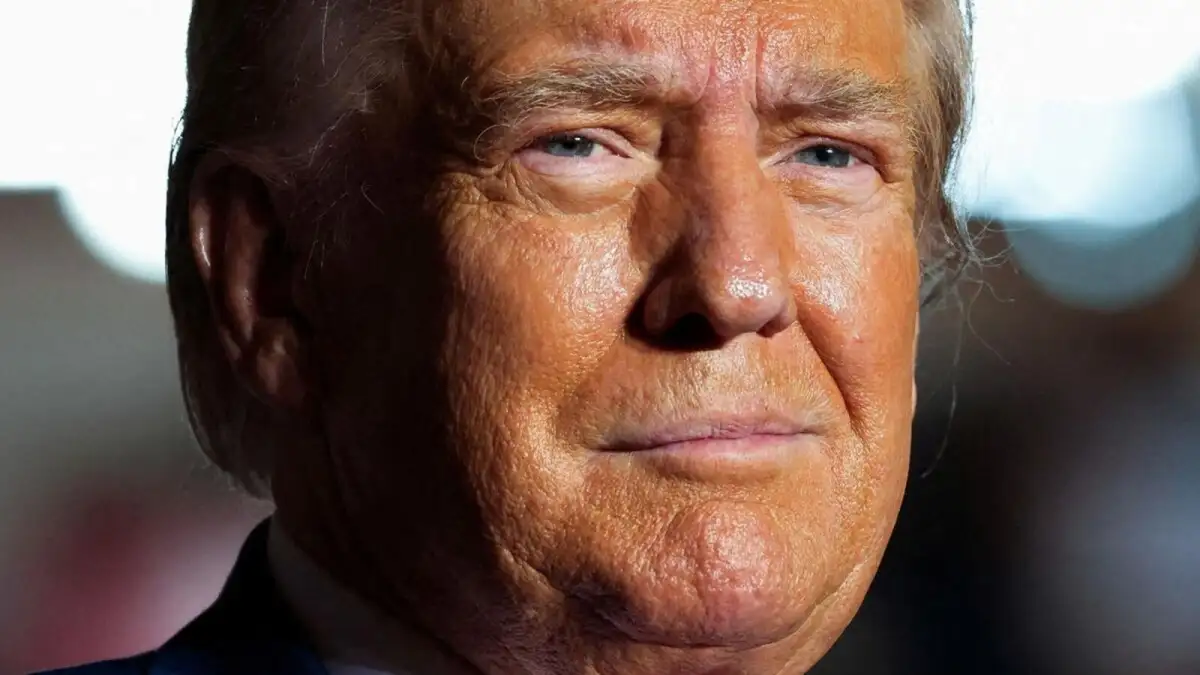
Miami, FL - Former President Donald Trump used a gathering of House Republicans at his Miami resort to aggressively advocate for the passage of the revised 'SAVE America Act,' a sweeping proposal focused on election integrity measures. Trump declared he would veto any new legislation until the bill receives congressional approval, signaling his commitment to the measure. He subsequently thanked House Republicans for already passing the bill, while implicitly pressuring the Senate to follow suit.
The core of the proposed legislation, as understood from various reports, centers on mandating national voter identification requirements and proof of citizenship for voter registration. While the concept of voter ID is not new to American elections, this specific iteration, backed by Trump and some conservative Republicans, appears designed to create a uniform, stricter standard across the nation. The timing of this push, particularly ahead of significant midterm elections, has drawn criticism, with some Democrats suggesting it is a deliberate strategy to alter voter rules.
Read More: Taiwan Holds Nantou County Drills to Prepare for State Collapse

Senate Gridlock and Republican Skepticism
The path forward for the 'SAVE America Act' in the Senate remains fraught with difficulty. Senate rules, including the possibility of a 'talking filibuster,' allow for extensive debate and amendment processes that could significantly delay or derail the bill. Reports indicate that not all Republican senators are unified behind the measure. Some, like Utah's John Curtis, have expressed reservations about proposed changes to Senate rules necessary for the bill's expedited passage. Achieving unanimous Republican support in the Senate, a prerequisite for overcoming potential filibusters, appears to be a considerable challenge.
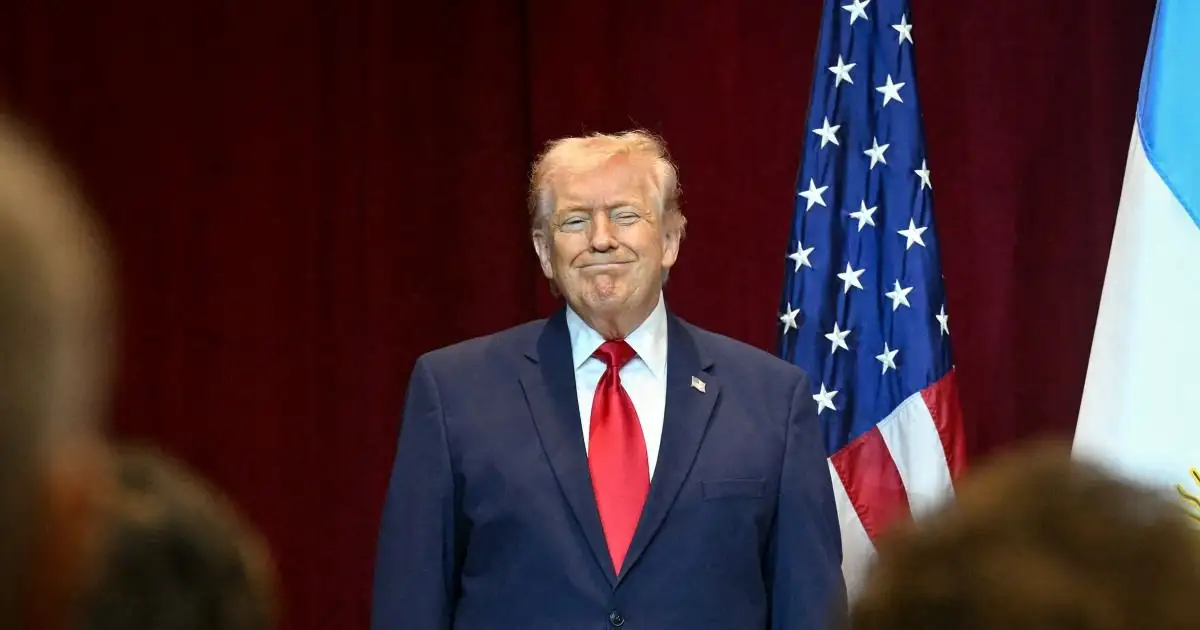
The legislation has been a focal point for conservative lawmakers like Mike Lee, who have been relying on Trump's public endorsement to galvanize support. Trump himself has actively promoted the bill on social media, sometimes referring to it as the 'SAVE Act' and suggesting minor name changes. This public pressure extends to more drastic measures, with Trump previously advocating for a government shutdown if the bill, or elements of it, were excluded from essential funding resolutions.
Read More: Aboriginal Voters Turned Away From SA Polling Stations on Election Day
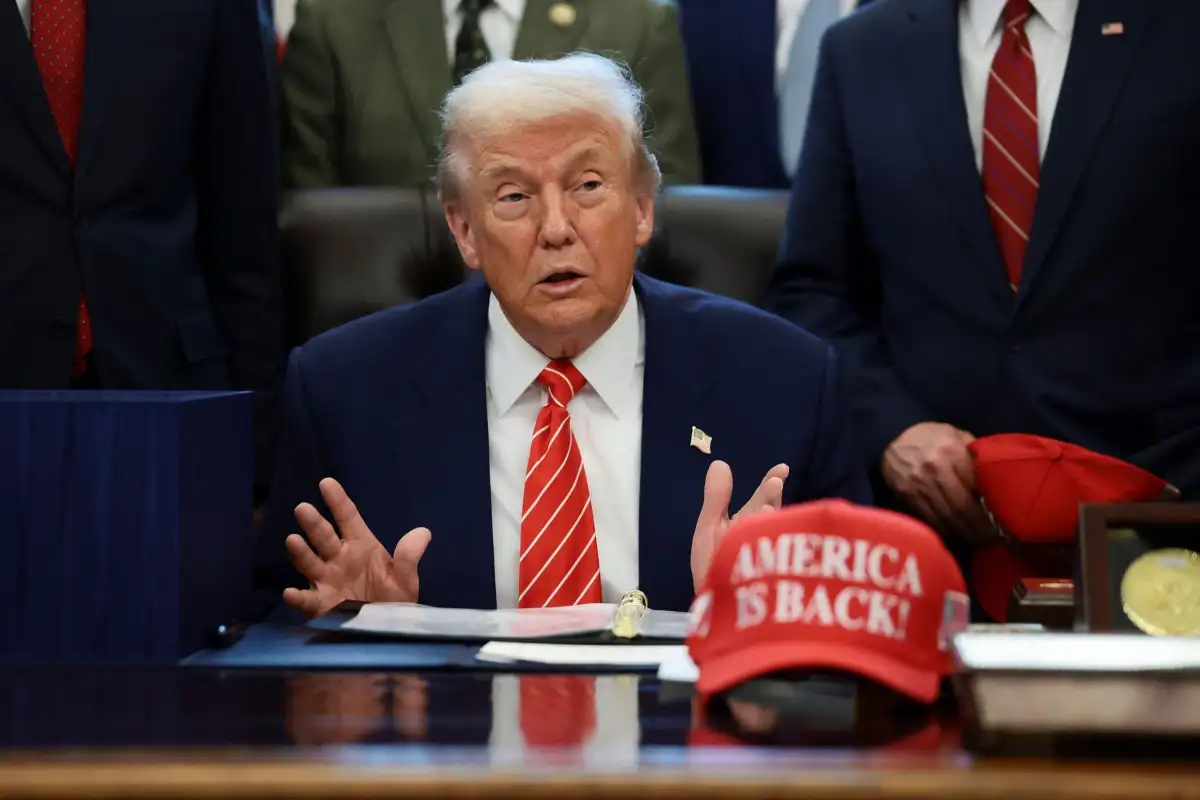
The 'SAVE America Act' posits requirements such as voter ID and proof of citizenship for voter registration. While non-citizens are already barred from federal and state elections, and some local elections permit non-citizen voting, the proposed federal mandate aims for a more uniform approach. The broader political landscape surrounding the bill involves intense debate over election administration and voter access, with proponents arguing for enhanced security and opponents raising concerns about disenfranchisement and partisan maneuvering.