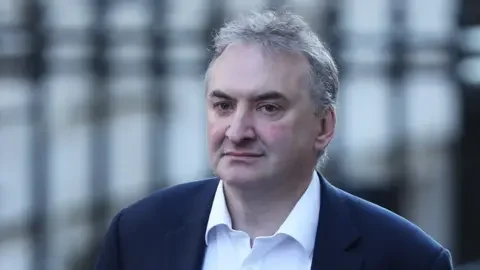
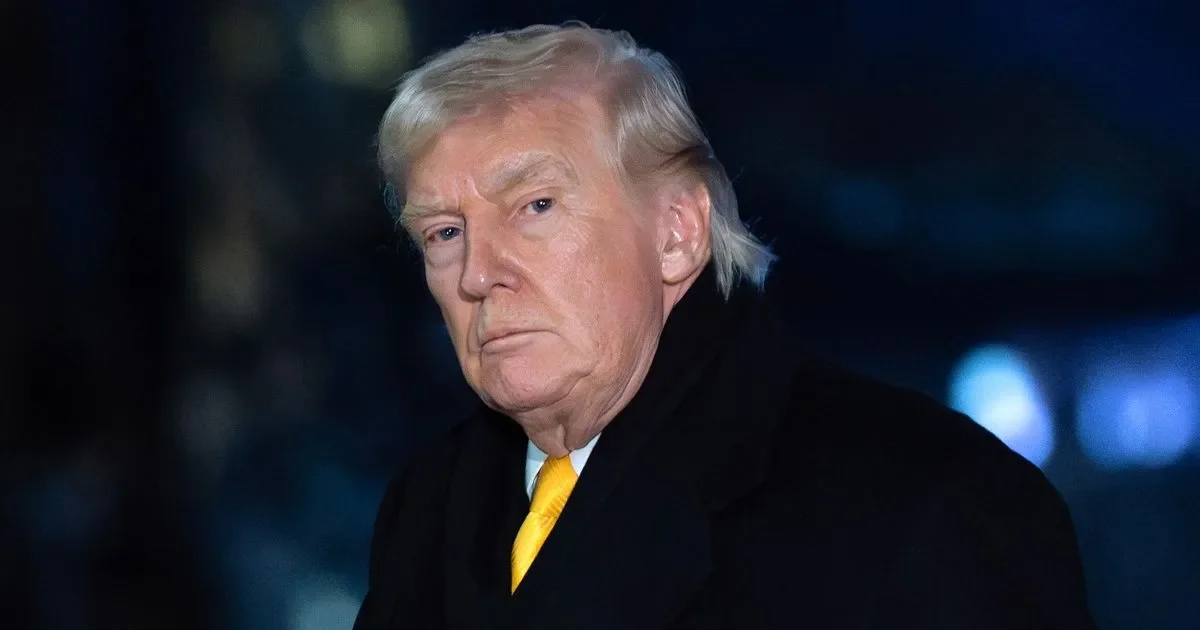
President Donald Trump's recent economic actions, particularly his approach to the Federal Reserve and his imposition of sweeping tariffs, are viewed by many analysts as a high-stakes experiment. These policies, while intended to achieve specific goals, carry significant risks that could impact inflation, economic growth, and consumer prices.
President Donald Trump has made promises to quickly end inflation upon his return to the White House. However, his actions, including challenging the independence of the Federal Reserve and implementing broad tariffs, are seen by some as counterproductive to this goal. These moves have sparked debate among economists and business leaders about their potential effects on the American economy.
Context of the Policies
The timeline and specifics of President Trump's recent economic actions are critical to understanding the current debate.
Federal Reserve Challenge: Trump has taken unprecedented steps to pressure the Federal Reserve, a move that marks a departure from historical norms. While past presidents have sought favorable economic conditions, Trump's direct attempts to influence Fed policy, including exploring the removal of a Federal Reserve governor, represent a new level of presidential engagement with the institution.
Tariff Imposition: A significant shift in economic strategy is evident with the introduction of widespread tariffs on major trading partners such as Mexico, Canada, and China. This marks an escalation from his previous term, indicating a more aggressive stance on international trade. The White House maintains that these tariffs will not harm the economy, but many outside observers express doubt.
Economic Risks and Potential Consequences
The implemented policies carry potential downsides that are the subject of considerable analysis.
Read More: MDMK Wants More Seats to Get Official Recognition
Inflationary Pressures: Tariffs, particularly those on oil, are predicted by some analysts to increase fuel costs, with effects potentially felt across regions like the Great Lakes, Midwest, and Rockies. Economists warn that this could lead to a gradual increase in prices, starting with groceries and extending throughout the economy.
Impact on Economic Growth: Projections from sources like EY suggest that these tariffs could have a tangible negative impact on U.S. GDP.
A 1.5 percentage point drop in U.S. GDP growth is anticipated for 2025.
A further 2.1 percentage point drop is projected for 2026.
Interest Rate Environment: The Federal Reserve's response to inflation is also a key factor. If the Fed maintains high interest rates to control inflation, this could lead to higher borrowing costs for businesses and consumers, compounding the economic pressures.
Retaliatory Measures: The imposition of tariffs by the U.S. is likely to invite retaliatory tariffs from affected countries, creating further disruption to trade flows and potentially increasing costs for American businesses and consumers.
Divergent Perspectives on Fed Independence
The relationship between the President and the Federal Reserve is a focal point of the economic discussion.
Read More: UK Economy Grows Very Slowly at End of 2025
Presidential Pressure: Trump's actions have been characterized as an attempt to influence the Fed's monetary policy. This approach challenges the long-standing norm of Federal Reserve independence, designed to shield monetary policy from short-term political considerations.
Historical Precedents: While Trump's actions are seen as novel, historical instances of presidents seeking to influence economic conditions for political gain are cited. For example, President Nixon is noted by historians for pressuring his appointed Fed chief to lower interest rates to stimulate the economy during his presidency, even though the Fed chief was known as an inflation fighter.
Expert Analysis and Criticisms
Economists and business leaders have voiced concerns regarding the potential repercussions of these policies.
"We’ll see a slow pass-through—first in groceries, then at hardware stores, and eventually across the economy." - [Unnamed Analyst quoted in Article 2]
Read More: Gen Z's Big Test: Can Young Voters Change Bangladesh?
The aggressive stance on tariffs, coupled with the challenges to the Federal Reserve, has drawn criticism from various quarters. This includes a spectrum of experts, from economists to business leaders, and even some within the conservative political sphere.
Conclusion and Implications
President Trump's current economic strategy presents a complex picture with potentially significant ramifications. The interplay between his challenges to the Federal Reserve and his imposition of tariffs creates a unique set of economic pressures.
The direct engagement with the Federal Reserve risks undermining its ability to independently manage inflation, potentially jeopardizing his own promise to lower prices.
The broad application of tariffs, coupled with expected retaliatory actions, could lead to higher consumer prices, disrupt supply chains, and negatively impact overall economic growth.
The economic outlook, as projected by some analyses, suggests a measurable slowdown in GDP growth in the coming years.
Read More: US Debt Growing Fast, Experts Say It's a Problem
The success of this "high-stakes experiment" remains uncertain, with current evidence suggesting a confluence of factors that could lead to increased economic instability.
Sources
CNN Business: Trump is playing with fire by messing with the Fed. Published August 26, 2025.https://edition.cnn.com/2025/08/26/business/trump-fed-lisa-cookContext: This article discusses President Trump's actions and rhetoric concerning the Federal Reserve and its potential impact on inflation and economic policy.
The GCT Chronicle: Playing with Fire? Trump’s Tariff Strategy Risks Higher Prices and Job Losses. Published February 2, 2025.https://www.gtachronicle.com/news/playing-with-fire-trumps-tariff-strategy-risks-higher-prices-and-job-losses/Context: This article focuses on the economic consequences of President Trump's recent tariff policies, including potential impacts on inflation, GDP, and trade.