

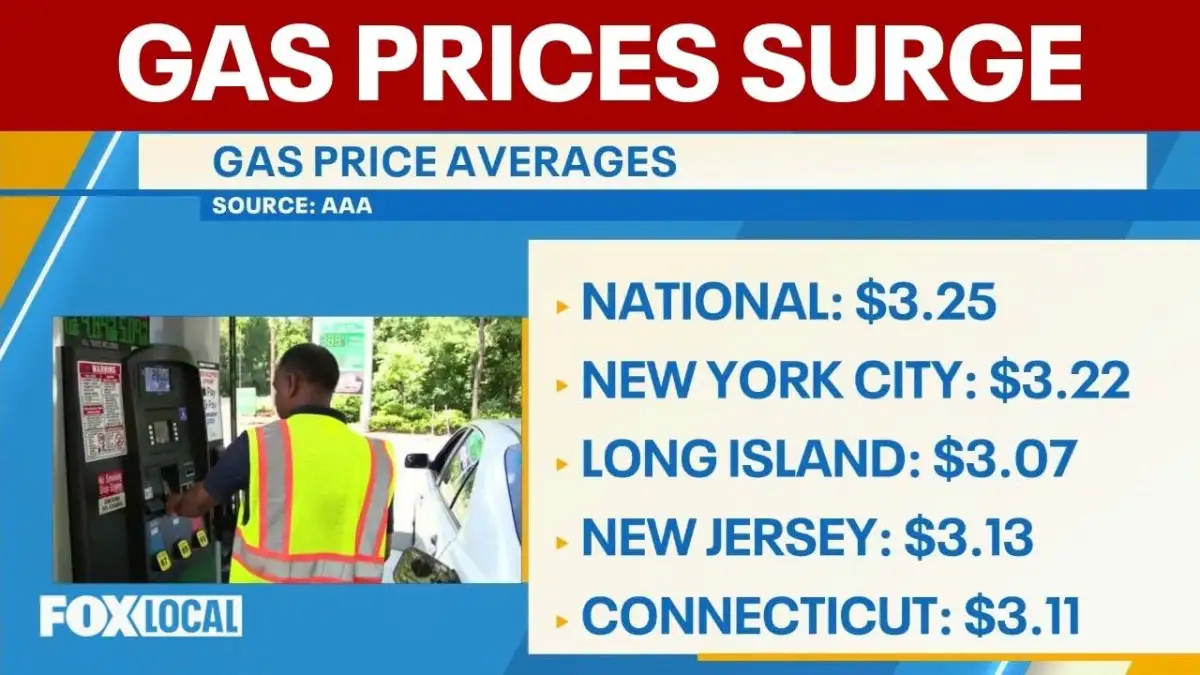
Fuel prices are climbing, with drivers in the Tri-State area noticing a significant jump at the pump. This increase is directly linked to ongoing hostilities in the Middle East, specifically attacks on oil and gas infrastructure and disruptions to major shipping routes. Experts warn that these elevated prices are likely to persist, impacting not only personal transportation but potentially other everyday necessities as well.
The Strait of Hormuz, a critical chokepoint for about one-fifth of global oil supply, has seen no oil shipments since Monday, exacerbating production and supply concerns. This development, following attacks on facilities like Saudi Arabia's largest refinery, has sent shockwaves through the global oil markets, triggering the largest one-day gain in years. The conflict, described as a "U.S.-Israel war with Iran," is seen as the primary catalyst for these price hikes.
Read More: India LPG Prices Rise ₹60 for Homes, ₹115 for Businesses on March 7

Motorists are already feeling the pinch. With summer travel on the horizon, gas prices were already on an upward trajectory. The widening conflict means Americans will spend more on essential travel like commuting to work, running errands, and taking vacations. Some are exploring alternatives, like renting electric vehicles, out of curiosity or necessity due to the rising cost of traditional fuel.
Corporate entities are also bracing for impact. Increased crude oil prices mean higher freight costs, more expensive airline fuel, and elevated distribution expenses. Companies may either see their profit margins shrink or pass these increased costs directly onto consumers, leading to potential price hikes beyond the gas pump.

While precise future price points remain uncertain, analysts suggest that sustained conflict could lead to even steeper increases. Some reports indicate fears of prices potentially surpassing $5 a gallon, though specific predictions vary. It's too early to determine the ultimate peak of these price surges, but the current trajectory is undeniably upward.
Iran, identified as the fourth-largest oil producer in OPEC, has been targeted by U.S. and Israeli forces. This geopolitical situation has immediately impacted crude oil supplies, threatening further price escalation. The volatility is palpable, with fuel prices climbing "fast" and market analysts forecasting further "soaring."

To mitigate the immediate financial strain, organizations like AAA are offering advice. These tips include shopping around for the best prices and utilizing gas station apps or rewards programs that may offer discounts. However, the underlying issue of supply and demand, heavily influenced by international conflict, remains the dominant factor driving the current fuel cost surge.
The recent events mark a significant escalation in tensions, with market analysts warning of prolonged aftershocks. The implications extend beyond mere fuel costs, painting a broader picture of potential economic instability influenced by geopolitical unrest.
