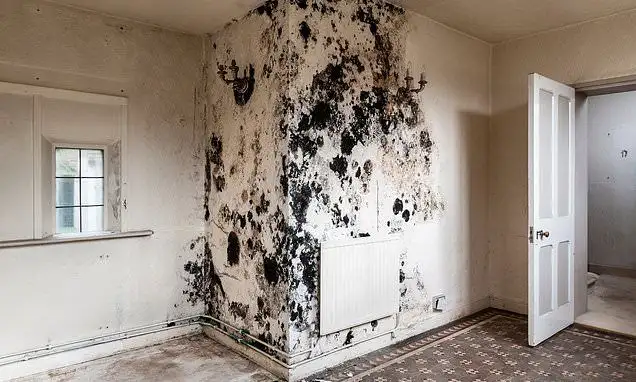
The shadows in our homes are more than just dust. For years, families have battled the creeping menace of mould, often dismissed as a mere nuisance. But new research shines a stark, disturbing light on its insidious impact, particularly on children, suggesting a connection to lifelong respiratory struggles. This isn't just about unsightly stains; it's about the very air our families breathe, the foundation of our health, and the potential for unseen damage that echoes for generations.
We've been told to wipe it away, to bleach it out, to call in the professionals when it gets too much. But what if the solution is more complex, and the problem far deeper than a quick scrub can fix? The whispers about mould's health effects are growing into a chorus, fueled by alarming studies and tragic events. Are we, as a society, finally waking up to the silent epidemic festering in our damp, poorly ventilated homes?
Read More: India IVF Costs And Social Barriers Limit Access In April 2026
A Lingering Legacy: Childhood Mould Exposure and Adult Lung Health
A groundbreaking study from the University of Bristol has sent ripples through the health community, directly linking childhood exposure to mould with diminished lung function in adulthood. This isn't just a temporary irritant; it's a long-term assault on our respiratory systems.
The study’s findings are clear: early life mould encounters can lead to lasting consequences for lung health well into a person’s adult years.
This adds a new, alarming dimension to our understanding of mould, moving it from a cosmetic issue to a significant public health concern with generational implications.
The core takeaway is that the damage done by mould in formative years isn't easily undone, impacting individuals for decades.
Where Does This Silent Invader Lurk?
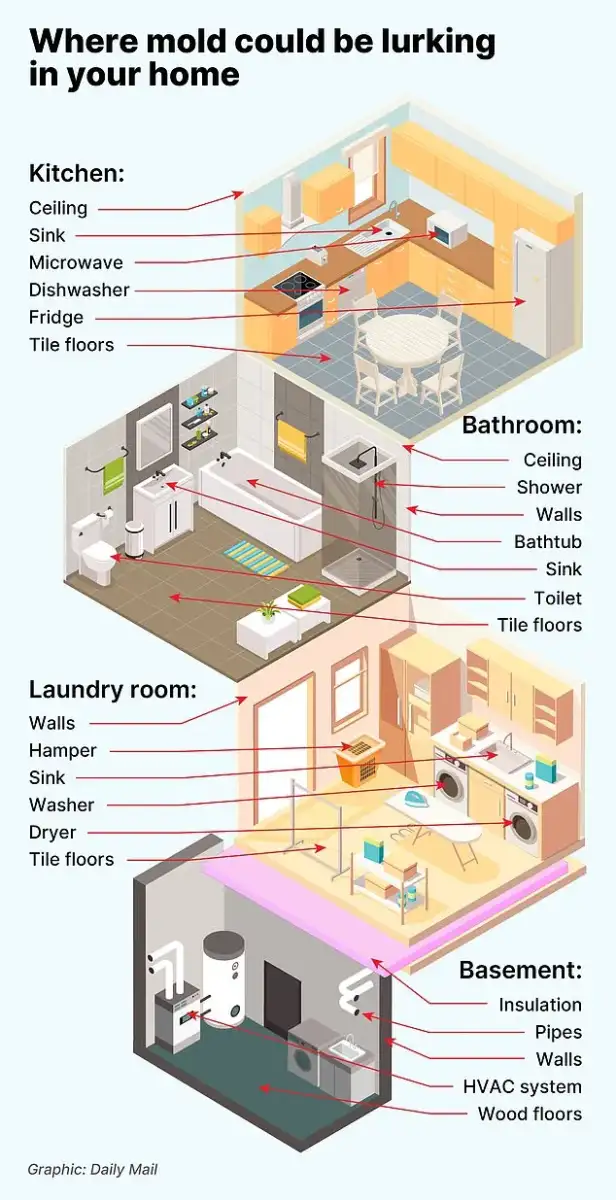
Mould thrives in damp, dark, and poorly ventilated spaces. The usual suspects are familiar, but their presence signifies a deeper issue:
Behind sinks and under dishwashers: These hidden spots are prime breeding grounds due to constant moisture.
Around toilets and in shower stalls: High humidity and water splash create ideal conditions.
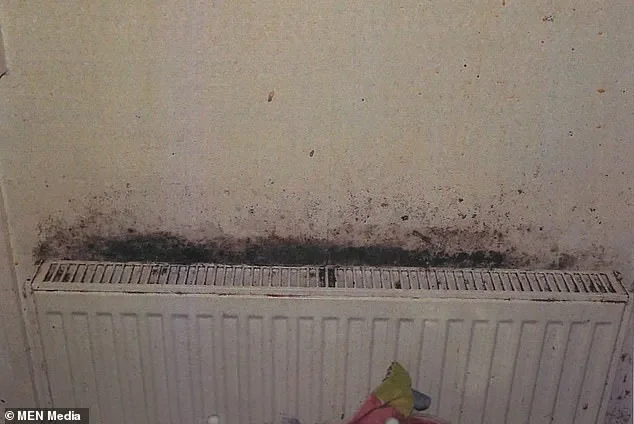
On walls, particularly those that are poorly insulated or experience condensation.
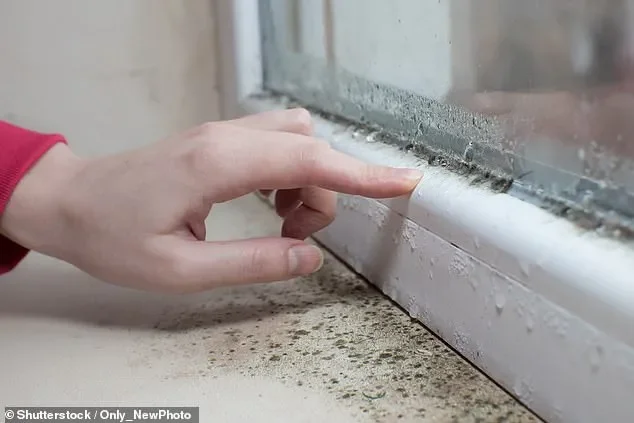
In window frames and ceilings, especially where leaks have occurred.
"If signs of mould appear in your house, Weltz suggests washing the area with water and detergent. Mould then triggers inflammation, damages tissues and attacks vital cells and neurones." (Daily Mail)
While this immediate advice is practical, it begs the question: what is the underlying cause of this persistent dampness? Is it simply a matter of housekeeping, or are our homes fundamentally failing to protect us?
Beyond the Black and White: The Spectrum of Mould Dangers
When we hear "black mould," a sense of dread often follows. However, the reality is more nuanced, and the health risks extend across various types of mould. The crucial factor isn't always the colour, but the presence and extent of the mould itself.
Read More: Georgia Toffolo's Lake Como Trip After Fertility Talks

The term "black mould" is often used loosely. Technically, it refers to species like Stachybotrys chartarum, but many different fungi can appear black. (Modern Sciences)
Regardless of type, mould releases spores and volatile organic compounds (VOCs) that can cause a cascade of health issues.
The danger lies not just in "black" mould, but in any significant mould infestation that contaminates indoor air.
A Tragic Wake-Up Call: The Case of Awaab Ishak
The tragic death of Awaab Ishak, a two-year-old boy who died in 2020 from respiratory disease caused by mould in his family's flat, served as a stark and horrific catalyst for change. His suffering and death brought the issue of damp and mould in housing to the forefront of public consciousness.
Awaab's case highlighted the severe, potentially fatal consequences of prolonged mould exposure, especially in vulnerable children.
His parents had repeatedly complained about the mould, but their concerns were not adequately addressed, leading to devastating outcomes.
This incident was a critical turning point, demanding stricter regulations and greater accountability for landlords and housing providers.
"Campaigners called for stricter measures [after Awaab Ishak's death]." (BBC News)
This case underscores the urgency: are we honouring Awaab's memory by implementing lasting solutions, or are we just reacting to a crisis?
The Health Toll: From Allergies to Chronic Illness
Mould's impact on health is far-reaching, affecting individuals with and without pre-existing conditions. The symptoms can be varied and often mimic other ailments, making diagnosis challenging.
Respiratory problems are the most common, including coughing, wheezing, shortness of breath, and chest tightness.
Asthma sufferers are particularly vulnerable, with mould acting as a potent trigger for attacks.
Allergies can develop or worsen due to mould exposure, leading to symptoms like sneezing, itchy eyes, and skin rashes.
Beyond immediate reactions, prolonged exposure is linked to infections, immune system issues, and even mental health problems. (Timesnownews)
| Symptom Category | Common Manifestations | Underlying Mechanism |
|---|---|---|
| Respiratory | Coughing, wheezing, shortness of breath, asthma attacks | Inflammation, irritation of airways, allergic response |
| Allergic | Sneezing, runny nose, itchy eyes, skin rashes | Immune system overreaction to mould spores |
| Infectious | Airway infections, fungal infections | Direct invasion by mould, compromised immune function |
| Neurological/Mental | Headaches, fatigue, difficulty concentrating, mood changes | Exposure to mycotoxins (though evidence varies) |
"People living with mould are more likely to suffer from respiratory illnesses, infections, allergies or asthma." (BBC News)
This raises a critical question: given this broad spectrum of harm, are our current diagnostic tools and public health messaging sufficient to identify and address mould-related illnesses effectively?
Read More: Woman's face went numb: Stroke symptoms missed as migraine in London
The Dilemma of Solutions: DIY vs. Professional Remediation
When mould appears, the instinct is often to tackle it head-on. However, the approach to removal is crucial to prevent further spread and exposure.
Simple cleaning with water and detergent might suffice for minor, surface-level mould. (Daily Mail)
However, for larger or more deeply ingrained infestations, professional intervention is often necessary.
Attempting to remove extensive mould without proper protective gear can be dangerous, as it disperses spores into the air. Wearing a mask is recommended even for DIY attempts. (Manchester Evening News)
When Do We Call in the Experts?
The decision to hire a professional mould remediation service hinges on the scale and nature of the problem.
Underlying causes must be addressed. Simply cleaning mould without fixing the source of dampness (e.g., leaks, poor ventilation, condensation) is a futile exercise. (Harvard Health)
Professionals can identify the extent of the problem, test for different mould species, and implement containment and removal strategies that minimise health risks.
This is particularly vital for those with compromised immune systems, respiratory conditions, or young children in the household.
Ignoring the root cause means the mould will return, perpetuating the cycle of exposure and potential illness.
The Policy Gap: Are We Doing Enough for Tenants?
The burden of mould often falls disproportionately on those in rental properties, where control over living conditions is limited. The UK government and housing charities have published guidance, but are these measures translating into safe, healthy homes for everyone?
Government guidance acknowledges the health risks of damp and mould in rented housing, indicating a governmental awareness of the issue. (Gov.uk)
Organisations like Shelter provide vital information to tenants on how to approach damp and mould issues with landlords.
However, the pace of regulatory change and enforcement has been a point of contention, especially in the wake of Awaab Ishak's death.
The question remains: is policy evolving fast enough to protect vulnerable populations from the health hazards of substandard housing?
Landlord Responsibility and Tenant Rights
The debate over mould often centres on the responsibility of private landlords.
While some regulations are in place, campaigners have pushed for stricter measures to ensure landlords are held accountable for maintaining safe and healthy living environments.
The potential for mental health impacts from living in damp and mouldy conditions adds another layer to the tenant's plight. (Gov.uk)
Is the current legal framework robust enough to compel landlords to act proactively, or does it rely too heavily on tenants navigating complex complaint procedures?
Conclusion: A Call for Deeper Inspection and Action
The accumulating evidence is undeniable: mould in our homes is not a minor inconvenience; it is a significant health hazard with the potential for long-term, debilitating consequences, particularly for children. The University of Bristol's study, coupled with the tragic lessons learned from cases like Awaab Ishak's, demands a fundamental shift in how we view and address indoor air quality.
Read More: Amazon Land Use Changes Cause Disease Clusters in Brazil
We need a multi-pronged approach that includes:
Public awareness campaigns that go beyond simple cleaning advice to educate about the deep-seated causes of mould.
Stricter building regulations and enforcement to ensure new and existing homes are designed and maintained to prevent dampness.
Enhanced support and rights for tenants to ensure prompt and effective remediation by landlords.
Further research into the long-term effects of mycotoxins and the full spectrum of mould-related illnesses.
The current reactive approach, focused on superficial fixes, is insufficient. We must transition to a proactive strategy that prioritises the health of our citizens, starting with the very foundation of our homes.
The question we must collectively ask ourselves is: are we willing to invest in healthy homes, or will we continue to pay the price in the form of chronic illnesses and compromised lives for decades to come? The time for passive observation is over; it's time for decisive action.
Sources:
Daily Mail: https://www.dailymail.co.uk/health/article-15531905/The-locations-home-riddled-toxic-mould-exposure-child-cause-lung-issues-way-adulthood.html
BBC News: https://www.bbc.co.uk/news/uk-63642856
Harvard Health: https://www.health.harvard.edu/staying-healthy/mold-in-the-home-identifying-and-treating-the-issue-to-prevent-health-problems
Manchester Evening News: https://www.manchestereveningnews.co.uk/news/health/expert-reveals-hidden-health-dangers-of-mould-in-your-home-and-how-to-safely-get-rid-of-it
Gov.uk: https://www.gov.uk/government/publications/damp-and-mould-understanding-and-addressing-the-health-risks-for-rented-housing-providers/understanding-and-addressing-the-health-risks-of-damp-and-mould-in-the-home—2
Modern Sciences: https://modernsciences.org/black-mould-health-risks-toxicology-myths-indoor-air-quality-mycotoxins-june-2025/
Timesnownews: https://www.timesnownews.com/health/5-warning-signs-the-mould-in-your-home-is-making-you-sick-article-153065450
First Response Cleaning: https://www.firstresponsecleaning.ca/the-health-risks-of-untreated-mould-in-your-home-explained/
The Independent: https://www.independent.co.uk/life-style/health-and-families/black-mould-at-home-health-b2765964.html