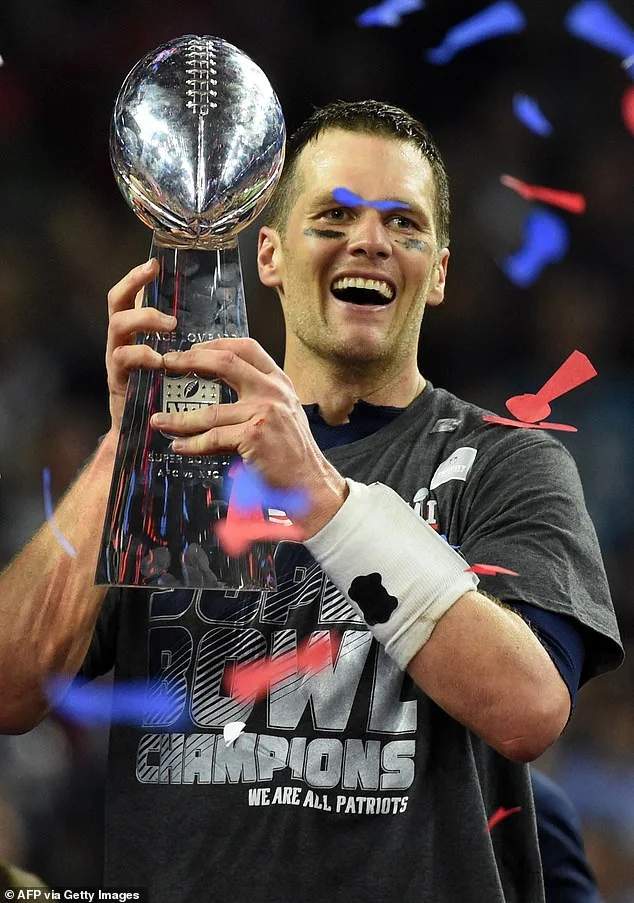
The legendary quarterback's sudden about-face on supporting the Patriots in Super Bowl LX has sent shockwaves through the NFL, igniting a firestorm among former teammates and loyal fans. What began as a seemingly innocuous comment about not having a "dog in the fight" has escalated into a full-blown controversy, forcing Brady to seemingly backtrack and reaffirm his support for his former team owner, Robert Kraft. But beneath the surface of this public relations maneuver, crucial questions linger about Brady's true allegiances and the deeper implications for his legacy.
The Original Statement and the Backlash
It all started when Tom Brady, the architect of the New England Patriots' dynasty, stated he wouldn't be rooting for his former team in Super Bowl LX against the Seattle Seahawks. This declaration, made on a podcast, was stark and unapologetic: "I don't have a dog in the fight." The phrasing suggested a deliberate detachment from the current iteration of the Patriots, even as they stood on the precipice of winning their seventh Super Bowl – a mark Brady himself is synonymous with.
Read More: Saints May Pay Big Money for Guard, Lose Key Player
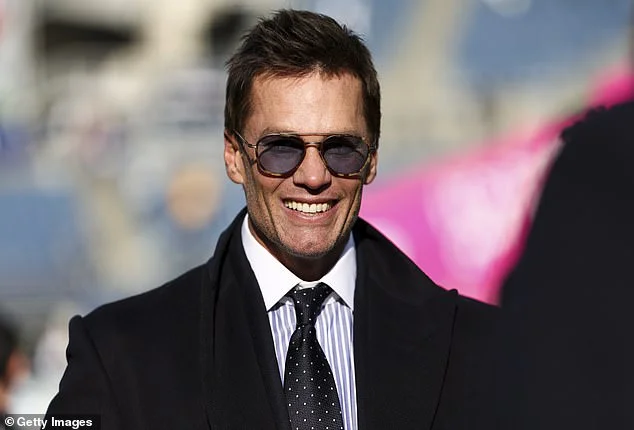
The reaction was swift and fierce.
Former Teammates Unleash: A chorus of Patriots greats, including Super Bowl champions like Asante Samuel, Rob Ninkovich, and Vince Wilfork, publicly voiced their disappointment and even anger. They questioned Brady's stance, with some stating emphatically, "You better believe you got a dog in the fight." This collective outcry highlighted a perceived betrayal of the brotherhood and the shared history forged through years of intense competition.
Fan Disappointment: Patriots Nation, a fanbase deeply loyal to Brady and the team, also expressed their disillusionment. For years, Brady was the face of the franchise, the embodiment of their success. His apparent neutrality was seen as a snub, a failure to acknowledge the immense debt the team and its supporters felt he owed them.
Media Scrutiny: The narrative quickly shifted from a quiet personal stance to a public relations crisis. Media outlets seized on the discord, dissecting Brady's every word and probing for underlying reasons.
Read More: Italian Athletes Do Well at Home in Winter Olympics
"Brady you can't be the only one winning Super Bowls. This ain't nothing new to him." - A former Patriots player's candid remark, hinting at a pattern of detachment.
Unpacking Brady's "Neutrality" and Its Fallout
Brady's initial claim of not having a "dog in the fight" was not merely a statement of personal preference; it was a declaration that carried significant weight given his unparalleled success with the Patriots.
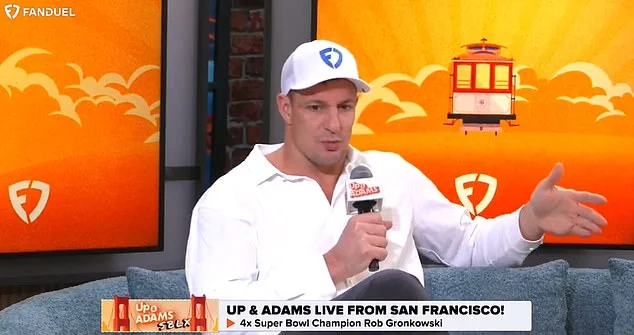
The "New Era" Argument: Brady himself, in his initial comments, alluded to a "new era" of Patriots football. He acknowledged that the current team comprised "new individuals" and that he had spent "20 seasons playing for the New England Patriots." This was seen by some as a way to distance himself from a team he no longer directly influenced.
Conflicting Interests? The underlying whispers grew louder: Was Brady's neutrality a consequence of his other professional ventures? Specifically, his role as a minority owner of the Las Vegas Raiders and his upcoming broadcasting duties, including taking over the Super Bowl halftime stage, have been cited as potential conflicts of interest.
Raiders Ownership: Owning a stake in a rival NFL franchise, even a minority one, raises ethical questions about endorsing or celebrating the success of another team, especially in a high-profile championship game. This is a detail that former players and fans couldn't ignore.
Broadcasting Commitments: As a future broadcaster, maintaining a seemingly impartial stance could be perceived as a professional necessity. However, for a franchise icon, this objectivity felt jarring to many.
Read More: Cardinals Not Favored for Super Bowl, Quarterback Future Unclear
"It's disappointing because the Patriot Nation has always been good to Brady, and he has done a great job for us." - A fan's perspective highlighting the perceived disconnect.
The Sudden U-Turn: A Calculated Move?
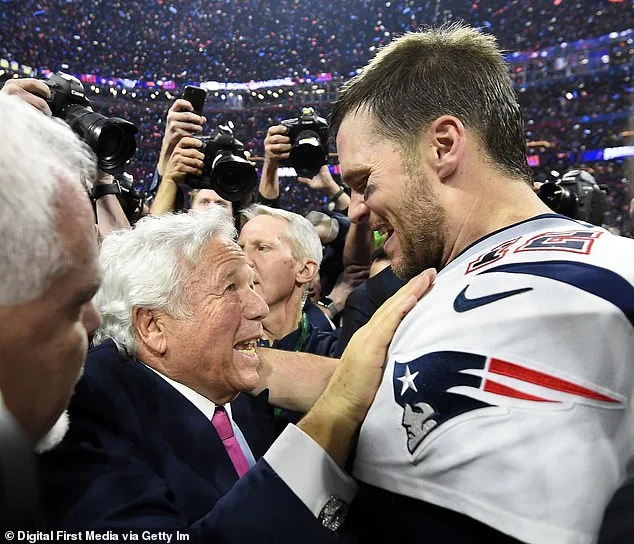
Just days after the storm erupted, Tom Brady appeared to reverse his position. Following a pre-Super Bowl event with Robert Kraft, Brady posted a photo on his social media with the Patriots owner, accompanied by the caption: "You know I got your back RKK - Get that 7th ring so we can match."
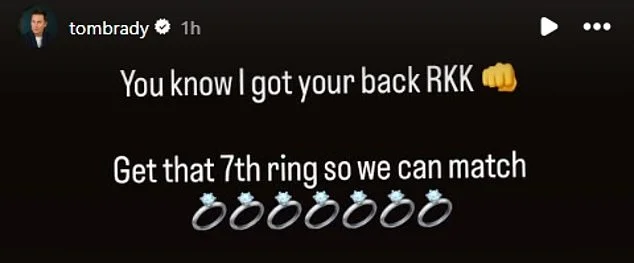
This public declaration was a stark contrast to his earlier stance. It suggests that the backlash, whether from former teammates, fans, or perhaps even pressure from the league or Kraft himself, had a tangible effect.
Damage Control: The most straightforward interpretation is that this was a strategic move to quell the controversy and mend fences. The immediate impact of his "neutral" stance was overwhelmingly negative, forcing him to address it head-on.
"Rooting for Old Pals": Brady's revised statement also included a clarification that while he wasn't directly cheering for the Patriots, he was "rooting for his old pals." This attempt to find a middle ground, however, still left many questioning the sincerity and the true depth of his allegiance.
Read More: Lindsey Vonn Hurt in Ski Race Crash
| Original Stance | Revised Stance | Implication |
|---|---|---|
| "I don't have a dog in the fight." | "You know I got your back RKK - Get that 7th ring." | From detachment to support, fueled by public pressure. |
| Neutrality | Allegiance to Kraft and a call for a 7th ring. | Shift from objective observer to participant in the Patriots' narrative. |
| Focus on "new era" | Invoking shared history and personal connection. | Acknowledging the past and its impact on his present. |
The Lingering Questions: What Does It All Mean?
Despite Brady's apparent backtrack, the incident leaves a trail of unanswered questions that gnaw at the fabric of his legacy.
Was the initial statement genuine, or a calculated misstep? If it was genuine, what prompted such a drastic shift in public messaging? Was it pure PR, or did it reveal a deeper internal conflict?
How will this affect his relationships with former teammates? The sting of his initial comments, especially from those who shared locker rooms and battled on the field with him, is unlikely to disappear overnight.
Does his minority ownership of the Raiders truly create an insurmountable conflict, or was it an excuse? If it's a genuine conflict, it raises serious questions about the ethics of his various NFL affiliations.
Is this a sign of a man trying to please everyone, and will it ultimately dilute his authenticity? His efforts to remain on good terms with the Patriots organization, the Raiders, and as a future broadcaster are commendable, but the Super Bowl controversy suggests a struggle to balance these competing demands.
What does this say about loyalty in the modern NFL, even for its greatest legends? In an era of player movement and diversified business interests, is the concept of unwavering team loyalty becoming obsolete, even for figures as iconic as Tom Brady?
The Verdict on Brady's Legacy
Tom Brady's post-playing career has been as closely watched as his time on the field. This Super Bowl episode, however, adds a layer of complexity to his narrative. While his unparalleled success with the Patriots is etched in history, his recent public stance and subsequent retraction highlight the challenges of navigating a multi-faceted NFL career. The incident serves as a stark reminder that even for legends, the arena of public opinion and perceived loyalty remains a battlefield. The question now is whether this episode will be a mere footnote or a significant turning point in how his extraordinary legacy is ultimately judged.
Read More: Commanders Hire New Coaches to Change Offense and Defense
Sources:
Daily Mail: https://www.dailymail.co.uk/sport/nfl/article-15537243/tom-brady-patriots-super-bowl-robert-kraft.html
ESPN: https://www.espn.com/nfl/story//id/47839224/tom-brady-super-bowl-stance-called-former-patriots
CBS News Boston: https://www.cbsnews.com/boston/news/patriots-tom-brady-super-bowl-fans-teammates/
Los Angeles Times: https://www.latimes.com/sports/story/2026-02-06/tom-brady-super-bowl-2026-dog-in-fight-patriots-seahawks-gronkowski
Sporting News: https://www.sportingnews.com/us/nfl/new-england-patriots/news/why-tom-brady-admitted-isnt-rooting-patriots-super-bowl-60/1626f88c146ddfe4fe03e238
CBS Sports: https://www.cbssports.com/nfl/news/super-bowl-2026-tom-brady-wont-root-for-patriots-vs-seahawks/
Sports Illustrated: https://www.si.com/nfl/super-bowl/tom-brady-cowardly-not-supporting-patriots-reaction