


Central agencies are being called upon to investigate significant price hikes and alleged adulteration in ghee procured by the Tirumala Tirupati Devasthanams (TTD), as revelations expose a complex web of suspect suppliers and potential financial misconduct. Reports indicate a substantial escalation in ghee costs, from ₹475 to ₹716 per kilogram, since late 2024, prompting demands for external scrutiny beyond local investigations.
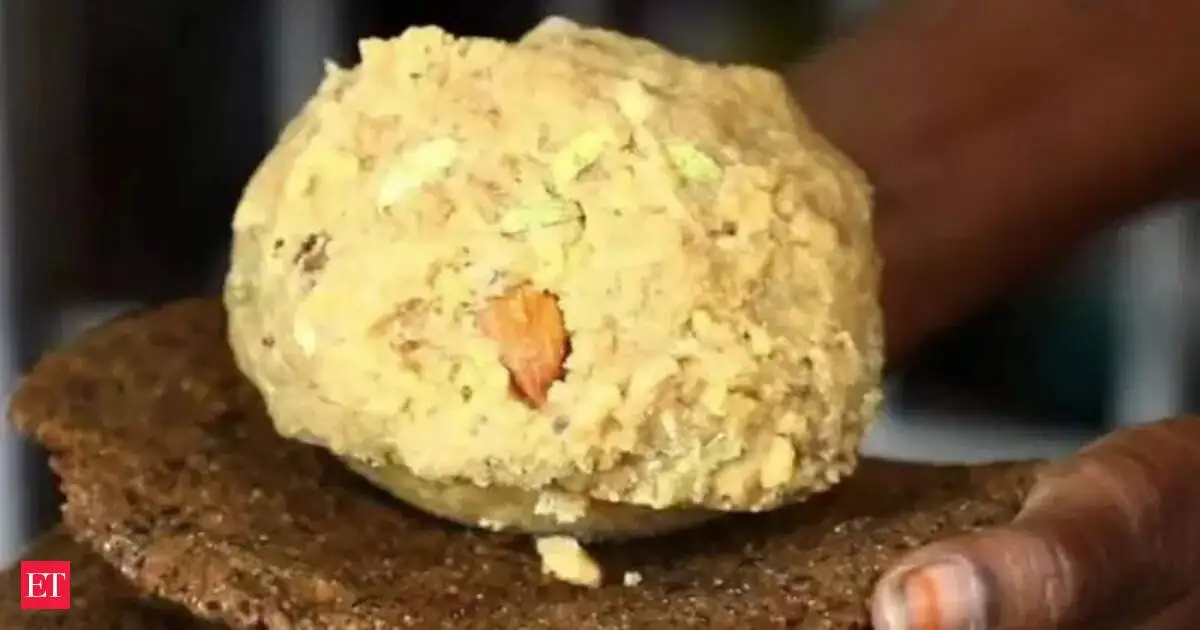
Allegations center on the supply of synthetic ghee, reportedly manufactured without dairy ingredients and incorporating palm oil, kernel oil, and chemical additives to mimic the properties of pure ghee. This allegedly occurred over a period involving the procurement of millions of kilograms of the adulterated product. The scale of the issue is staggering, with claims that approximately 6.8 million kg of "synthetic ghee" was supplied without milk, and that nearly 20.01 million laddus were prepared using such adulterated ghee. Investigations have named several dairy firms, including AR Dairy, Vaishnavi Dairy, and Bhole Baba Dairy, as involved parties, with accusations of document manipulation and the use of industrial chemicals to bypass quality checks.
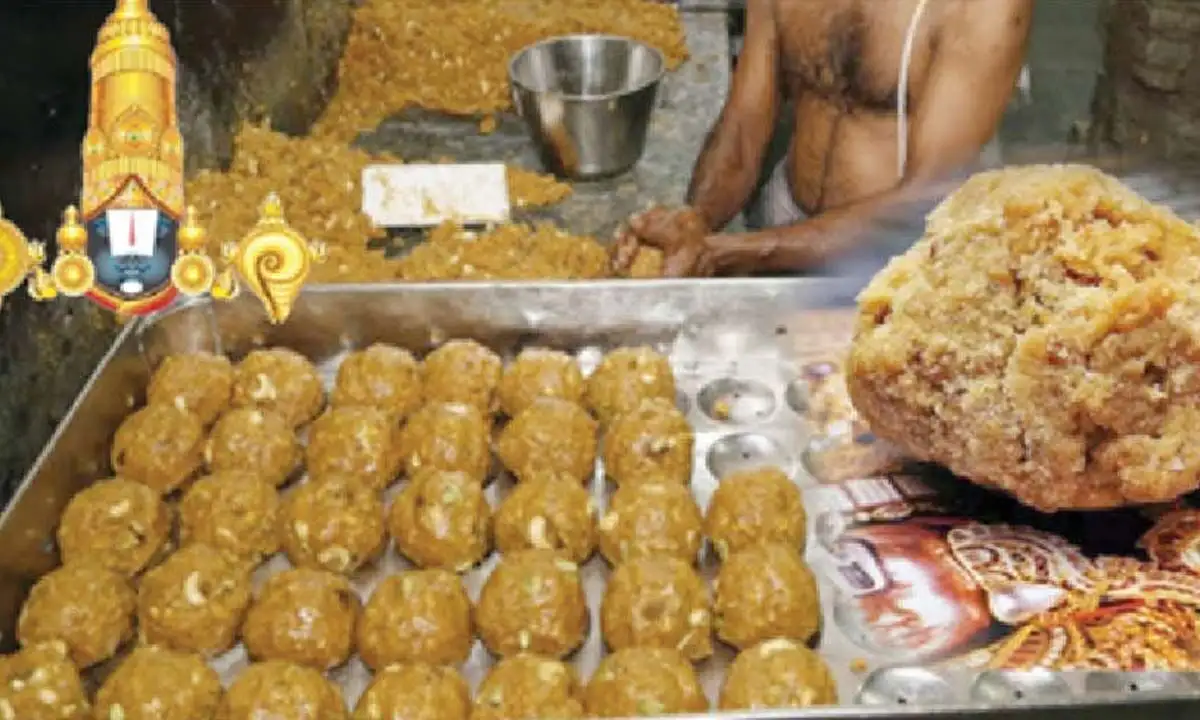
Further complicating the matter are claims that the same batches of ghee, once found to be substandard, were allegedly reprocessed, relabeled, and supplied back to the TTD. The financial implications are also under scrutiny, with figures around ₹250 crore and ₹234 crore being cited in relation to the alleged scam.
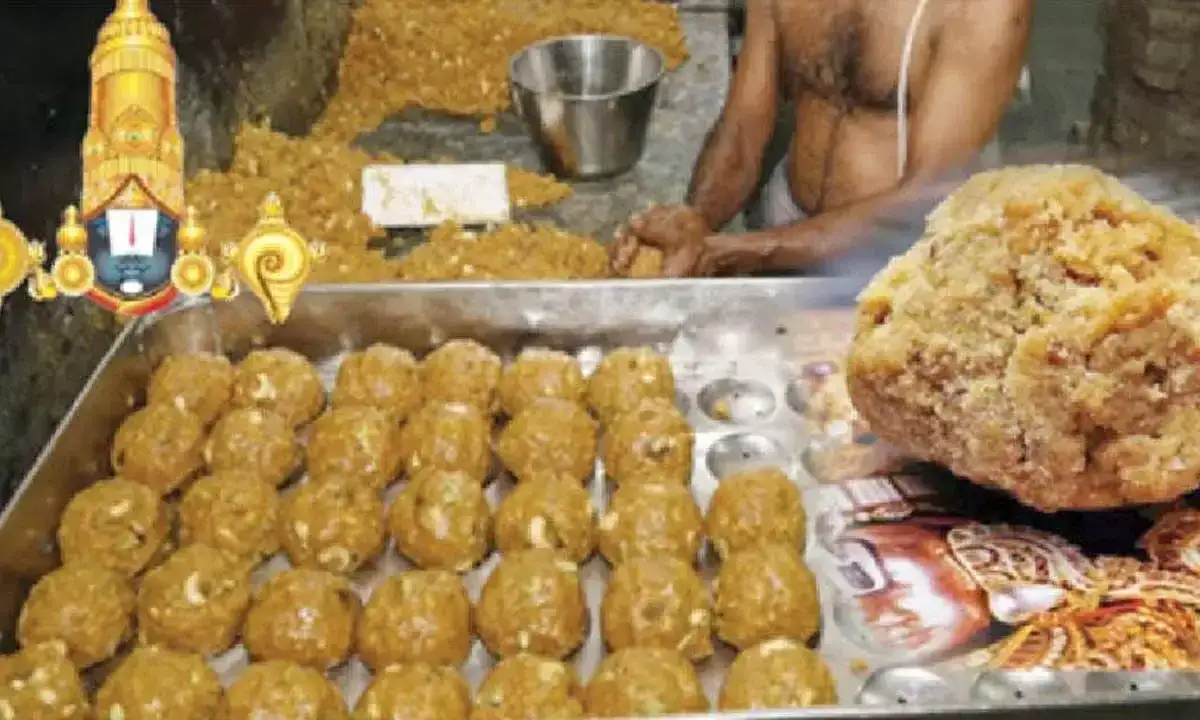
"Central agencies should probe the hike in price of ghee being procured by TTD," stated Sajjala, implicitly critiquing existing inquiry mechanisms. He asserted that a one-man commission was a "diversionary tactic" meant to target political adversaries.
This situation has drawn attention from various political figures. Visakhapatnam North MLA Vishnu Kumar Raju has called for a state-wide investigation, questioning the limited focus on Tirupati alone and advocating for transparency across all temples. He recalled admissions of ghee adulteration during the previous YSRCP government. N Chandrababu Naidu has also raised these findings in the Assembly, detailing information from SIT and CBI reports, including the presence of animal fat as identified by the National Dairy Development Board.
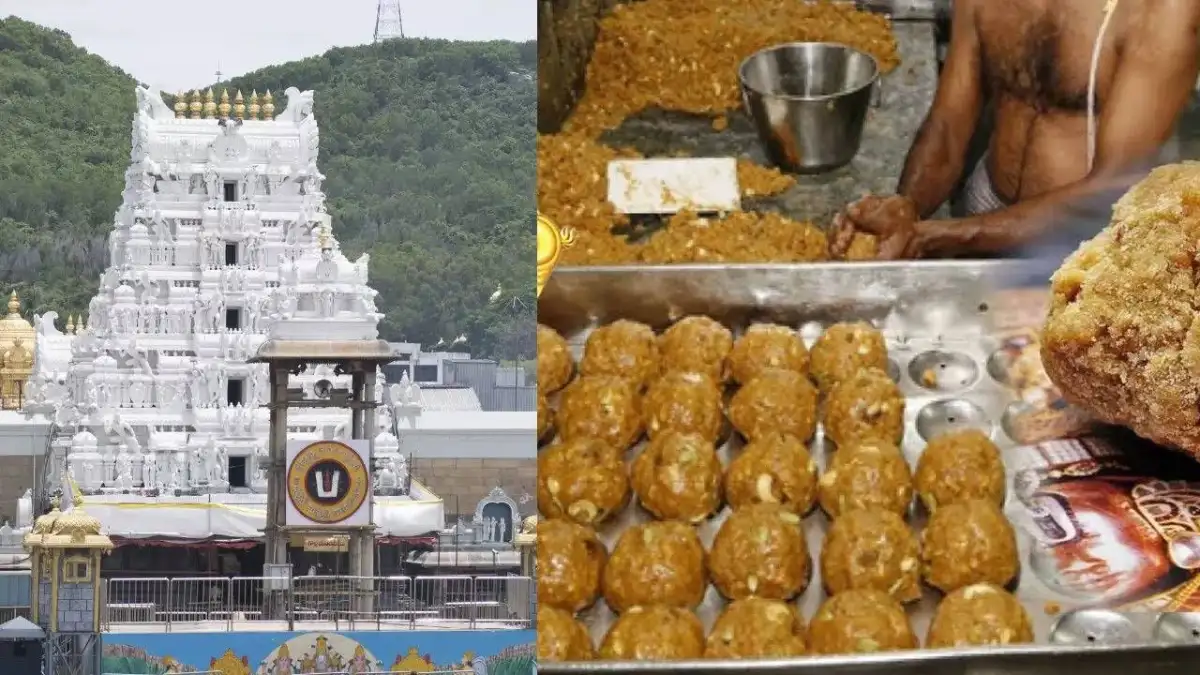
The CBI-led Special Investigation Team (SIT) has reportedly filed its final chargesheet, concluding a lengthy probe. The investigation has implicated 36 accused, encompassing suppliers, intermediaries, and TTD officials, highlighting alleged systemic failures in procurement and quality control processes. The role of external experts in providing favorable inspection reports to facilitate continued contracts has also been brought to light. In response to these ongoing revelations, the TTD has issued warnings to suppliers, emphasizing the necessity of adhering to strict quality standards.
The investigation reportedly intensified following the arrest of an individual alleged to have supplied industrial chemicals, including monodiglycerides and acetic acid ester, to one of the implicated dairies. Investigators found this unit to be a purported "fake desi ghee manufacturing setup" operating with falsified records of milk procurement and payments.
The reported supply chain involved the use of artificial flavors and chemical compounds to replicate sensory characteristics. Certain samples allegedly contained traces of prohibited animal fats, some of which were purportedly reintroduced after initial rejection. While newer procurement protocols now mandate Food Safety and Standards Authority of India (FSSAI) certification for ingredients, the past irregularities remain a significant point of contention.