

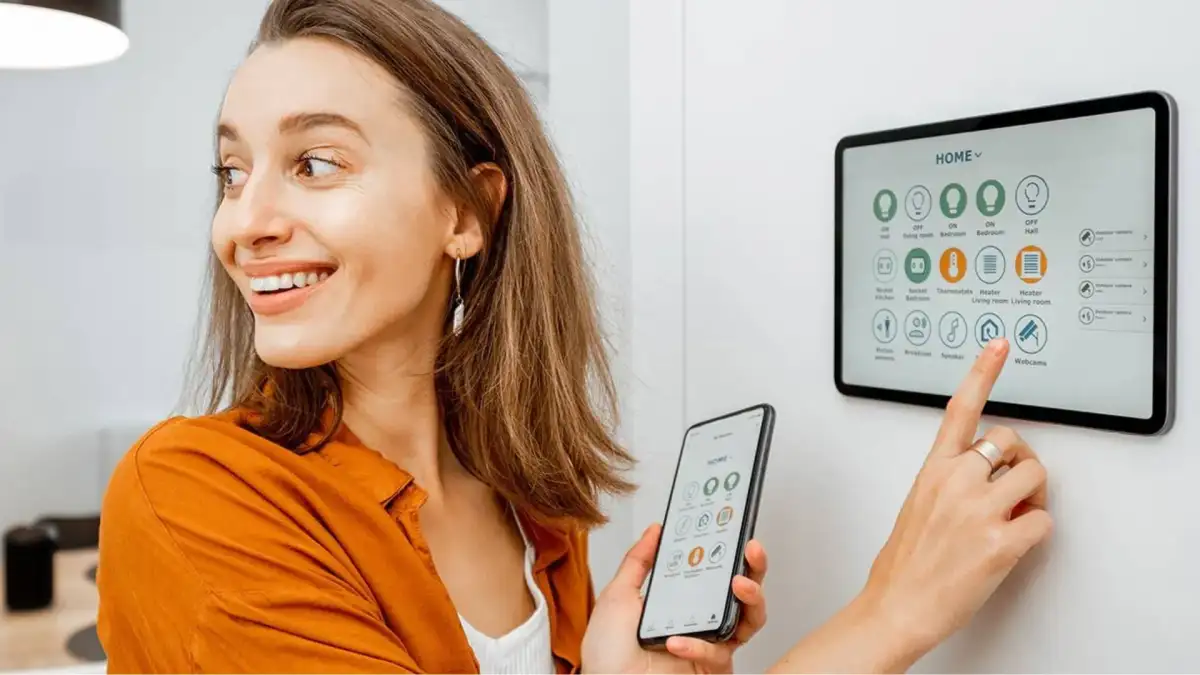
The lines between our digital workspaces and our connected homes are blurring at an alarming pace. We're constantly told that technology should simplify our lives, yet we're drowning in a sea of single-purpose devices. Now, a new contender has emerged, promising to merge our keyboard-based productivity with seamless smart home control: the ThirdReality MK1 Magic Keyboard. But is this a revolutionary step forward, or merely another peculiar experiment in the ever-expanding, often perplexing, universe of smart home gadgets? This investigative report dives deep.
The Promise of Integrated Control
In an era where smart home platforms like Apple Home, Google Home, Amazon Alexa, Samsung SmartThings, and the open-source champion Home Assistant are vying for our attention, the idea of consolidating control is undeniably appealing. The ThirdReality MK1 Magic Keyboard aims to be that consolidation point, specifically for those who spend significant time at their desks. The core proposition is simple: twelve dedicated buttons on a keyboard, designed to trigger smart home actions without requiring a glance at a phone, a web browser, or the activation of a voice assistant.
Read More: Chrome mimeHandler API lets extensions handle file types
"Looking to easily control your smart home from your desk, but already have a keyboard you love?" – How-To Geek
This offers a compelling alternative for users who value tactile, immediate control and perhaps find voice commands too intrusive or unreliable in certain environments. The promise is to weave smart home functionality directly into the fabric of our daily digital interactions, potentially saving precious seconds and reducing friction. But as we’ve seen before, the execution of such ambitious integrations often falls short.
A Brief History of Smart Home Oddities
The smart home landscape is littered with devices that have, at best, raised eyebrows, and at worst, ended up as expensive paperweights. Before we get too excited about the ThirdReality MK1, it’s crucial to understand the broader context of "bizarre" and "innovative" in this space.
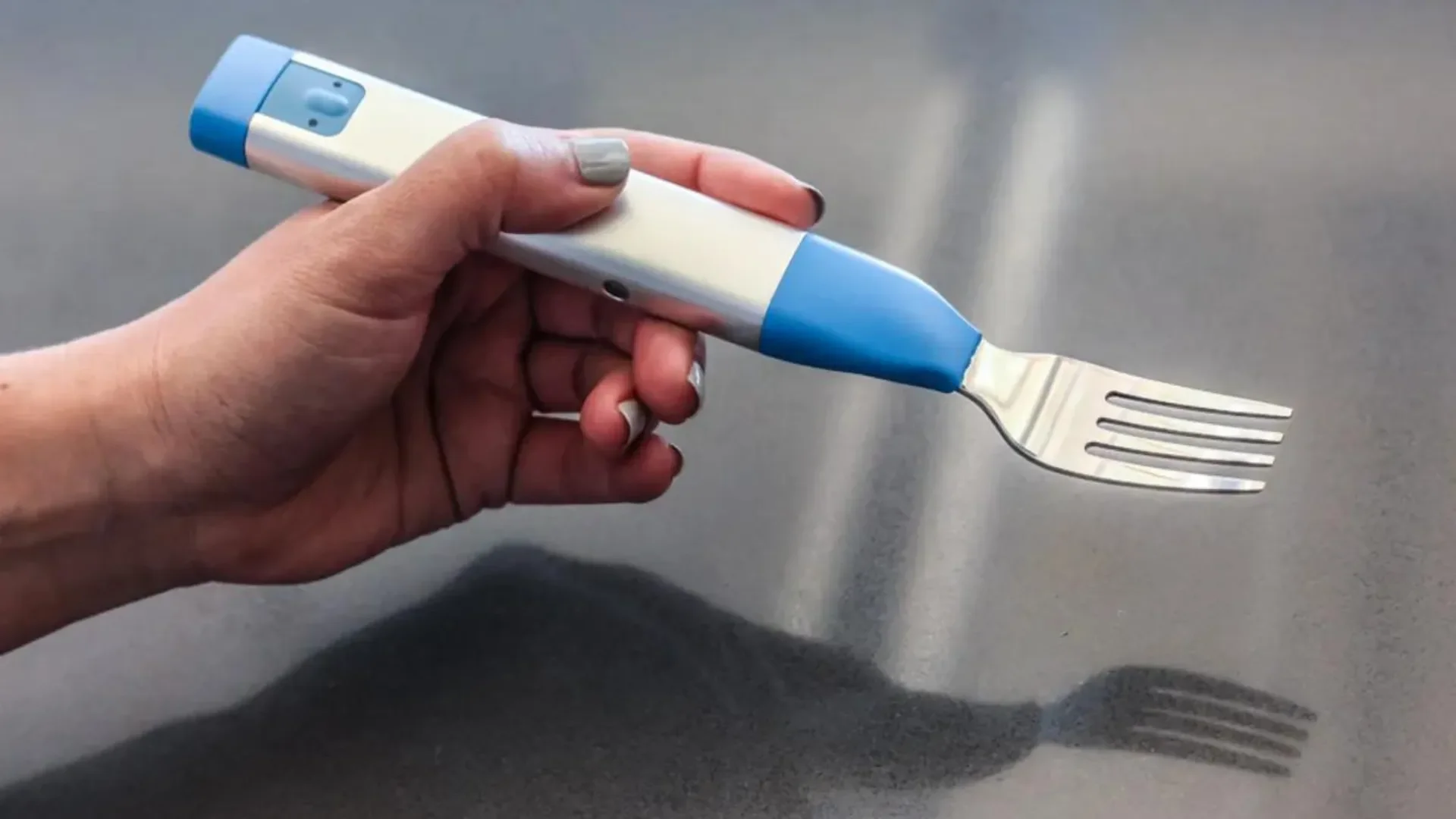
The Quest for the "Essential" Smart Device: For years, the industry has churned out smart versions of everything. We've seen smart forks, smart forks, smart forks (yes, that's not a typo, some have tried to make smart forks), and even smart toilet seats. While some, like smart thermostats, have proven genuinely useful, many others have struggled to justify their existence beyond novelty.
Past "Weirdness" and Unfulfilled Potential:
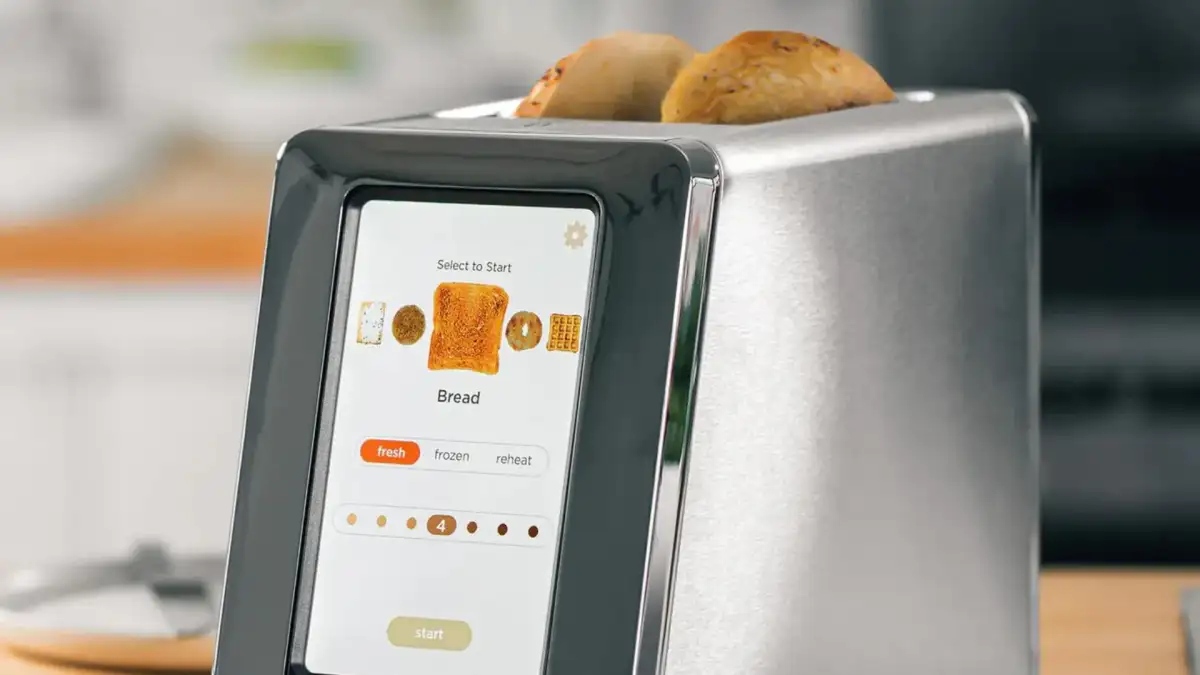
Smart Toasters: Devices like the "Revolution InstaGlo Smart Toaster" emerged, promising perfect toast via app control. While a fun idea, does the average person need app-controlled toast? (Source: T3)
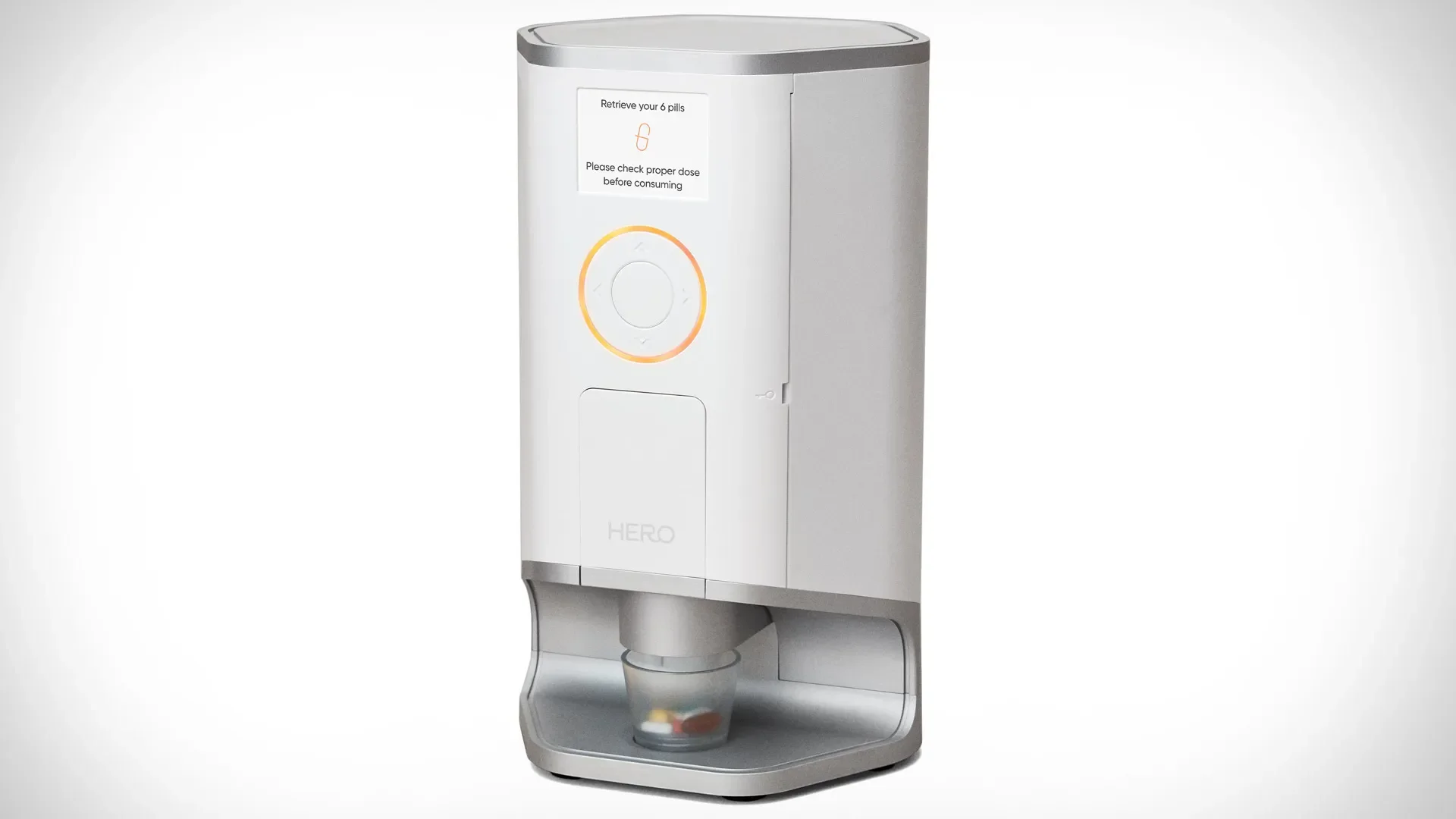
Medication Reminders: The "Hero smart dispenser" is designed to combat forgetfulness, a noble goal. Yet, is a dedicated smart dispenser truly the most effective or user-friendly solution for medication management? (Source: T3)
The "Just Because" Gadget: The sheer volume of "bizarre smart home devices" that emerge periodically suggests a frantic search for the next big thing, often leading to products that cater to incredibly niche problems or simply offer a technologically enhanced version of a mundane task. (Source: T3)
These past incidents highlight a critical pattern: the smart home market is rife with products that prioritize technological integration over genuine user need or elegant problem-solving. The ThirdReality MK1 now faces the same gauntlet.
Read More: SwitchBot Lock Vision Pro uses face and palm scan for doors
Decoding the "Matter" Integration
The ThirdReality MK1 Magic Keyboard boasts integration with Matter, the new connectivity standard aiming to unify the smart home. This is a significant detail. Matter's promise is interoperability – a single app to control all your Matter-certified devices, regardless of the brand or ecosystem.
What is Matter?
A new open-source standard developed by the Connectivity Standards Alliance (CSA), backed by giants like Apple, Google, Amazon, Samsung, and many others.
Aims to simplify smart home setup and operation, allowing devices from different manufacturers to work together seamlessly.
Relies on IP-based network technologies like Wi-Fi and Thread, and uses Bluetooth LE for commissioning.
Why is Matter Important for this Keyboard?
It means the keyboard should be compatible with any Matter-compatible hub or platform.
This theoretically extends its usability beyond a single ecosystem, making it a more attractive prospect.
However, the reality of Matter adoption has been a slow burn. Early Matter devices have faced compatibility hiccups and sometimes complex setup processes.
The core question remains: will the keyboard's Matter integration be a smooth gateway to control, or another point of potential frustration in a still-developing ecosystem?
Functionality vs. Form Factor: A Critical Examination
The ThirdReality MK1 presents a fascinating dichotomy. On one hand, it attempts to solve a real user pain point: the desire for desk-bound smart home control. On the other, it raises fundamental questions about product design and market necessity.
The 12 Programmable Buttons: This is the heart of the device. Users can map these buttons to trigger specific actions. Imagine:
A "Good Morning" button to turn on lights and adjust the thermostat.
A "Focus Mode" button to dim desk lamps and silence notifications.
A "Movie Time" button to dim the living room lights and activate the soundbar.
The "Weirdness" Factor: While innovative, is it inherently weird? Or is it simply a niche solution? Compare it to other devices deemed "bizarre":| Device | Core Functionality | Perceived "Bizarreness" | Potential User Need? || :—————————————- | :———————————————————————- | :————————————————————————————- | :———————————————————————————- || ThirdReality MK1 Keyboard | Smart home control via dedicated keyboard buttons | Integrating smart control into a standard input device | Yes, for desk-bound users seeking quick, tactile control || Smart Toaster | App-controlled toasting | Over-complicating a simple kitchen appliance | Low, unless for specific dietary needs or novelty || Smart Medication Dispenser | Timed dispensing and reminders | Dedicated device for a task often managed by apps/alarms | High, for users with specific medical adherence issues |
The "weirdness" of the keyboard, therefore, seems less about its fundamental function and more about its unique form factor. It’s not just a keyboard, and it’s not just a smart home remote. It’s an amalgamation.
Read More: BEREC Asks for Mobile Network API Ideas from Developers
But does this amalgamation truly offer a superior experience, or does it dilute the purpose of both a keyboard and a dedicated smart home controller?
The "Why Now?" and "Who Needs This?" Questions
The timing of the ThirdReality MK1 launch, especially with its Matter integration, is significant. As Matter matures, we expect more innovative devices that leverage its potential. But we must ask:
Is this solving a problem most people actually have? While some users may find it convenient, is the friction of reaching for a phone or using voice commands truly so high that it warrants a dedicated keyboard overlay?
What are the ergonomic and practical implications? Will the extra buttons clutter the keyboard layout? Will they be accidentally pressed? How will they integrate with existing keyboard shortcuts?
What is the alternative? For users already invested in a smart home ecosystem, there are often dedicated apps, widgets, or even physical smart buttons (like Philips Hue Smart Button or Aqara Mini Switch) that can perform similar functions, often at a lower cost and with less compromise on the core keyboard functionality.
Is this a "gateway drug" to a more integrated desk experience, or a one-off experiment? Will ThirdReality expand on this concept, or will it remain a peculiar outlier in their product line?
The market is already crowded with smart home accessories. The success of the MK1 Magic Keyboard will depend on whether it offers a demonstrably better, more intuitive, or more cost-effective solution than existing alternatives, rather than just being the "weirdest" or "first" of its kind.
Conclusion: A Leap of Faith or a Stumble in the Dark?
The ThirdReality MK1 Magic Keyboard represents an intriguing, if slightly bewildering, development in the smart home sector. Its ambition to seamlessly blend productivity and connectivity is commendable, particularly through its Matter integration. However, like many before it, this device walks a fine line between genuine innovation and superfluous gadgetry.
Read More: SwitchBot Lock Ultra release in Nov 2025 adds face unlock
The Upside: It offers a unique, tactile approach to smart home control for desk-bound users, potentially streamlining daily routines. Its Matter compatibility promises broad ecosystem support.
The Downside: The true necessity of such a device remains debatable. It introduces complexity into a familiar input tool and competes with simpler, established methods of smart home control. Its success hinges on the reliability of Matter and the user's specific workflow.
Ultimately, the ThirdReality MK1 Magic Keyboard is more than just "weird"; it's a product that demands careful consideration from potential buyers. Is it a glimpse into a more integrated future, or a fleeting curiosity in the ever-evolving, often unpredictable, smart home market? Only time, and the discerning choices of consumers, will tell. The industry is watching to see if this keyboard becomes a standard for desk-bound control or if it fades into the graveyard of clever-but-unnecessary smart devices.
Sources:
"This is the weirdest Matter smart home device I’ve seen so far" - How-To Geek
https://www.howtogeek.com/this-is-the-weirdest-matter-smart-home-device-ive-seen-so-far/
"5 bizarre smart home devices you won't believe exist" - T3
https://www.t3.com/news/5-bizarre-smart-home-devices-you-wont-believe-exist





