Transmission projects are shifting from local wooden poles to heavy steel monoliths to feed the electricity hunger of data centers. Massive power lines, some requiring 200-foot-wide corridors, are being carved through private farms and rural ranch lands to bridge the gap between an aging electrical grid and the rapid expansion of artificial intelligence facilities.
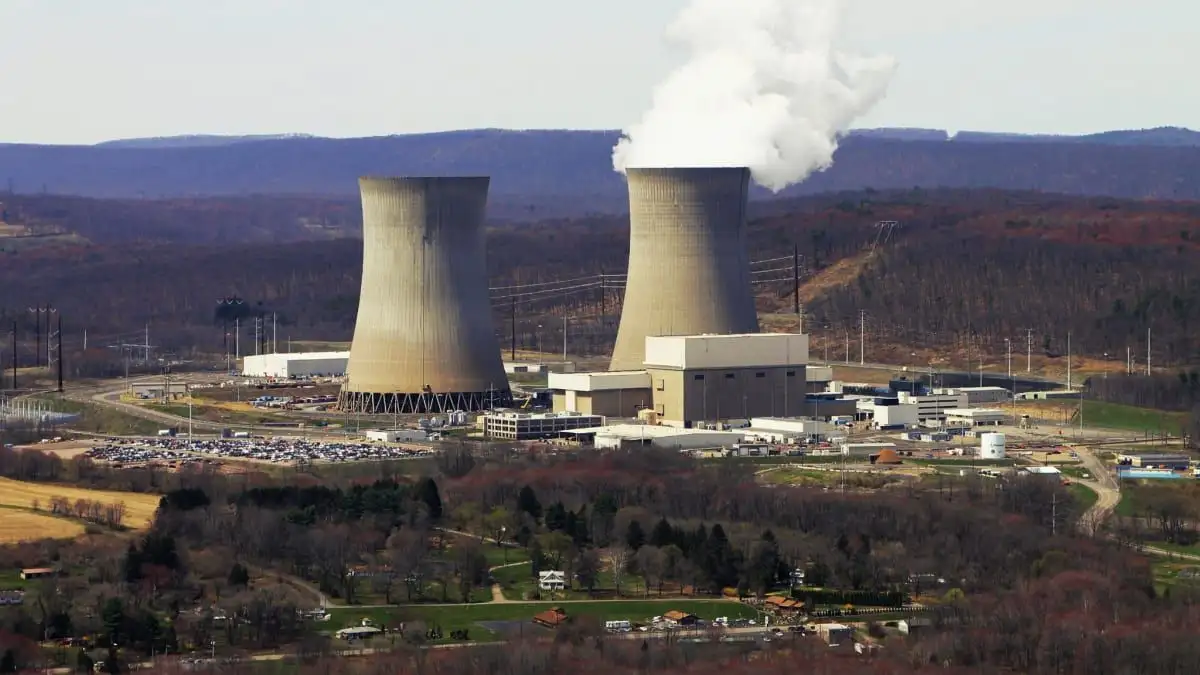
In Maryland, a 67-mile high-voltage line is planned to cut through agricultural land, triggering lawsuits from farmers who claim the project ruins their livelihood.
In Texas, the Howard–Solstice Transmission Line marks the state’s first use of 765-kilovolt technology, stretching hundreds of miles across the Hill Country and Lower Pecos regions.
Federal regulators at FERC are rewriting rules to prioritize "grid access" for large tech firms, potentially leaving existing customers to shoulder the costs or face power curtailments.
"To them, all they care about is money… these lines on steel towers are five or six times as tall as normal poles, carrying power in bulk across long distances." — Property owner near the Sugarloaf project.
The Physical Footprint of Virtual Growth
The transition from bits to atoms is becoming a jagged reality for rural landowners. Unlike traditional utility upgrades, these ' Extra-High-Voltage Lines ' are designed for bulk transport, bypassing local needs to serve concentrated clusters of server farms.

| Project Region | Technical Specs | Primary Conflict |
|---|---|---|
| Maryland | 67-mile corridor | Farm fragmentation and property rights |
| West Texas | 765-kilovolt lines | Environmental vulnerability in Lower Pecos |
| Central Texas | Extra-high voltage | Local government opposition & conservation |
| National Grid | FERC Queue Reforms | "Choke point" governance and priority access |
The electric grid has become a political choke point where tech giants compete with residents for stable voltage. Recent federal actions suggest a shift toward fast-tracking infrastructure, allowing big companies to turn "grid access" into a guaranteed commodity, often at the expense of local geographic and environmental stability.
Read More: New York Mets vs Atlanta Braves 7 April 2026 NL East game preview

Grid Stress and the Cost of Connection
The ' Aging Power Grid ' is struggling to hold the weight of this new demand. Some energy experts note that while electricity networks benefit from economies of scale, the fixed costs of building these steel-tower corridors are frequently pushed onto the public.

Reliability Risks: In West Texas, project managers reportedly avoid lands with conservation easements, only to push lines through other vulnerable spots.
Price Shifting: Regulatory fights at FERC center on who pays for the "interconnection" of these massive hubs—whether data centers will pay their share or if residential bills will climb to subsidize the tech boom.
Resource Scarcity: Beyond the wires, a shortage of microchips and basic hardware persists, but the immediate physical barrier is the inability of the 20th-century grid to support 21st-century loads.
Background: The Governance Pivot
Historically, grid expansion was a slow, localized process governed by state-level necessity. The ' Federal Power Grab ' currently underway involves FERC (Federal Energy Regulatory Commission) implementing rulemaking that changes how power is allocated. By placing new commissioners into seats specifically to manage "data center fights," the federal government is attempting to centralize control over a system that was never built for the current surge in concentrated, high-density energy consumption.
As ' Data Quality ' becomes the new gold for tech firms, the actual dirt and steel required to move that data's energy source is becoming the most contested terrain in American infrastructure.
Read More: Caitlin Clark Condemns WNBA Online Abuse After June 24 Incident