The Winter Olympics curling competition has become the scene of a brewing scandal, as allegations of "double-touching" stones have ensnared multiple national teams, including Great Britain. The controversy, which initially focused on Canadian athletes, has broadened to include Team GB, drawing increased scrutiny to the sport's officiating and rules.
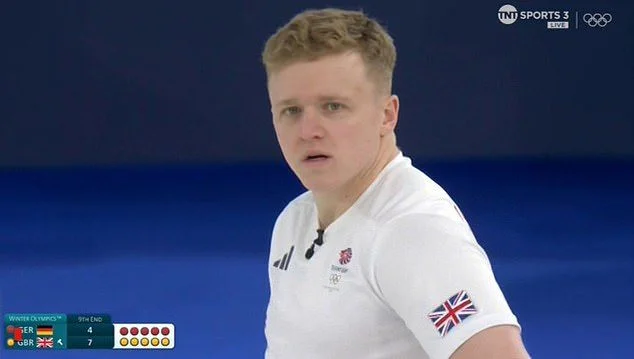
Context of the Curling Controversy
The ongoing debate centers on a specific rule in curling: players are prohibited from touching a curling stone with their body or equipment after it has been released and is in motion down the ice. This infraction, known as "double-touching," can lead to the stone being removed from play.
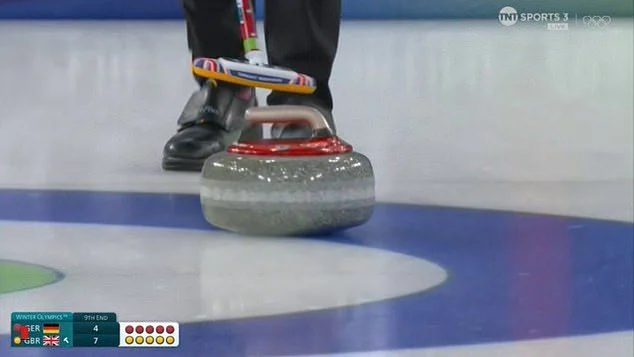
Timeline of Events: The controversy gained significant traction after incidents involving Canadian curlers. Notably, Canadian skip Rachel Homan had a stone removed from play due to an umpire's ruling of double-touching during a match against Switzerland. Subsequently, accusations of the same violation were leveled against the British men's team.
Key Actors:
Team GB: Both the men's and women's curling teams from Great Britain have been mentioned in connection with the double-touching allegations.
Canadian Teams: Both the Canadian men's and women's teams have been at the forefront of this controversy, with Rachel Homan being a prominent figure.
World Curling Federation (WCF): This governing body is responsible for the rules of curling and their enforcement during international competitions.
Nature of the Infraction: The core issue is whether a curler makes contact with their stone after releasing it. The rule is clear: touching the handle after the hog line is a violation that results in the stone's removal.
Evidence and Incidents
The allegations have been brought to light through official rulings and commentary during televised matches.
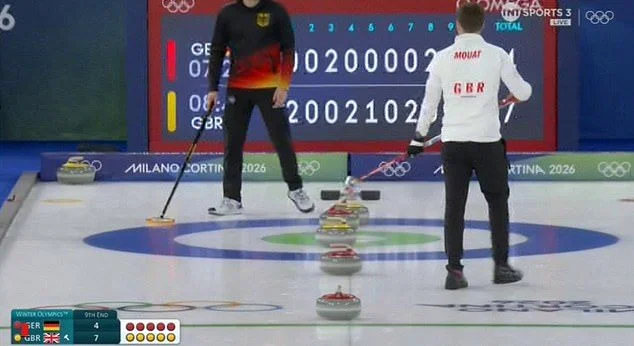
Team GB Incident: A specific instance involved a Team GB player being accused of double-touching. An umpire intervened, and the stone in question was removed from play.
Quote from commentator: "Not again," stated former GB Olympic curler Jackie Lockhart, reflecting the resurfacing of this issue.
Outcome: Despite the removed stone, the Team GB team involved went on to win their match by a score of 9-4.
Canadian Incidents:
Rachel Homan: Accused of double-touching, leading to the removal of her stone.
Canadian Men's Team: Also implicated in similar accusations, leading to widespread discussion about the sport.
Debate Over Officiating and Replays
The controversy has sparked a discussion about how such infractions are monitored and adjudicated.
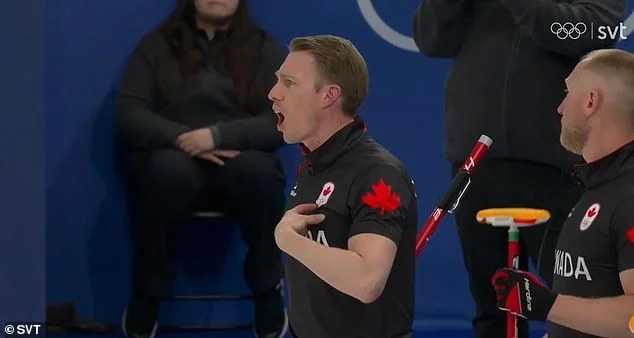
Current Officiating: The World Curling Federation directed umpires to monitor play more closely, with two umpires assigned to each four-match round.
Video Replays: There is a divergence of opinion among curlers regarding the implementation of video replays for reviewing calls.
World Curling Stance: The WCF currently does not use video replays for adjudicating game play.
Player Opinions: Curlers are divided on whether video replays would enhance fairness or disrupt the flow of the game. Some believe it would provide a more objective means of making calls, while others prefer the human element of officiating.
International Scrutiny and Rule Clarification
The spread of these allegations has brought increased international attention to curling and the WCF's guidelines.
Read More: FIFA World Cup 2026 Revenue Reaches $15 Billion With New Ticket Prices
Global Reach: The controversy has extended beyond Canada and Great Britain, involving other nations and drawing comments from various international figures in the sport.
WCF Clarification: Following the incidents, the World Curling Federation reiterated that "double-tapping is not allowed." They confirmed that touching the handle after the hog line is a violation that will result in the stone's removal from play.
Expert Analysis
The integrity of the sport and the clarity of its rules are under examination.
Former Athlete Perspective: The comment from former GB Olympic curler Jackie Lockhart ("Not again") suggests a history or at least a familiarity with such disputes, indicating that the issue of double-touching, while perhaps not frequent, is a known concern.
Sporting Integrity: The fact that multiple teams from prominent curling nations are being accused raises questions about consistent application of rules or potential challenges in the sport's mechanics. The split among curlers on video replays highlights the subjective nature of some calls and the desire for objective verification.
Conclusion and Implications
The "double-touching" controversy has cast a shadow over the Winter Olympics curling events, highlighting a complex rule and its enforcement.
Findings:
Team GB has been officially implicated in a double-touching violation, mirroring incidents involving Canadian teams.
The World Curling Federation has confirmed the rule and its consequences, but the use of video replays for adjudication remains a point of contention.
The incidents have led to a broader discussion about officiating standards and fairness in curling.
Implications:
Increased pressure on officials to ensure consistent and accurate calls.
Potential for greater debate within the curling community regarding rule interpretation and the adoption of technology.
The "double-touching" controversy, though specific, contributes to the overall narrative of scandals at the 2026 Winter Olympics, impacting the sport's perception.
Next Steps: Future matches will likely be observed with heightened attention to player movements after stone release. The WCF may face renewed calls to address the use of technology in officiating.
Sources Used:
Daily Mail: https://www.dailymail.co.uk/sport/winterolympics/article-15563675/Team-GB-dragged-Winter-Olympics-curling-cheating-scandal-caught-TV-Canada-double-touching-drama.html
AP News: https://apnews.com/article/winter-olympics-curling-controversy-8b7acc54e259344fb3fcfa68343af5ec
New York Post: https://nypost.com/2026/02/15/sports/olympic-curling-scandal-grows-as-great-britain-dinged-for-same-violation-as-canada/
USA Today: https://www.usatoday.com/story/sports/olympics/2026/02/16/olympic-scandals-2026-milan-cheating-scoring-fraud/88695433007/

:max_bytes(150000):strip_icc():focal(997x455:999x457)/Lindsey-Vonn-2025-ESPYs-022626-82abd0f59f2b4beaa1ce353614365866.jpg)



:max_bytes(150000):strip_icc():focal(749x0:751x2)/lindsey-vonn-milano-cortina-2026-winter-olympic-games-020926-5-64a7c1c748e34a03943dac62412ab66b.jpg)