


Fifty years after its release, Martin Scorsese's "Taxi Driver" continues to strike a chord, its exploration of alienation, urban decay, and misguided heroism resonating deeply with contemporary audiences. The film, a gritty portrayal of Travis Bickle's descent into vigilante violence, has become a subject of renewed examination, with many suggesting its themes are even more pertinent today than during its initial debut. The unsettling narrative, set against the backdrop of a raw, "hellscape" New York City, probes the psychological state of a loner struggling with insomnia and a profound sense of detachment, leading him to perceive himself as a redeemer in a world he views as morally corrupt.
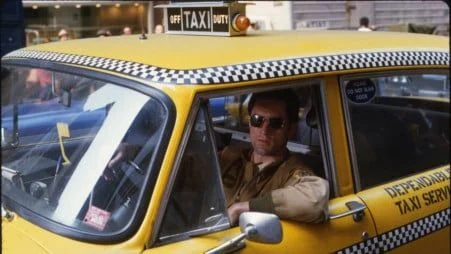
Contextualizing Travis Bickle's Descent
"Taxi Driver" was released in 1976, a period marked by public disillusionment following the Vietnam War and the Watergate scandal, as noted by Traversing Tradition (Article 8, 12). The film stars Robert De Niro as Travis Bickle, a former U.S. Marine discharged from service and suffering from insomnia, who takes up work as a taxi driver in New York City. His nightly excursions through the city become a crucible for his growing disgust with the perceived degradation of society.
Read More: The Devil's Rain 4K release sparks debate on cult status
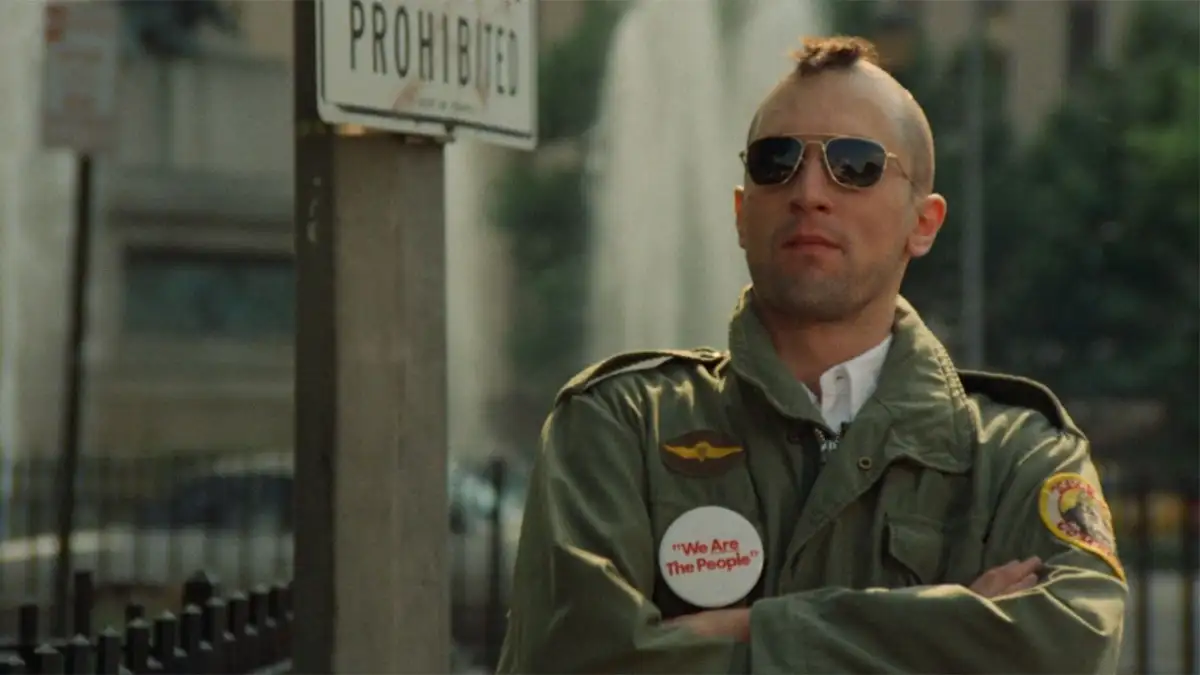
Travis's Isolation: Bickle's insomnia is presented as a primary catalyst for his solitary wanderings and his nihilistic worldview (Article 7). He experiences profound loneliness, struggling to connect with others.
Objectification of Women: His interactions with Betsy (Cybill Shepherd), a campaign worker, and his obsession with rescuing Iris (Jodie Foster), a teenage prostitute, reveal a warped savior complex fueled by his inability to form genuine human connections. He projects his desires and judgments onto them, rather than seeing them as individuals (Article 14).
Urban Decay: The film vividly depicts a gritty, pre-cleanup New York, which Scorsese intended to reflect Bickle's internal state. Cinematographer Michael Chapman's "sentient camera" work further enhances this feeling of unease and immersion (Article 2, 6).
Evidence of Enduring Resonance
Critics and viewers alike continue to find parallels between Bickle's experiences and modern societal issues. The film's themes of alienation, disillusionment, and the rise of extremist ideologies are frequently cited as reasons for its sustained relevance.
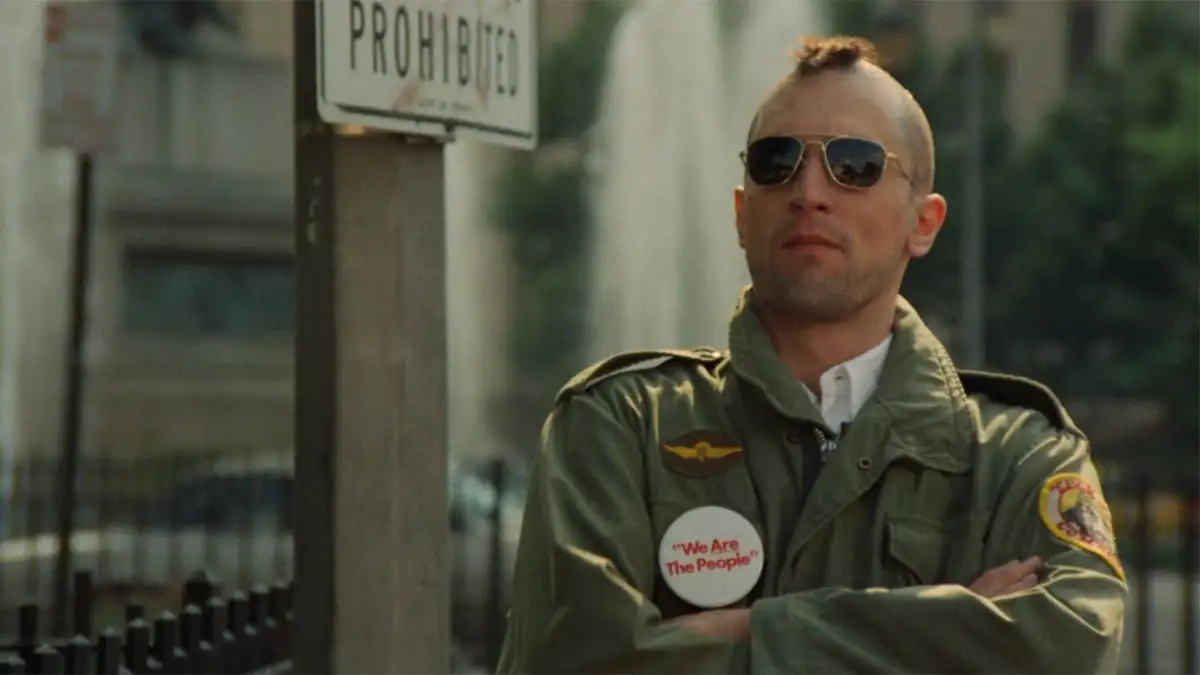
The "God's Lonely Man" Archetype: Screenwriter Paul Schrader's initial concept of Bickle as "God's lonely man" (Article 8) appears to tap into a recurring societal archetype. The film’s exploration of incel culture, a term referring to involuntary celibates, has been noted, suggesting Bickle embodies aspects of this modern phenomenon (Article 3).
Misguided Vigilantism: Bickle's violent actions, driven by a perceived moral imperative, continue to be a focal point. His final act of violence, while graphic, is followed by a newspaper narrative that paints him as a hero, a conclusion many find ironically unsettling given his actions (Article 3, 10). The question of whether Bickle survives his violent climax is debated, with the film’s ambiguous ending leaving room for interpretation (Article 3, 4).
Psychological Depth: De Niro's "disturbing yet human performance" (Article 6) is credited with bringing complexity to a character who could easily be a one-dimensional villain. The film's haunting jazz score by Bernard Herrmann contributes significantly to its unsettling atmosphere (Article 6).
Travis Bickle: A Reflection of Societal Malaise
The character of Travis Bickle has been analyzed as a symptom of broader societal issues. His inability to cope with his experiences, particularly his military service (though the extent of his Vietnam involvement is debated), contributes to his alienation from modern society (Article 7, 9).
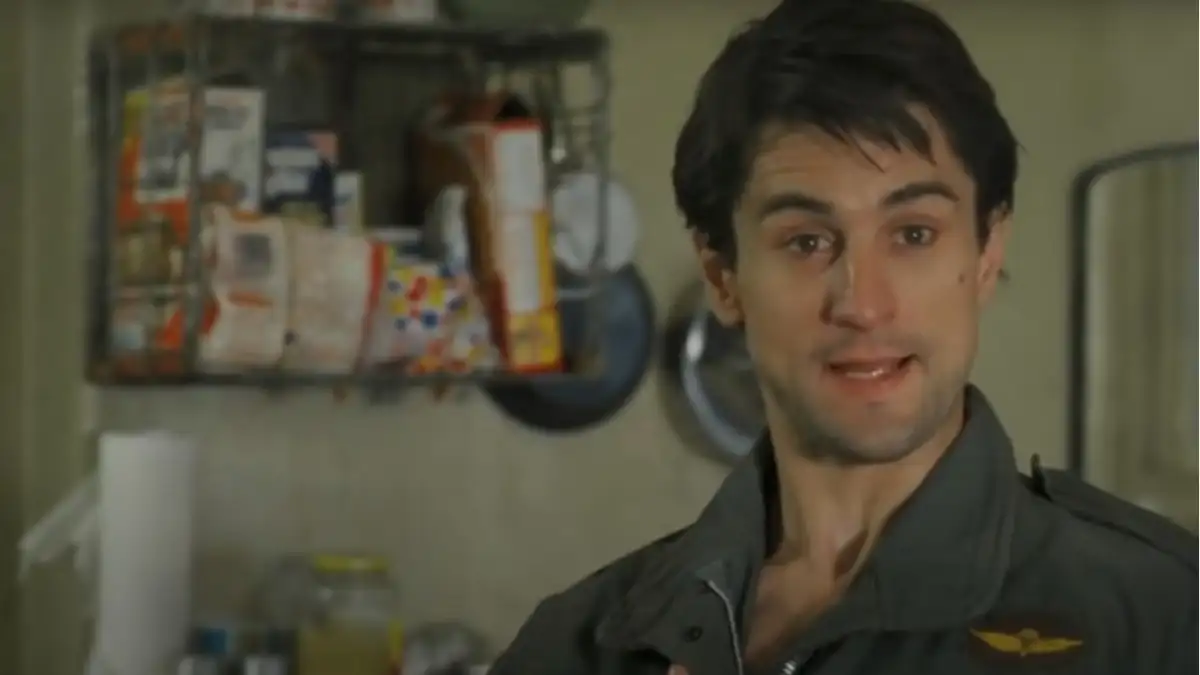
Thematic Exploration: Themes of disillusionment with authority, as seen in the aftermath of the Watergate scandal, provide a backdrop to Bickle's personal turmoil (Article 12).
Visual Storytelling: Scorsese's directorial choices, such as the iconic mirror scene and the lingering shot of Bickle in an empty corridor, amplify his isolation and internal conflict (Article 5). Scorsese himself stated that the film should "look the way I feel," a sentiment that fueled the film's raw, subjective aesthetic (Article 2).
Enduring Impact and Interpretations
"Taxi Driver" has been hailed as a masterpiece for its technical execution and its profound thematic depth. Despite being filmed on a lean budget, its impact has been immense, influencing subsequent filmmaking and cultural discourse.
Read More: Donna Kelce arrives in NYC for Taylor Swift wedding on April 7 2026
Critical Acclaim: The film garnered significant awards, with De Niro and Foster receiving accolades, and Scorsese being named best director by several critics' circles (Article 11).
Contemporary Comparisons: The film’s depiction of urban unease and the psychological fragmentation of its protagonist are seen as eerily prescient. The idea that Bickle might have even less human connection in today's digitally saturated world is a stark implication (Article 3). The film's intense atmosphere is now often described as "more stressful than ever" in the current sociopolitical climate (Article 9).
Expert Analysis and Scholarly Discussion
Scholars and critics have long debated the meaning and impact of "Taxi Driver." Its ability to provoke discussion across different eras underscores its significance.
"Every film should look the way I feel." - Martin Scorsese (Article 2)
The film's enduring power lies in its unflinching portrayal of a character whose internal struggles mirror external societal anxieties. The ambiguous ending, in particular, invites continuous reinterpretation, solidifying "Taxi Driver's" place as a work of complex artistic merit and persistent cultural relevance.
Paul Schrader's Vision: The initial concept by screenwriter Paul Schrader remains central to understanding Bickle's character as a product of profound loneliness and detachment.
Scorsese's Aesthetic: Scorsese's deliberate choices in visual storytelling and his willingness to embrace an emotional, rather than purely realistic, approach to filmmaking are key to the film's lasting power.
Conclusion: A Timeless Study of Disconnect
Fifty years on, "Taxi Driver" is more than just a film; it is a disquieting mirror held up to society. Travis Bickle’s journey, from insomniac cabbie to violent vigilante, continues to provoke conversations about alienation, societal decay, and the complex nature of heroism. The film's unvarnished depiction of urban life and its deep dive into a troubled psyche, captured through groundbreaking filmmaking techniques, ensures its continued relevance. The recurring question of Bickle's fate and the irony of his potential societal "acceptance" leave audiences contemplating the perennial struggle for connection and meaning in an often-impersonal world. The enduring power of "Taxi Driver" lies not just in its cinematic achievements but in its unsettling capacity to reflect enduring human anxieties.
Read More: Mortal Kombat 3 Script Done, But Studio Has Not Said Yes Yet
Sources Used:
Inverse: Published 5 hours ago. Focuses on "Dark Premonition of America" and Bickle's savior complex. https://www.inverse.com/entertainment/taxi-driver-50-year-anniversary
South China Morning Post (SCMP): Published 2 days ago. Examines Bickle's terrifying relevance and Scorsese's "feel" for the film's look. https://www.scmp.com/lifestyle/entertainment/article/3342180/how-taxi-drivers-travis-bickle-still-terrifyingly-relevant-50-years
The Ringer: Published July 30, 2018. Discusses Bickle in the context of "incels" and the film's surreal coda. https://www.theringer.com/2018/07/30/movies/taxi-driver-martin-scorsese-paul-schrader-incels
Horrorgeeklife: Published February 8, 2021. Questions Bickle's fate and his search for purpose. https://www.horrorgeeklife.com/2021/02/08/taxi-driver-is-still-relevant-45-years-later/
TBS News: Published 12 hours ago. Highlights the quiet corridor scene and universal loneliness. https://www.tbsnews.net/splash/half-century-taxi-drivers-quiet-corridor-scene-captures-universal-loneliness-1354676
Screen Rant: Published August 10, 2021. Lists 10 things that still hold up, including De Niro's performance and the score. https://screenrant.com/why-taxi-driver-still-holds-up-today/
The Movie Buff: Published April 9, 2022. Analyzes the alienation of modern society and Bickle's subjective worldview. https://www.themoviebuff.net/2022/04/martin-scorseses-taxi-driver-and-the-alienation-of-modern-society/
Traversing Tradition: Published January 25, 2022. Explores "God’s Lonely Man" and the onslaught of modernity. https://traversingtradition.com/2019/11/04/gods-lonely-man-taxi-driver-and-the-onslaught-of-modernity/
CinemaBlend: Published 2 days ago. Discusses the film's stressfulness today and Bickle's alienation. https://www.cinemablend.com/movies/taxi-driver-turns-50-this-weekend-so-i-rewatched-it-for-first-time-in-years-more-stressful-than-ever
The Guardian: Published June 30, 2021. Reviews the film's sleaze and its ironic ending. https://www.theguardian.com/film/2017/feb/09/taxi-driver-review-scorseses-sleaze-is-still-the-bees-knees
The Seattle Times: Published February 11, 1996. Reflects on urban fears haunting society 20 years later, mentioning awards and specific plot points. https://archive.seattletimes.com/archive/19960211/2313674/taxi-driver——20-years-later-its-urban-fears-still-haunt-us
Jordanesekia.wordpress.com: Published April 12, 2016. Provides a postmodernist view of 1970s America in relation to the film. https://jordanesekia.wordpress.com/2015/12/18/taxi-driver-a-postmodernist-view-of-1970s-america/
Fthismovie.net: Published March 2018. Explores the challenges and ugliness of the film. http://www.fthismovie.net/2018/03/back-to-1976-taxi-driver.html
Cinemabandit: Published August 23, 2018. Discusses perspective and values, focusing on Betsy and Travis's projections. https://cinemabandit.wordpress.com/2018/08/23/perspective-and-values-in-martin-scorseses-taxi-driver/

:max_bytes(150000):strip_icc()/MORTAL-KOMBAT-II-LEWIS-TAN-050826-f54556c368f34929b0ed2ea7f658c792.jpg)
:max_bytes(150000):strip_icc():focal(799x0:801x2)/nyc-sky-taylor-swift-travis-kelce-wedding-070326-2dc0d912004b400eac2c8c8b5adeff2a.jpg)


