SYDNEY, AUSTRALIA – In the manicured enclaves of Australia's most affluent suburbs, a leafy green conflict has taken root, pitting neighbours against each other in protracted legal entanglements. At the heart of the matter: trees, and the seemingly irreconcilable clash between property preservation and the unfettered enjoyment of prized views.
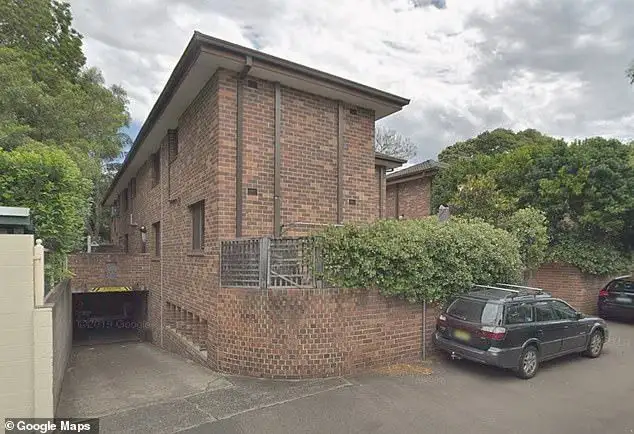
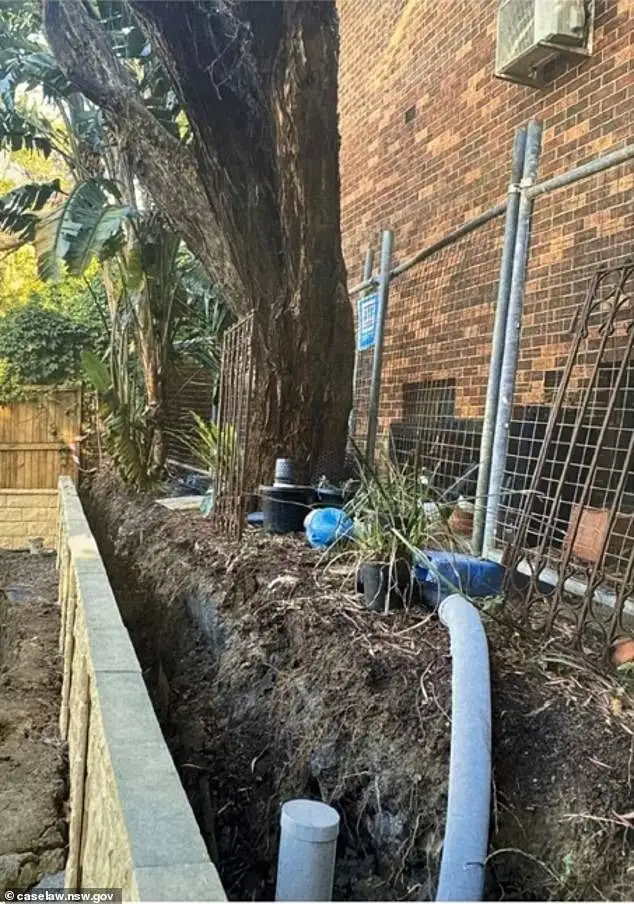
The current legal skirmish centers on a single tree, whose structural integrity has become a focal point for a couple in Rozelle concerned about damage to their $3 million home. A tree consultant, Kyle Hill, inspected the ailing specimen, noting "cavities… with evidence of termite activity" and a "structurally weak union." While another recommendation suggested trimming two branches, the ultimate verdict from the arboreal expert leaned towards removal as the necessary step to "mitigate the risk." The responsibility for this arboreal eviction, and the subsequent planting of a successor, will fall upon the property's strata.
Read More: Vanessa Amorosi's Mother Moves After Family Home Sold for $2.5 Million
Views vs. Vegetation: A Recurring Theme
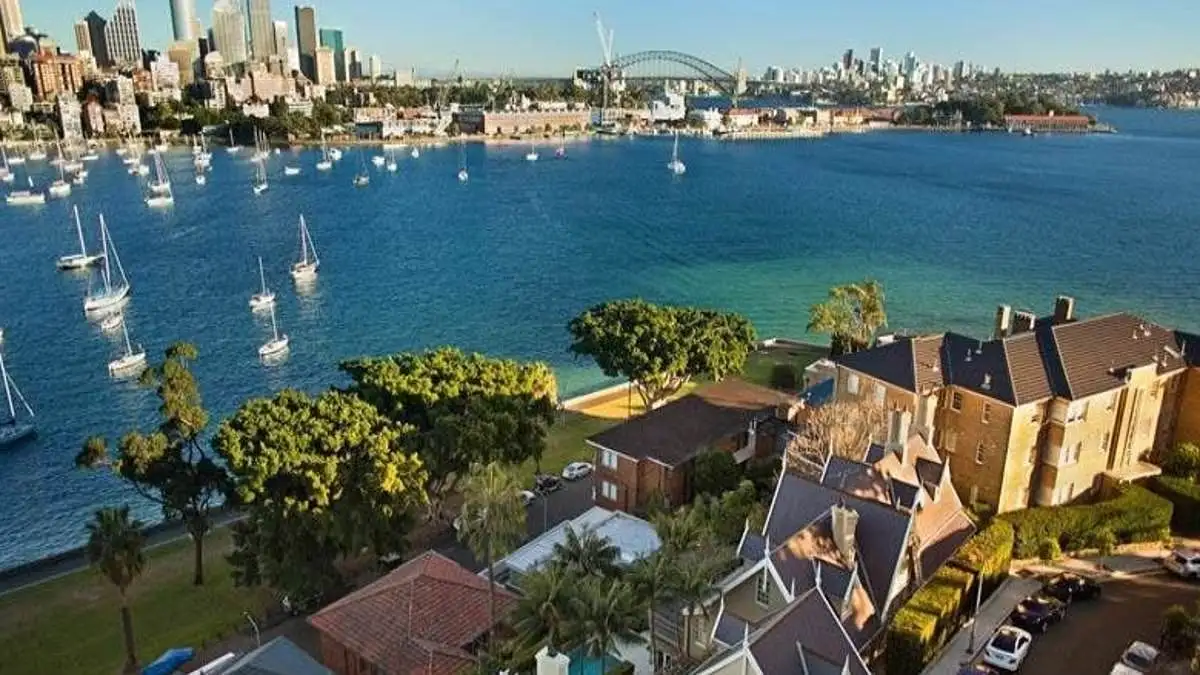
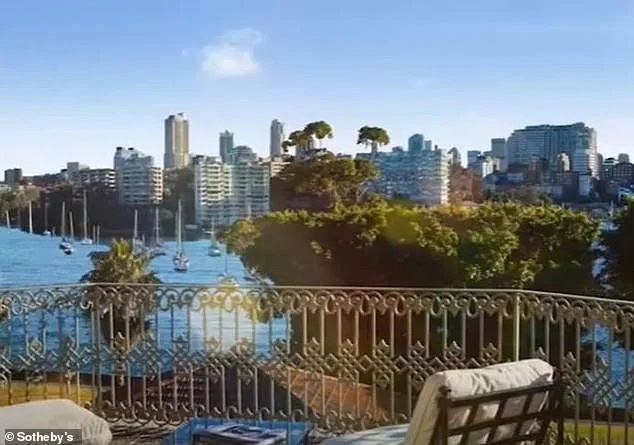
This recent entanglement is not an isolated incident. The wealthy strata of Sydney have repeatedly found themselves at odds over botanical obstructions. In Darling Point, a dispute involving Mr. Curtis and Mr. Pranatajaya saw palm trees become the subject of legal wrangling. Mr. Curtis’s legal team argued that the palms violated height restrictions and, more pointedly, encroached upon "exclusive views" that included the iconic Harbour Bridge, Opera House, and CBD.
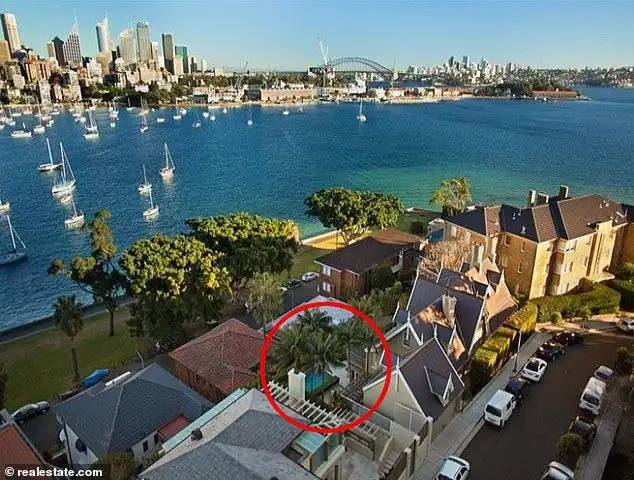
"The reasons to avoid interfering with the trees outweigh Mr. Curtis's interest in preserving his view."
Despite these arguments, a judge ultimately sided against Mr. Curtis, concluding that the value of undisturbed trees trumped the desire for an unobstructed vista. The case underscored the inherent tension between property rights and the aesthetics of a prime location.
Precedents and Posh Problems
Similar battles have played out in other harbourside locales. In Rose Bay, a court case involved Ms. Black and Ms. Jeihooni over palm trees. Ms. Black contended that four trees had a "severe and devastating impact" on her previously "spectacular views," which encompassed the Harbour Bridge and Opera House. Her neighbour, Ms. Jeihooni, countered that the trees offered essential privacy and shade. The presiding judge, Ms. Sheridan, ultimately dismissed Ms. Black's application, finding that the trees obstructed minimal views.
Read More: Three hearses burned in Roselands arson attack on 4 April 2026
These cases, particularly the current one in Rozelle, have the potential to establish significant precedents for similar property disputes in Australia's most desirable neighborhoods. They illuminate the intricate web of property rights, local ordinances, and the often-passionate attachments residents have to both their homes and their panoramas. The very definition of what constitutes a "risk" versus a "nuisance" appears to be a constantly shifting legal landscape, shaped by the stakes – and the valuations – of Australia's most affluent addresses.
Read More: Couple Wins 8-Foot Lawn Strip Via 17-Year Use in London
/cloudfront-ap-southeast-2.images.arcpublishing.com/nzme/RVI7RFHOI34HTKKRUG3LS6DNVY.jpg)