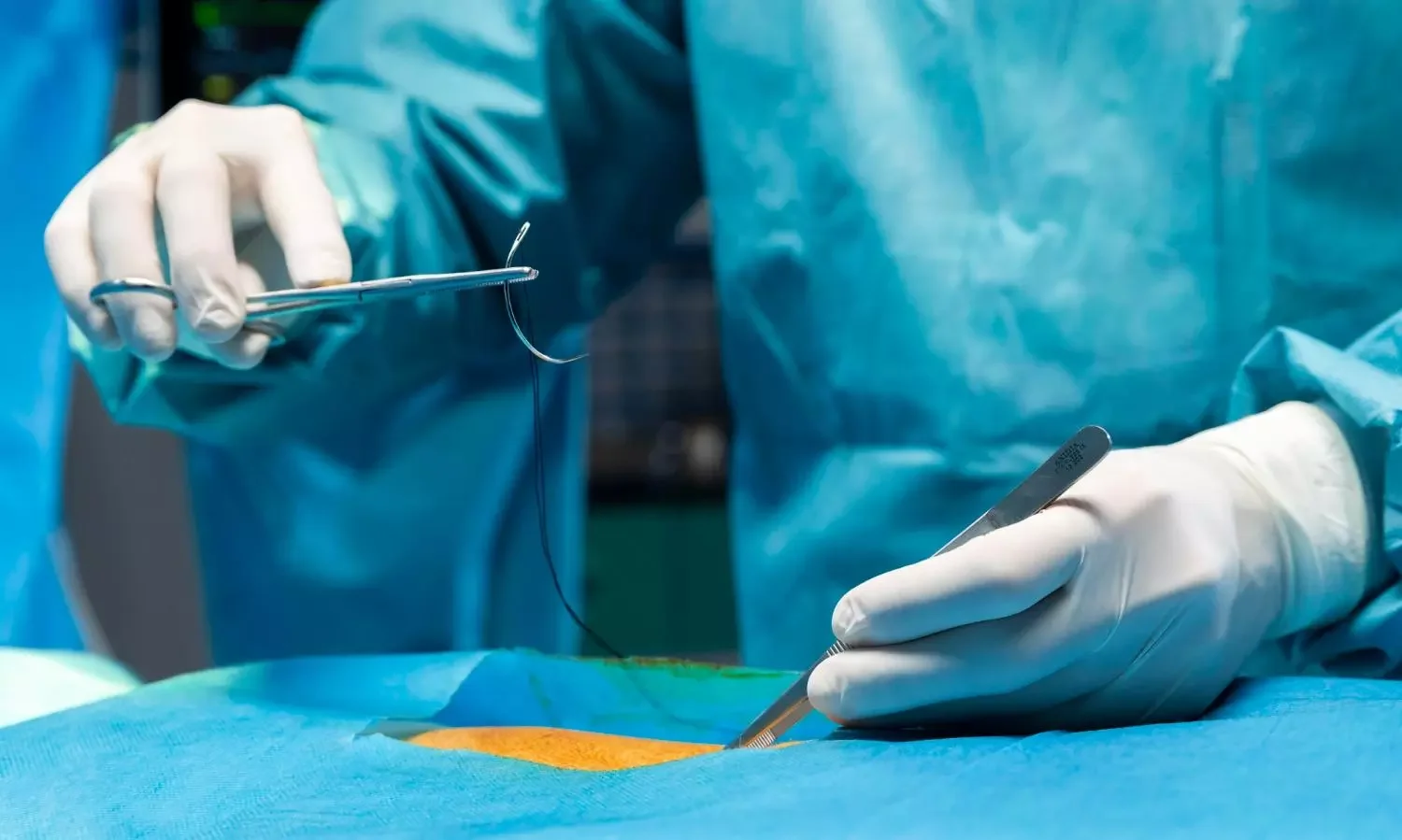
A disturbing event has surfaced in Kerala, where surgical forceps were discovered inside a woman's abdomen five years after she underwent surgery at Alappuzha Medical College. This revelation has led to a probe ordered by the state's Health Minister, raising questions about patient safety and medical oversight. The family alleges that a surgical instrument was left inside the patient during the procedure, a claim that has prompted a swift official response.

Background of the Case
The patient, a woman from Punnapra, was admitted to a private hospital in Kochi after medical scans revealed an artery forceps within her abdomen. This discovery came five years after a surgical procedure at Alappuzha Medical College in Vandanam. The family has come forward with allegations concerning the surgery, leading to an official inquiry.

Patient's Complaint: The woman had reportedly experienced persistent pain and other complications for years following the surgery. Her family states she endured difficulty with urination and was unable to work regularly, leading to substantial medical expenses.
Initial Medical Assessments: Despite her complaints, the patient was allegedly initially told her symptoms were due to kidney stones.
Allegations of Concealment: The family further claims that a doctor advised the patient not to disclose the incident, suggesting an attempt to handle the matter discreetly.
Discovery of Instrument: It was only after years of managing discomfort with medication that the foreign object was identified.
Official Response and Denials
The incident has drawn the attention of the Kerala Health Minister, Veena George, who has ordered a comprehensive probe into the matter.
Read More: Johnny Depp Let Eric Dane Live Rent-Free in LA Home During ALS Fight
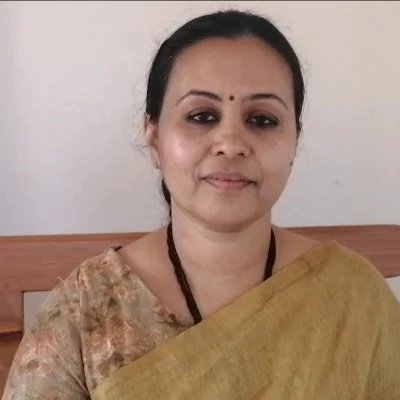
"Veena George slams Dr Lalithambika Health Minister Veena George on Friday rejected Dr Lalithambika’s statement, assured the family of full legal support, and said she did not accept the explanation offered." (Article 2)
Dr. Lalithambika, a retired surgeon from Alappuzha Medical College, has been named in the family's allegations. However, she has denied performing the surgery in question.

Dr. Lalithambika's Statement: She stated that the surgery occurred just before her retirement and that her name might appear in records due to her position as unit chief at the time. She also suggested that the patient's persistent pain was due to a urinary stone, as detected by an ultrasound, not a retained surgical instrument.
Health Minister's Rejection: Minister Veena George has publicly rejected Dr. Lalithambika's explanation, assuring the patient's family of full legal support and indicating that the provided explanation was not accepted.
Probe Underway: An expert panel is set to examine the incident in detail, following the receipt of a preliminary report.
Systemic Concerns Raised
Beyond individual accountability, the case has brought to light broader issues within the healthcare system.
"System Failure" Argument: Dr. Lalithambika herself described the incident as a "system failure" rather than individual negligence. (Article 3)
Past Incidents: This is not an isolated event in the region.
In March 2023, four doctors were suspended after a stitched surgical mop was found in a patient's stomach. (Article 6)
In December 2025, an Andhra Pradesh doctor and nurse were suspended after a surgical blade was found inside a patient post-operation. (Articles 5, 7, 8) In that instance, the patient had undergone a tubectomy, and the blade was discovered during a scan for post-operative complications.
Evidence and Testimonies
The core evidence centers on the discovery of the surgical forceps within the patient's abdomen.
Medical Imaging: Diagnostic imaging, such as ultrasounds, confirmed the presence of the artery forceps.
Family Accounts: The patient's family has provided accounts detailing her prolonged suffering and the alleged lack of resolution for her persistent pain.
Official Statements: Statements from the Health Minister and Dr. Lalithambika outline their respective positions on the incident.
Conflicting Accounts
The narrative surrounding the incident presents conflicting viewpoints, particularly regarding the identification and responsibility of the medical professionals involved.
Dr. Lalithambika's Position:
Denies performing the specific surgery.
Suggests her name might appear on records due to her administrative role.
Attributes the patient's pain to kidney stones.
Labels the situation as a "system failure."
Health Minister Veena George's Position:
Rejects Dr. Lalithambika's explanation.
Promises legal support to the family.
Orders an expert probe.
Has not accepted the explanation provided.
Patient's Family's Position:
Alleges a surgical instrument was left inside the patient.
Claims persistent pain and complications for five years.
Accuses a doctor of advising discretion.
Expert Analysis and Potential Implications
The incident necessitates a thorough examination of surgical protocols and post-operative care.
Surgical Safety: The discovery of retained surgical instruments, even years later, raises significant concerns about adherence to surgical safety checklists and procedures designed to prevent such occurrences.
Accountability: The investigation will likely focus on identifying the precise point of failure, whether it was during the surgery itself, in the documentation, or in the subsequent handling of the patient's complaints.
Patient Trust: Such events can erode patient trust in medical institutions, particularly public hospitals, highlighting the need for transparent and robust investigative processes.
Conclusion and Next Steps
The finding of surgical forceps in a patient's abdomen five years after surgery at Alappuzha Medical College has triggered a significant official response.
Current Status: A probe has been ordered by the Health Minister, and an expert panel is expected to conduct a detailed examination.
Key Questions: The investigation will need to clarify who performed the surgery, the circumstances under which the instrument was retained, why it went undetected for five years, and how the patient's subsequent complaints were handled.
Legal Support: The patient's family has been assured of full legal support.
Systemic Review: The incident, coupled with similar past events, underscores the need for a review of medical practices and oversight mechanisms to prevent future occurrences.
Sources:
The Federal: Surgical forceps found in Kerala woman’s abdomen 5 years after surgery; probe ordered - https://thefederal.com/category/states/south/kerala/kerala-medical-college-surgery-probe-instrument-left-patient-230749*
Mathrubhumi: Alappuzha surgery row: Health minister orders probe; Dr Lalithambica denies role - https://english.mathrubhumi.com/news/kerala/alappuzha-surgical-instrument-case-lalithambica-veena-george-probe-uh692cf2*
UNI India: Deeply Painful: Kerala Health Minister orders probe after scissors found in patient’s abdomen years post-surgery - https://uniindia.com/news/south/crime-kerala-ld-scissors-abdomen/3747328.html*
The Hawk: Scissors found in woman’s abdomen 5 years after surgery; Kerala Minister orders probe - https://www.thehawk.in/news/health/scissors-found-in-womans-abdomen-5-years-after-surgery-kerala-minister-orders-probe*
Medical Dialogues: AP doctor, nurse suspended after surgical blade found inside patient - https://medicaldialogues.in/news/health/doctors/ap-doctor-nurse-suspended-after-surgical-blade-found-inside-patient-160097*
Kerala Kaumudi: Stiched surgical mop in stomach; four doctors suspended - https://keralakaumudi.com/en/news/news.php?id=1028671&u=stiched-surgical-mop-in-stomach-four-doctors-suspended-1028671*
The Doctors Post: AP Govt Suspends Doctor, Nurse After Surgical Blade Found Inside Patient Post-Tubectomy - https://doctorspost.in/ap-govt-suspends-doctor-nurse-after-surgical-blade-found-inside-patient-post-tubectomy/*
The Times of India: Doctor, nurse suspended after surgical blade found in patient at Narasaraopeta government hospital | Vijayawada News - https://timesofindia.indiatimes.com/city/vijayawada/doctor-nurse-suspended-after-surgical-blade-found-in-patient-at-narasaraopeta-government-hospital/articleshow/125794005.cms*