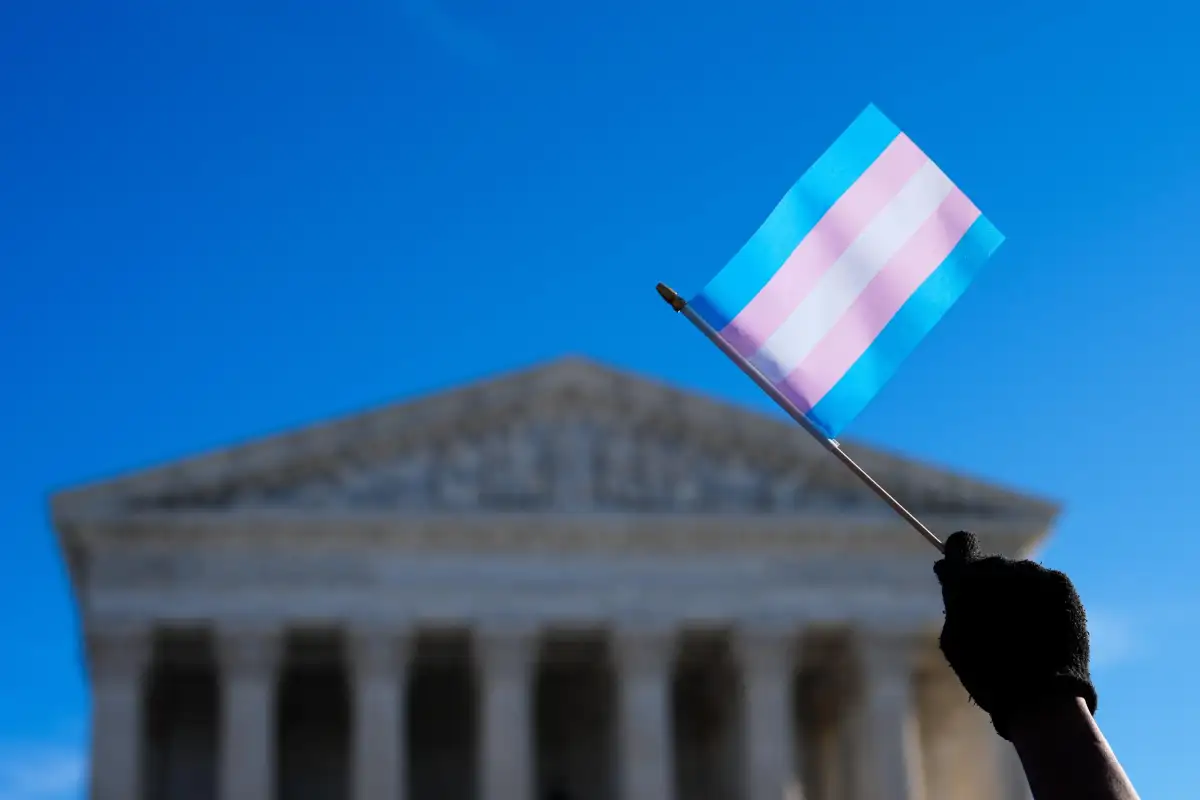
Recent Rulings Undermine Protections, Sparking Concern
The highest court in the land has recently issued a series of decisions that have left many observing a complicated and, for some, concerning trajectory for LGBTQ+ rights. While past rulings have, at times, expanded protections, recent judgments appear to carve away at them, particularly concerning issues of healthcare access and conversion therapy.
A significant recent ruling saw the Supreme Court reject a Colorado law that banned "conversion therapy" for LGBTQ+ minors, framing the prohibition as an infringement on free speech rights. This decision, which aligns with arguments supported by the Trump administration, means that a Christian licensed counselor, Kaley Chiles, can continue practices aimed at altering a minor's sexual orientation or gender identity. The court's 8-1 decision, with Justice Jackson dissenting, sends the case back to lower courts to assess if the law meets a high legal standard. This move has drawn sharp criticism, with organizations like the Human Rights Campaign stating it leaves children vulnerable to "abusive and ineffective practices."
Read More: Supreme Court May Order Ayodhya Temple Fund Audit Due to Theft Claims
Further complicating the picture, the court has also been a site of legal challenges that test the boundaries of existing protections. In cases related to anti-discrimination laws, a business owner, Lorie Smith of 303 Creative, successfully argued that her First Amendment rights protected her refusal to create websites celebrating same-sex marriage. This ruling, alongside others, has led some to observe a fracturing of First Amendment doctrine, where anti-gay speech appears to receive stronger constitutional protection than pro-gay speech.
A Pattern of Undermining Protections?
The cumulative effect of these decisions is raising alarms among advocacy groups. A term of injustice, as described by the Human Rights Campaign, involves rulings that appear to diminish basic protections and reinforce discrimination. This includes impacts on the freedom to receive specific medical care and the right to inclusive education.
Read More: WNBA Players Face Online Harassment Increases in April 2026

Broader Implications and Historical Context
The Supreme Court's involvement in LGBTQ+ rights cases is a relatively modern phenomenon. Historically, decisions have expanded protections, notably in areas concerning employment and, indirectly, through interpretations of statutes like Title VII and Title IX. The landmark Bostock decision, for instance, was seen as having wide-ranging effects.
However, the recent emphasis on speech rights in cases like the conversion therapy ban and the web designer's refusal highlights a tension between protecting against discrimination and upholding individual liberties under the First Amendment. The Justice Department, under the Trump administration, has weighed in, supporting arguments that state bans could "muzzle one side of an ongoing debate."
Meanwhile, the court has also opted out of hearing certain cases, such as one challenging the constitutionality of same-sex marriage, without offering explicit reasons. This declining to hear cases, as in the Davis case, leaves existing legal interpretations in place without further judicial review at this level.
Read More: Trump Pardons 11 for Clean Air Act Violations
The ongoing scrutiny of LGBTQ+ rights at the Supreme Court signals a critical juncture, where fundamental freedoms and protections are subject to ongoing legal and constitutional debate. The Human Rights Campaign continues to track these developments, emphasizing their impact on school, work, and community life.