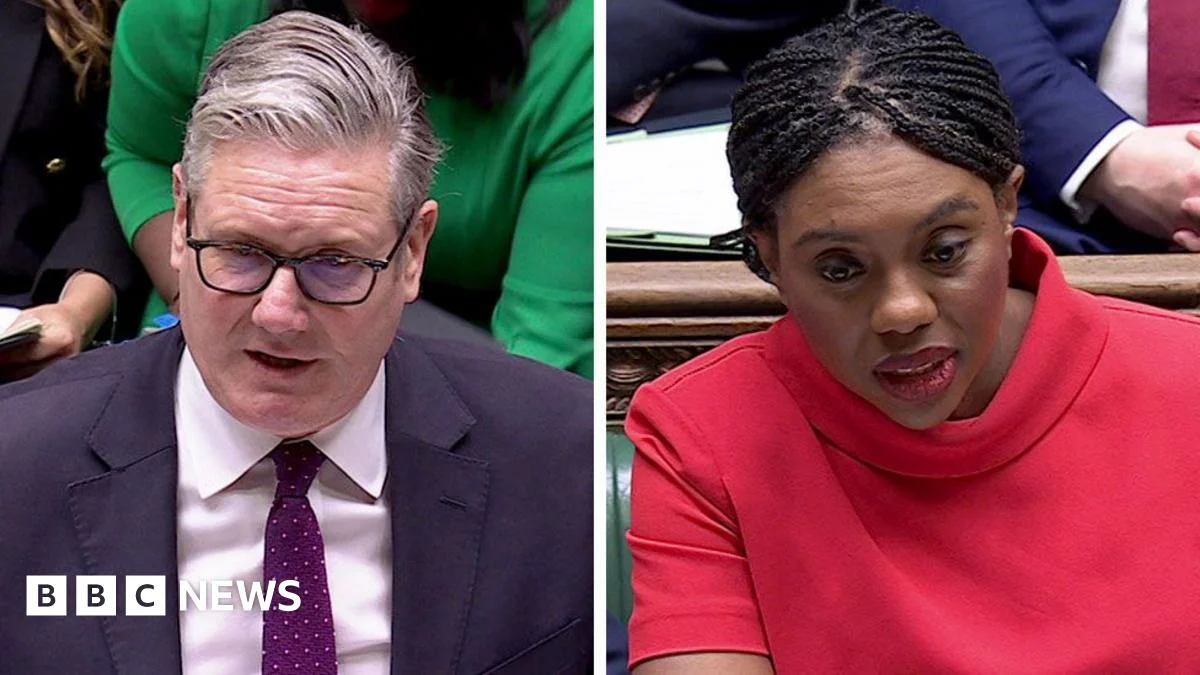
The political stage was set for a tense exchange at Prime Minister's Questions (PMQs) as Keir Starmer, leader of the Labour Party, confronted Kemi Badenoch. This encounter occurs at a critical juncture for Starmer, following a period marked by internal party dissent and public scrutiny of his leadership. The gravity of the situation is amplified by the persistent questions surrounding his political future, making this session a significant test of his command.
Political Landscape Under Pressure
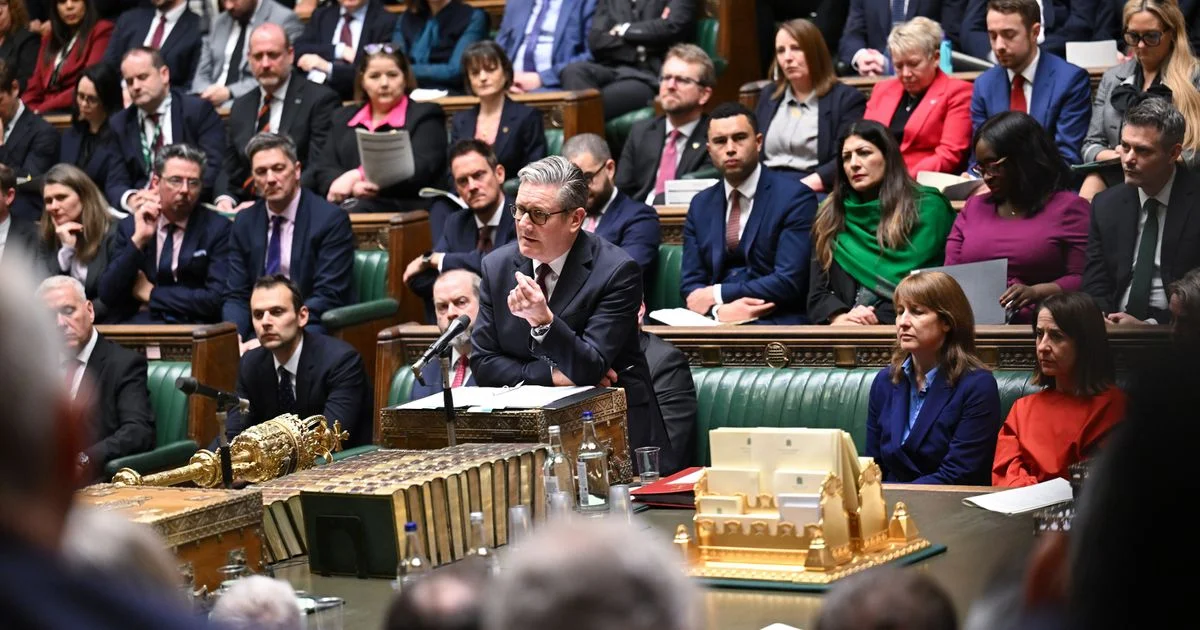
Prime Minister's Questions, a regular parliamentary event where the opposition leader challenges the Prime Minister, took on heightened significance this week. Keir Starmer found himself on the defensive, facing Kemi Badenoch amidst a backdrop of recent political turbulence. Reports indicate that Starmer has faced calls to resign from within his own party, alongside the removal of a party whip from Matthew Doyle, a former No10 communications chief. This internal pressure, coupled with external challenges, creates a complex environment for Starmer as he navigates the political arena.
Read More: MDMK Wants More Seats to Get Official Recognition
Evidence of Recent Political Events
Leadership Scrutiny: Reports from February 11, 2026, detail Kemi Badenoch's statements regarding Keir Starmer's actions. She mentioned that Starmer had previously stated full confidence in a staff member, only for that individual to be subsequently dismissed. Badenoch also referenced Starmer's past stance on staff loyalty. Sources suggest that these exchanges occurred during the latest PMQs.
Internal Dissent: An article from February 11, 2026, highlights that Starmer is facing MPs' questions following what is described as a "nightmare week." This period included calls for him to resign from figures such as the Scottish Labour leader, Anas Sarwar. The removal of the whip from Matthew Doyle due to his connections with a controversial councillor is also cited as a significant event.
Contested Past Statements: Commentary from February 11, 2026, references Sir Iain Duncan Smith's criticism of Keir Starmer's remarks on his working-class background. Duncan Smith reportedly questioned Starmer's ability to define "working class" and challenged claims about Labour's cabinet being the most working-class to date.
Past Encounters at PMQs: Previous sessions of PMQs have also seen Kemi Badenoch challenge Keir Starmer. In December 2025, Badenoch questioned unemployment figures under Labour, while Starmer highlighted job growth. In June 2025, Badenoch was expected to press Starmer on defence strategy and small boat crossings. In November 2025, reports indicated Badenoch "made the most of Keir Starmer's troubles" during PMQs, with one minister describing the approach as "tone deaf."
The Context of the Confrontation
The current political climate surrounding Keir Starmer is characterized by a series of challenging events that have amplified scrutiny on his leadership. The recent dismissal of staff and ongoing discussions about past appointments have placed him under intense internal and external pressure. Kemi Badenoch, representing the government, is positioned to exploit these perceived weaknesses during parliamentary exchanges. The frequent mentions of these clashes at PMQs across different dates indicate a pattern of adversarial engagement between the two political figures.
Read More: Many People Still Waiting Long Times for NHS Hospital Care

Key Thematic Deep Dives
1. Accountability and Staff Dismissals
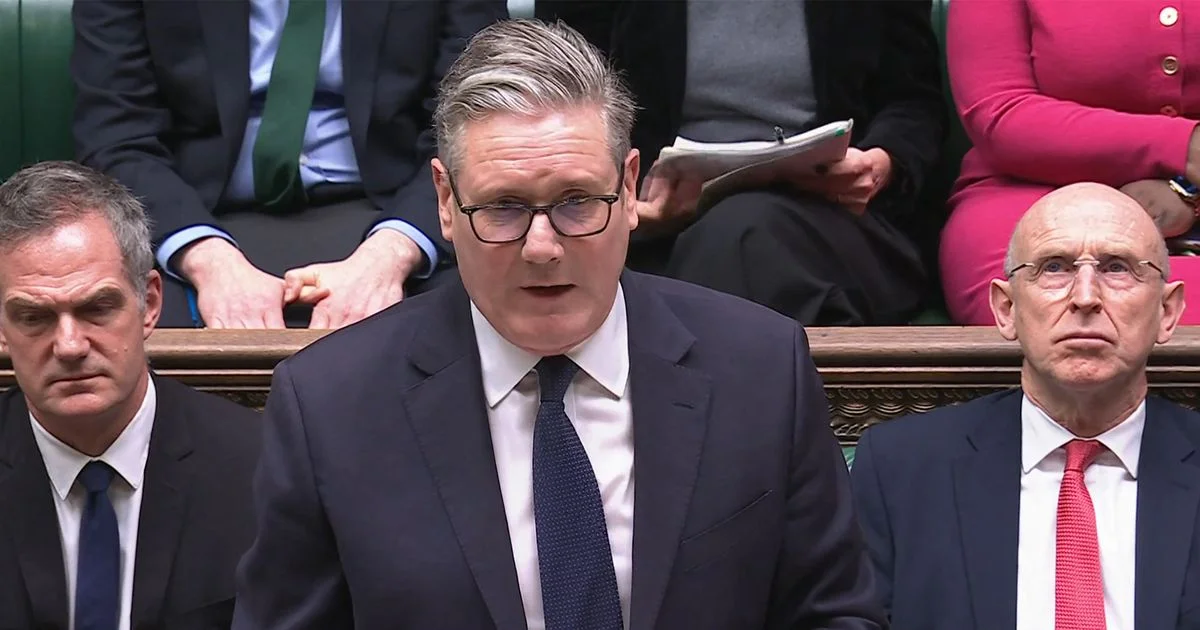
The exchange regarding staff dismissals, particularly the situation involving Matthew Doyle and prior statements by Starmer, forms a significant point of contention. Badenoch's questioning seems to focus on perceived inconsistencies in Starmer's handling of his team. The assertion that Starmer previously stated he had "full confidence" in an individual who was later removed from their position raises questions about leadership judgment and internal communication. Did Starmer's public statements align with his private actions concerning staff loyalty and accountability?
2. Leadership and Public Perception
Sir Iain Duncan Smith's remarks about Starmer's definition of "working class" touch upon broader issues of leadership identity and public connection. The debate over what constitutes "working people" and the perceived authenticity of Starmer's claims about his background are elements that opposition parties often use to challenge a leader's credentials. To what extent do these discussions about identity and class influence public perception of Starmer's leadership effectiveness?
3. Performance and Policy Debates
Past PMQs sessions, such as those in December 2025 and June 2025, reveal a consistent pattern of Kemi Badenoch challenging Labour's economic and policy performance, particularly on issues like unemployment and defence. Starmer, in turn, has defended his government's record by highlighting job creation and strategic initiatives. This ongoing debate over policy effectiveness suggests a core battleground where each leader seeks to portray the other's agenda as failing.
Expert Analysis
While direct expert analysis is not present in the provided data, the recurring nature of these exchanges at Prime Minister's Questions suggests a strategic approach by the Conservative opposition to highlight perceived vulnerabilities in Keir Starmer's leadership. The focus on staff loyalty, public image, and policy outcomes appears to be a consistent line of attack. The description of one such session as the "worst week of his premiership" indicates that these parliamentary confrontations can have a tangible impact on a leader's standing.
Conclusion and Implications
Keir Starmer's appearance at Prime Minister's Questions to face Kemi Badenoch occurs at a time of significant internal and external pressure. The recurring themes of staff accountability, leadership perception, and policy performance suggest that Starmer is being strategically challenged on multiple fronts. The reports indicate a period of heightened scrutiny for Starmer, with his responses to these challenges likely to shape perceptions of his leadership. The consistency of these exchanges across various dates points to an ongoing political narrative being actively constructed by the opposition.
Read More: Gen Z's Big Test: Can Young Voters Change Bangladesh?
Most Used Sources:
The Guardian: Published 3 hours ago. Provides live updates on PMQs, focusing on the confrontation between Starmer and Badenoch and referencing statements made by Badenoch regarding staff confidence and dismissals. https://www.theguardian.com/politics/live/2026/feb/11/pmqs-keir-starmer-kemi-badenoch-labour-matthew-doyle-peter-mandelson-latest-news-updates
BBC News: Published 1 hour ago. Offers live coverage of PMQs, noting Starmer's participation as the session begins. https://www.bbc.co.uk/news/live/cm28y8ewdrrt
The Mirror: Published 59 minutes ago. Reports on Starmer facing MPs after a difficult week, detailing internal party calls for him to quit and the removal of a whip. Also mentions a specific incident involving Matthew Doyle. https://www.mirror.co.uk/news/politics/pmqs-live-keir-starmer-face-36704335
The Telegraph: Published 3 hours ago. Features Starmer facing Badenoch at PMQs and includes commentary from Sir Iain Duncan Smith regarding Starmer's remarks on his working-class background. https://www.telegraph.co.uk/politics/2026/02/11/politics-latest-news-keir-starmer-kemi-badenoch-pmqs-labour/?msockid=33ea86758afc66a81faf90888bcd67cb
Read More: UK Economy Grows Very Slowly at End of 2025