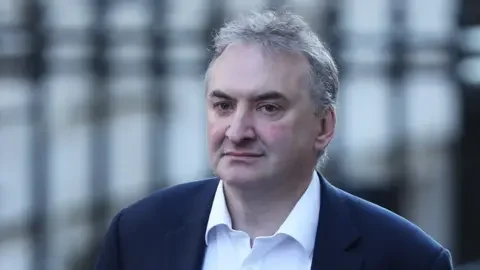
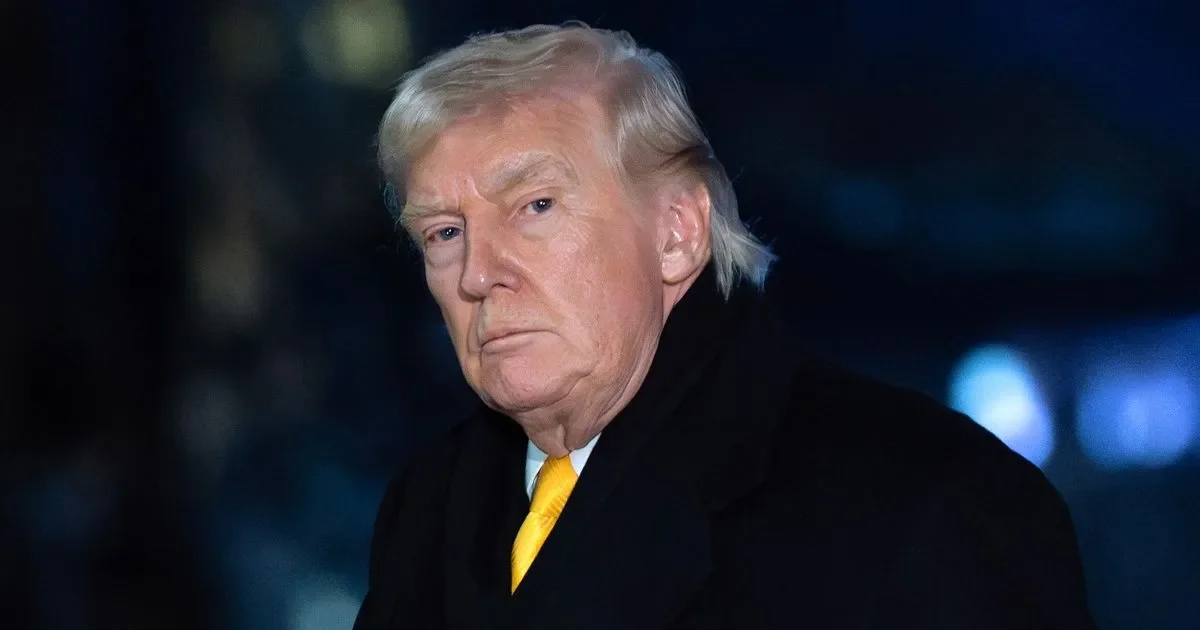
London, UK – The political landscape is experiencing significant shifts as Keir Starmer, leader of the Labour Party, signals a renewed offensive following a period of internal dissent and external challenges. Amidst calls for his resignation and broader party infighting, Starmer has declared the start of a "phase two" for his government, indicating a strategic recalibration. This move comes as the party confronts various pressures, including a resurgent far-right and scrutiny over its policy direction and leadership. The coming weeks are expected to reveal the efficacy of Starmer's strategy to unify his party and project a stronger image to the electorate.

Mounting Pressures on Party Leadership
Recent events highlight a period of significant tension within the Labour Party, directly impacting Keir Starmer's leadership.

Internal Dissent and Resignations: The party has experienced a wave of internal upheaval. The resignation of Morgan McSweeney, Starmer's close advisor, and subsequently Tim Allan, his director of communications, points to a struggle for control and strategy.
Calls for Resignation: Anas Sarwar, the Scottish Labour leader, publicly urged Keir Starmer to step down. This demand stemmed from widespread anger concerning the appointment of Peter Mandelson as the US ambassador, which some felt damaged the party's standing.
Public Criticism from Within: Earlier exchanges revealed candid criticism from within Starmer's circle. Streeting openly questioned the government's growth strategy and Starmer's communication abilities, underscoring perceived weaknesses that threatened his leadership ambitions.
External Challenges and Strategic Response
Beyond internal friction, Keir Starmer's leadership is being tested by external political forces and significant public events.
Read More: MDMK Wants More Seats to Get Official Recognition

Resurgent Far-Right: Keir Starmer has publicly stated that the UK faces the "fight of our times" in response to far-right protests. These demonstrations have seen police officers injured and arrests made, creating a charged atmosphere that the Labour leader is positioning himself against.
Economic Scrutiny: The party has faced criticism regarding its economic policies. Chancellor Rachel Reeves was notably criticized for a controversial decision to cut the winter fuel allowance for pensioners, a move that was later reversed. Speculation also surrounds potential tax increases in the autumn budget.
Declaration of "Phase Two": In response to these pressures, Keir Starmer has declared the commencement of "phase two" of his government. This declaration, made in conjunction with his first cabinet meeting since a Downing Street shake-up, suggests a concerted effort to reassert authority and redefine the party's agenda. Reports indicate that changes within Downing Street are aimed at giving Starmer more influence over upcoming budget decisions.
Affirmation of Support and Unity
Despite the visible challenges, there are indications of efforts to bolster Keir Starmer's position and foster party unity.
Read More: Many People Still Waiting Long Times for NHS Hospital Care

Pledge of Increased Support: A close cabinet ally of Keir Starmer has vowed to increase support for the leader, aiming to counter threats from opposing parties like Reform UK and the Conservatives. This commitment is framed as a desire to see Starmer succeed in the face of these electoral challenges.
Highlighting Policy Achievements: Allies are working to showcase Starmer's commitment to ordinary people by highlighting legislative efforts such as the Hillsborough Law, the Employment Rights Bill, and improvements for renters.
Plea for Cabinet Unity: Following periods of infighting, Keir Starmer has made a direct appeal for unity within his cabinet, seeking to present a more cohesive front to the public.
Analysis of Shifting Political Dynamics
The current environment suggests a period of strategic adaptation for the Labour Party under Keir Starmer's direction.
Read More: Gen Z's Big Test: Can Young Voters Change Bangladesh?
Reasserting Control: The emphasis on "phase two" and cabinet reshuffles appears to be a deliberate strategy to consolidate Starmer's authority. The move to centralize influence over the budget, for instance, could be an attempt to overcome past policy missteps and present a more unified economic plan.
Confronting External Threats: Starmer's strong stance against the far-right positions Labour as a bulwark against perceived societal division. This framing allows him to rally support around core values and define the upcoming political contest.
Navigating Internal Opposition: The public calls for resignation and internal criticisms highlight an ongoing battle for the party's direction. While Starmer has declared he is "not prepared to walk away," the persistent internal challenges indicate that unity remains a work in progress. The deputy leadership contest is noted as a crucial factor in the ongoing power dynamics.
Conclusion: A Party in Transition
The Labour Party, under Keir Starmer's leadership, is currently navigating a complex political terrain. Internal dissent, coupled with external pressures from rival political factions and societal unrest, has necessitated a strategic shift, signaled by the declaration of "phase two." While Starmer has publicly committed to continuing his leadership and is working to rally support, the efficacy of these measures remains to be seen. The coming period will be critical in determining whether Starmer can successfully unite the party, address public concerns, and effectively counter the challenges posed by opposing political forces. The outcome of these efforts will significantly shape Labour's prospects in future electoral contests.
Sources Used:
The Guardian: Reports on Keir Starmer's stance following calls for resignation and internal party issues.
https://www.theguardian.com/politics/2026/feb/09/keir-starmer-says-he-is-not-prepared-to-walk-away-after-call-for-resignation
HuffPost UK: Details a cabinet ally's pledge to increase support for Keir Starmer amidst political pressures.
https://www.huffingtonpost.co.uk/entry/exclusive-keir-starmer-cabinet-ally-pledges-to-ramp-up-support-for-embattled-pmuk691c606fe4b0414d84d75a04
New Statesman: Analyzes Keir Starmer's ongoing leadership struggle within the broader political context.
https://www.newstatesman.com/politics/labour/2025/09/farage-rises-burnham-watches-but-starmer-fights-on
Sky News: Reports on Keir Starmer's declaration of "phase two" following a cabinet meeting and Downing Street changes.
https://news.sky.com/story/starmer-to-hold-first-cabinet-meeting-since-no-10-shakeup-as-he-declares-start-of-phase-two-13423460
The London Economic: Features Keir Starmer's statement on facing a "fight of our times" after far-right protests.
https://www.thelondoneconomic.com/news/uk-faces-fight-of-our-times-after-far-right-protest-keir-starmer-says-398004/
The Guardian (via Magzter.com): Mentions Keir Starmer's vow of a fightback against division. (Note: Content was minimal or extraction failed, impacting depth.)
https://www.magzter.com/stories/newspaper/The-Guardian/STARMER-VOWS-FIGHTBACK-AGAINST-FARRIGHTFUELLED-DECLINE-AND-DIVISION
Read More: UK Economy Grows Very Slowly at End of 2025