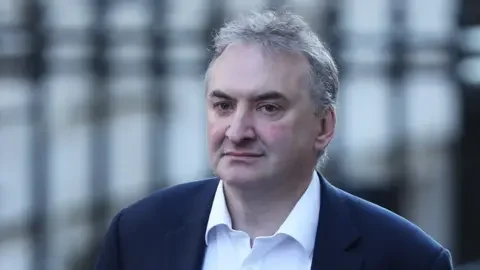
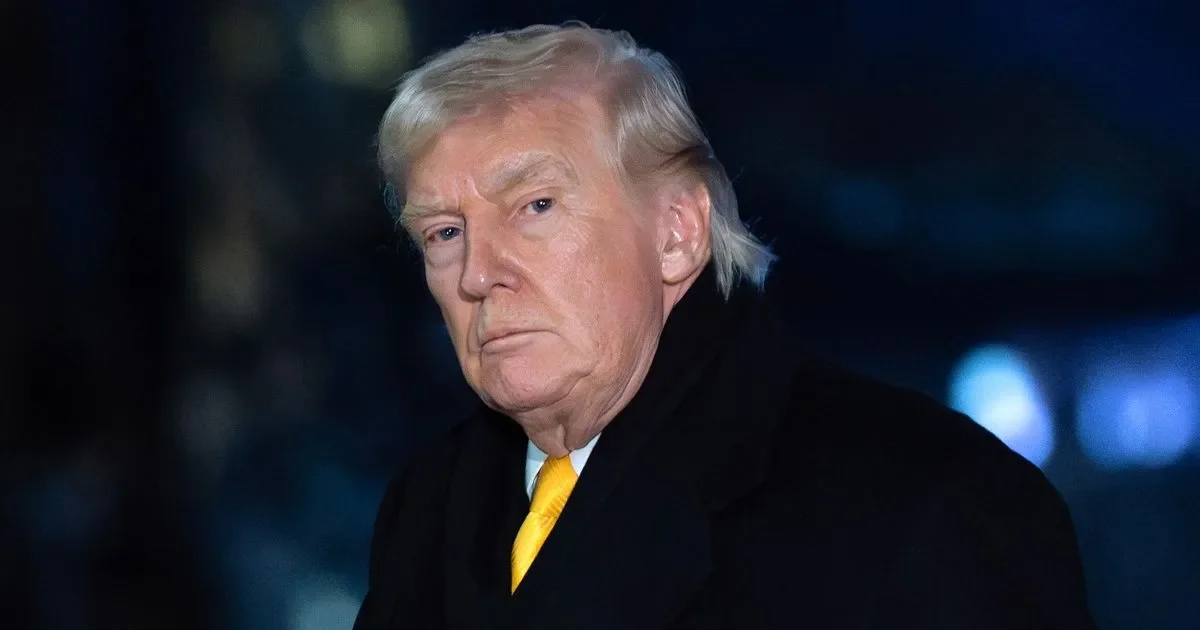
A significant political storm has engulfed the Labour Party, centered on Prime Minister Keir Starmer's leadership following revelations concerning Peter Mandelson's past associations and his appointment as US Ambassador. The crisis intensified with calls for Starmer's resignation, notably from Scottish Labour leader Anas Sarwar. Despite internal dissent and public scrutiny, Starmer has publicly declared his intention to fight on, supported by a show of unity from his Cabinet.
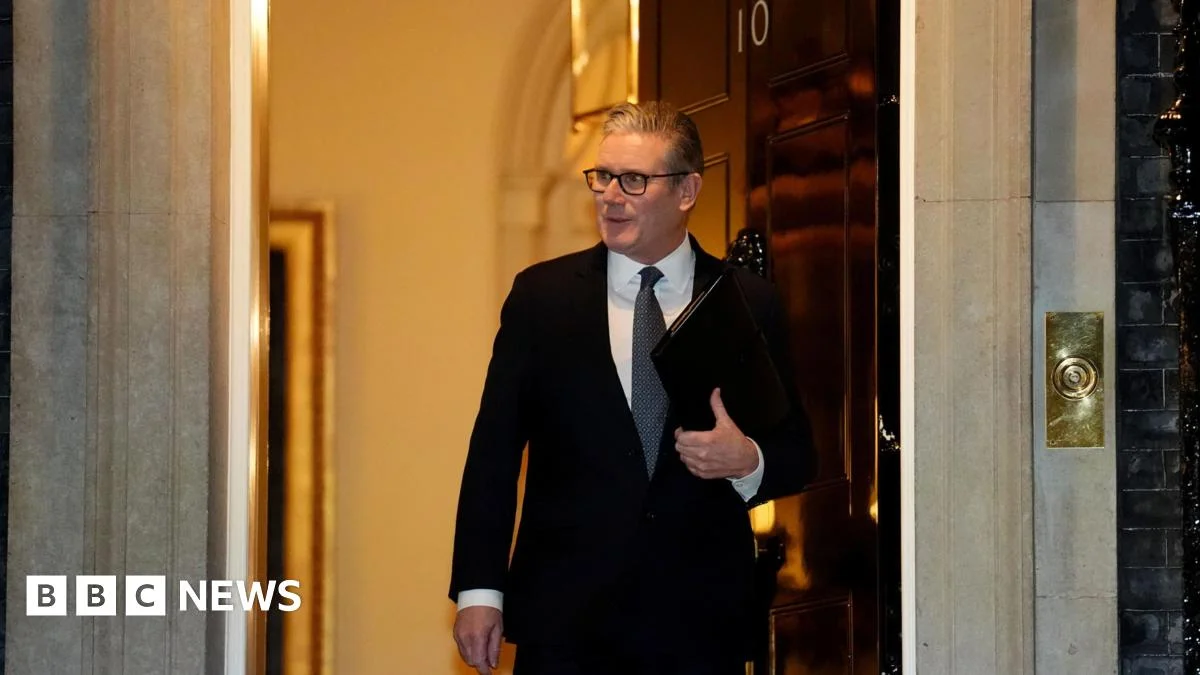
Timeline of Events and Key Figures
The recent period has been marked by considerable upheaval within the Labour Party and its government. The crux of the matter appears to be the appointment of Peter Mandelson as US Ambassador, a decision that has drawn sharp criticism due to Mandelson's known friendship with Jeffrey Epstein.
Sunday: The immediate trigger for Monday's turmoil was the resignation of Starmer's chief of staff, Morgan McSweeney. He reportedly took responsibility for advising Starmer on the Mandelson appointment. Tim Allan, executive director of communications, also stood down.
Monday: The pressure on Starmer escalated significantly when Anas Sarwar, leader of Scottish Labour, publicly called for Starmer to resign, a move that was later echoed by some Labour MPs. Starmer, however, addressed the Parliamentary Labour Party (PLP) asserting his resolve to remain in office.
Following Days: Starmer's Cabinet publicly rallied around him, issuing statements of support. Figures like Andy Burnham, Mayor of Greater Manchester, and Angela Rayner, former Deputy Leader, voiced backing for Starmer, though some, like Burnham, urged for greater boldness and inclusivity.
Read More: MDMK Wants More Seats to Get Official Recognition
The controversy has brought into sharp focus the Labour Party's internal dynamics and the public perception of its leadership. The party's recent history, including its return to power less than two years ago, adds a layer of significance to these internal struggles.

Evidence of Turmoil and Resilience
Reports indicate a period of intense pressure on Keir Starmer's leadership, stemming from the Mandelson-Epstein connection and subsequent internal dissent.
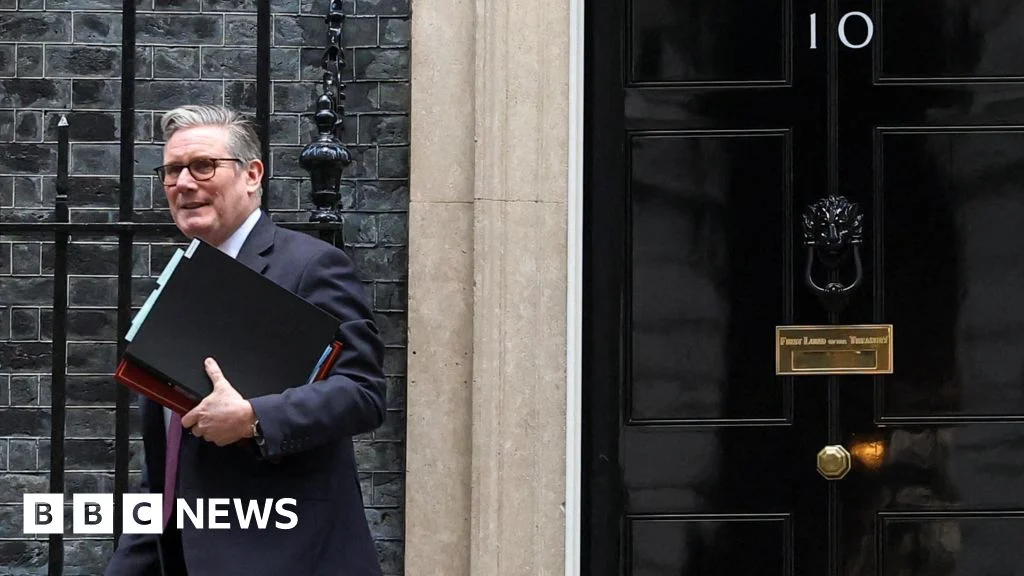
Public Calls for Resignation: Anas Sarwar's direct call for Starmer to step down was a pivotal moment, as he is described as the "most senior Labour figure" to make such a demand. This action appeared to precipitate a flurry of supportive statements from Starmer's Cabinet.
Internal Dissent and Anger: Several reports highlight the existence of internal Labour dissent, with MPs expressing "bafflement" and "anger." The Tribune group of over 100 MPs had reportedly long called for the departure of McSweeney, who resigned amidst this fallout. Some MPs believe Starmer's downfall is "eventual," even if the party appears "united, for now."
Starmer's Defiance: In response to the pressure, Starmer has adopted a defiant stance. He has publicly stated he is "not prepared to walk away" and has "won every fight I've been in." He addressed MPs, asserting his determination to remain in his position.
Cabinet Support: In the wake of Sarwar's call, a stream of supportive statements from Starmer's Cabinet members emerged. This public display of unity was seen as crucial in weathering the immediate threat to his leadership.
Resignations: The departures of Morgan McSweeney and Tim Allan are cited as direct consequences of the escalating crisis. McSweeney's resignation, in particular, is seen as having "dangerously exposed" Starmer.
Mandelson Appointment Scrutiny: Starmer's admission that he knew of Mandelson's friendship with Epstein before the appointment is identified as a "clarifying moment" for some MPs. The Metropolitan Police's action to block the release of certain documents related to this matter adds further complexity.
Internal Party Dynamics and Leadership Questions
The events of the past few days have illuminated deeper currents of discontent and debate within the Labour Party regarding its direction and leadership.
Calls for Bolder Leadership
Andy Burnham's Stance: The Mayor of Greater Manchester, Andy Burnham, has publicly backed Starmer but has also urged for a more bold and inclusive approach. He expressed a "frustration that the private Keir we know hasn’t been sufficiently on display to the public." Burnham’s perspective suggests a desire for Starmer's public persona to better reflect his perceived personal commitment to the country's needs.
Ed Miliband's Critique: Ed Miliband praised Starmer's private commitment but also stated that "the country had not changed ‘enough’ for the better under the Labour Government." He called for the party to "work out how to be bolder." This sentiment indicates a perceived need for more ambitious policy initiatives.
Factionalism and Cabinet Reshuffle
Soft Left Proposals: The "soft left" faction of the Labour Party, represented by groups like the Tribune group, has called for Keir Starmer to reshuffle his cabinet. This is proposed as a means to end "infighting" and strengthen the party's direction.
Desired Returns: Specific calls have been made for the potential return of figures like Angela Rayner, Louise Haigh, and Lucy Powell to cabinet positions, suggesting a desire for broader representation and perhaps a shift in political emphasis within the party's senior ranks.
Mechanisms for Leadership Change
Lack of Clear Succession: Despite considerable pressure and ongoing "anger" among some Labour MPs, there is a recognized absence of an "obvious successor" to Keir Starmer. Furthermore, reports indicate that "there is not an easy mechanism for Labour MPs to remove a leader cleanly and quickly," suggesting that internal challenges may not always lead to swift resolutions.
Analysis of Starmer's Survival Strategy
Keir Starmer's survival through this leadership crisis appears to be a result of several converging factors, including his own resolve, a concerted effort by his administration, and the internal political landscape of the Labour Party.
Demonstrating Resolve and Unity
Public Defiance: Starmer's repeated assertion that he is "not prepared to walk away" and will "never walk away" has been a central plank of his defense. This tenacity serves to project an image of strong leadership, even under duress.
Cabinet Rallying: The public statements of support from his entire Cabinet, coordinated in timing with or immediately following the calls for his resignation, created a powerful visual of party unity. This collective endorsement aimed to isolate dissent and present a united front to the public and party members.
Addressing the PLP: Starmer's address to the Parliamentary Labour Party was intended to reaffirm his control and rally his MPs. Reports suggest that this meeting helped to "put to bed any idea of any challenge against his leadership," at least in the immediate aftermath.
Strategic Management and External Support
Downing Street Operations: Accounts suggest that Downing Street officials were actively engaged in managing the crisis. Reports mention "Downing Street officials started making calls," indicating a strategic effort to shore up support and counter the narrative of instability.
Limited Public Visibility of Dissent: While internal dissent exists, the public manifestations of it have been largely confined to specific individuals like Sarwar. The apparent failure of a broader, coordinated attempt at ministerial resignations suggests that the immediate threat, though significant, did not materialize into a full-blown revolt.
Public Scrutiny of the Opposition: While not directly an action by Starmer's team, the crisis unfolded amidst ongoing scrutiny of the Labour government's performance. This broader political context may have influenced the calculation of those considering challenging Starmer.
Future Challenges and Perceptions
Perception of Crisis Management: While Starmer has "survived," the underlying issues and the perception of "turmoil" remain. The events have led to calls for greater transparency and a more proactive approach to governance.
"Scraping Barnacles": One analysis describes Starmer's approach as "scraping barnacles off a boat," suggesting a strategy of addressing immediate problems and policy reversals rather than a bold, new direction. This might be perceived as reactive rather than visionary by some within the party.
U-Turns and Loyalty: Recent "policy reversals" are noted as having a "damaging effect on loyalty within the parliamentary party," indicating that the current approach, while stabilizing, may not be fully resolving internal tensions.
Conclusion: A Moment of Respite, Not Resolution
Keir Starmer appears to have successfully navigated an immediate and severe challenge to his leadership. The convergence of his own public defiance, a strong show of support from his Cabinet, and the apparent lack of a unified front among those seeking his ouster has allowed him to weather the storm. The resignation of key aides, notably his chief of staff, and the public criticism from within his own party, underscore the gravity of the situation.
Read More: Thomas Partey Denies Rape and Sexual Assault Charges
However, the underlying issues, particularly concerning the Mandelson appointment and its implications, have not been fully resolved. The calls for greater boldness and inclusivity, voiced by figures like Andy Burnham and Ed Miliband, suggest that deeper debates about the party's direction and Starmer's public communication style will persist. The existence of internal dissent and the perceived absence of an easy mechanism for leadership change create a complex dynamic.
The coming days and weeks will likely see continued efforts by Starmer to reassert control and address internal divisions. The emphasis on unity, however fragile, has provided a temporary reprieve. The extent to which Starmer can translate this survival into a more robust and forward-looking administration remains the central question.
Key Sources:
The Independent: "Starmer thanks ‘strong and united’ Cabinet after day of turmoil"
Context: Reports on the immediate aftermath of the leadership challenge, focusing on Starmer's messaging and Cabinet solidarity.
Link: https://www.independent.co.uk/news/uk/home-news/prime-minister-ed-miliband-mps-keir-starmer-scottish-labour-b2917482.html
The Guardian: "Andy Burnham backs Starmer but urges him to be bolder and more inclusive"
Context: Details Andy Burnham's public support for Starmer while simultaneously advocating for a more inclusive and ambitious approach to leadership.
Link: https://www.theguardian.com/politics/2026/feb/10/keir-starmer-lead-moment-change-labour-turmoil-ed-miliband
Firstpost: "How Keir Starmer lived to see another day as UK PM in Labour’s biggest crisis yet"
Context: Explains the internal Labour dissent and the pressure on Starmer's leadership, linking it to the Mandelson and Epstein controversy.
Link: https://www.firstpost.com/explainers/how-keir-starmer-survived-labour-crisis-mandelson-epstein-explained-13978055.html
BBC News: "'I'm not prepared to walk away.' Starmer tells MPs as he fights for political survival after Mandelson scandal"
Context: Covers Starmer's defiant message to MPs and the sequence of events, including key resignations and Sarwar's call.
The Guardian: "How the Downing Street machine ensured Starmer survived to fight another day"
Context: Examines the behind-the-scenes operations by Downing Street officials to manage the crisis following McSweeney's resignation.
Link: https://www.theguardian.com/politics/2026/feb/09/how-the-downing-street-machine-ensured-starmer-survived-to-fight-another-day
Politico EU: "Britain’s crisis-hit Keir Starmer survives one more day"
Context: Provides an overview of Starmer's survival through a day marked by aide resignations and a leadership challenge, highlighting the Mandelson controversy.
Link: https://www.politico.eu/article/britain-crisis-prime-minister-labour-keir-starmer-survive/
The Guardian: "Starmer in fight to reassert control over Labour party after McSweeney exit"
Context: Focuses on Starmer's efforts to regain control after the departure of his advisor, Morgan McSweeney, amid anger over the Mandelson appointment.
Link: https://www.theguardian.com/politics/2026/feb/08/keir-starmer-labour-party-leadership-morgan-mcsweeney-exit
The Guardian: "Labour soft left urges Starmer to reshuffle cabinet to end infighting"
Context: Reports on calls from Labour's soft left faction for a cabinet reshuffle to address internal conflicts.
Link: https://www.theguardian.com/politics/2026/feb/10/labour-soft-left-tribune-group-urges-starmer-to-reshuffle-cabinet-to-end-infighting
The Guardian: "Starmer says he ‘will never walk away’ as Burnham joins Labour figures backing PM – UK politics live"
Context: Live updates on Starmer's position and the support he is receiving, including from Andy Burnham.
Link: https://www.theguardian.com/politics/live/2026/feb/10/keir-starmer-labour-leadership-uk-live-updates-politics-cabinet-latest-news
The Guardian: "Labour MPs say Starmer’s days as PM are numbered amid fury over Mandelson"
Context: Highlights warnings from Labour MPs that Starmer's time as Prime Minister is limited, driven by anger over the Mandelson appointment.
Link: https://www.theguardian.com/politics/2026/feb/04/labour-mps-say-starmer-days-as-pm-are-numbered-amid-fury-over-mandelson
BBC News: "Starmer latest: Defiant PM insists ‘I’ll never walk away from country I love’"
Context: Reports on Starmer's defiant stance and his insistence on not stepping down, in the context of ongoing political developments.
Link: https://www.independent.co.uk/news/uk/politics/starmer-resignation-latest-news-streeting-mandelson-epstein-b2917201.html
Read More: Gen Z's Big Test: Can Young Voters Change Bangladesh?