Recent reports indicate growing public and political unease surrounding Prime Minister Keir Starmer's leadership, particularly concerning shifts in his policy stances and key appointments. While Starmer secured a significant electoral victory, the margin of victory and his approval ratings have become subjects of intense examination. Evidence suggests a pattern of decisions that appear to diverge from earlier campaign promises, sparking criticism from various factions.

Evolving Political Landscape and Starmer's Mandate
Prime Minister Keir Starmer assumed office with a mandate to address public weariness with prior governance. However, his premiership has been characterized by debates over the substance of his policy positions and the perceived authenticity of his political evolution. Public sentiment, as reflected in commentary, suggests a disconnect between Starmer's electoral promises and his subsequent actions, leading to questions about his core principles.
Read More: MDMK Wants More Seats to Get Official Recognition
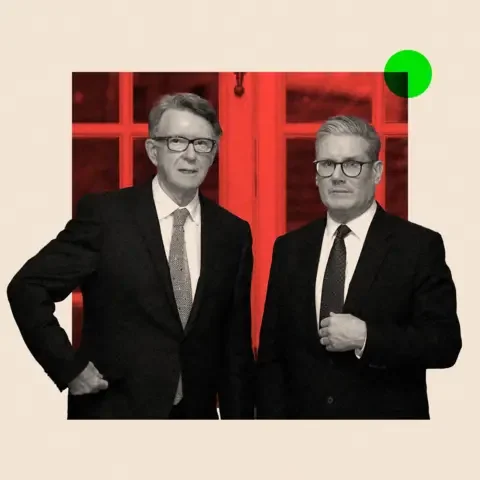
Campaign Promises vs. Governance: There is a recurring observation that Starmer's political platform has undergone notable adjustments since his election. This includes a perceived departure from stances on issues like trans rights and a broader approach to public services.
Electoral Performance: Despite a substantial parliamentary majority, the lower vote share associated with his victory has been highlighted as a point of concern by some analysts. This has led to interpretations of a mandate that is "light on voters."
Controversial Appointment Fuels Criticism
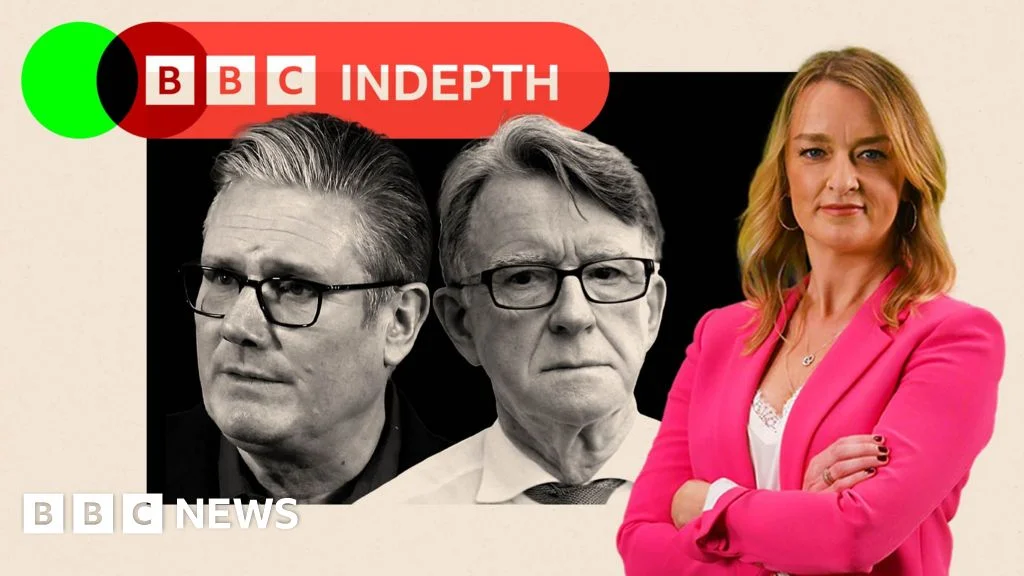
A significant point of contention has emerged regarding the appointment of Peter Mandelson to a diplomatic role. This decision has reportedly generated shock and anger among parliamentary colleagues and has been described as a predictable scandal.
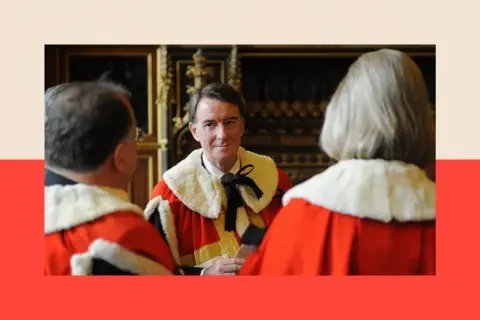
Known Associations: Reports indicate that Mandelson's past relationships with influential figures, including the wealthy and powerful, were well-documented. The claim is that Starmer was aware of these associations when the appointment was made.
Internal Objections: It is suggested that there were individuals within the Labour Party who had reservations about Mandelson's suitability for the role, and that concerns were also raised by the British Foreign Office. Despite these objections, Mandelson was reportedly championed for the position.
Accountability: Questions are being raised about Starmer's direct involvement in the decision-making process for this appointment. The argument is that as Prime Minister, he bears responsibility for the choices made under his leadership.
Public Perception and Political Strategy
Commentary suggests Keir Starmer is currently experiencing record low popularity for a Prime Minister in his position. This perception is further complicated by observations of his leadership style and strategic choices.
Read More: Many People Still Waiting Long Times for NHS Hospital Care
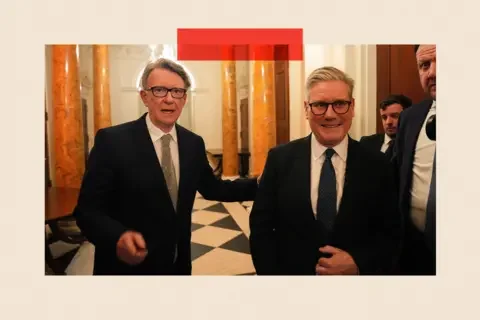
Perceived Pragmatism: Some analyses describe Starmer's approach as one that prioritizes expediency over fixed principles, suggesting that principles are set aside when they conflict with electoral success or public relations challenges.
Attacks on the Left: There is a view that Starmer and his close circle have actively distanced themselves from, or directly challenged, individuals on the left of the party. This is seen by some as a strategic error, particularly among those advocating for significant political change.
Intrigue and Complexity: Observers note Starmer's apparent inclination towards complexity and compromise, suggesting that his public persona can be difficult to fully grasp.
Expert Analysis and Observations
Political commentators have offered various interpretations of Keir Starmer's current standing and leadership trajectory.
"Keir Starmer is an empty vessel – a man for whom principles are fine until they interfere with getting elected." - The Spectator
"MPs are shocked and angry at Mandelson - but they're furious with Starmer… There were plenty of people inside the Labour Party who always thought it was a mistake." - BBC News
"Keir Starmer is the least popular prime minister on record, less than 18 months after being elected." - New Statesman
"Clearly, while Brits had grown tired of the Tory soap opera, they’re switching off from Starmer already." - The Spectator
Findings and Implications
The available evidence points to a period of heightened scrutiny for Prime Minister Keir Starmer. The appointment of Peter Mandelson has become a focal point for criticism, raising questions about judgment and political affiliations. Furthermore, Starmer's public approval ratings and the perceived evolution of his policy positions contribute to an atmosphere of doubt regarding his leadership's direction. The political discourse suggests that the gap between Starmer's campaign rhetoric and his actions as Prime Minister is a central theme in ongoing assessments of his tenure.
Sources
Financial Times: "Keir Starmer’s inconvenient truth" - Published 15 hours ago. https://www.ft.com/content/2e804ab3-6548-4658-8cbb-6a80f607f31a
The Spectator: "The troubling truth about Keir Starmer" - Published Jul 7, 2024. https://spectator.com/article/the-troubling-truth-about-keir-starmer/
The Guardian: "Let me explain why we can’t stand Keir Starmer | Letters" - Published Jan 5, 2026. https://www.theguardian.com/politics/2026/jan/05/let-me-explain-why-we-cant-stand-keir-starmer
BBC News: "MPs are shocked and angry at Mandelson - and furious with Starmer" - Published 2 days ago. https://www.bbc.com/news/articles/czej4ep882ko
RTE News: "Starmer's predictable scandal over Mandelson appointment" - Published Feb 7, 2026. https://www.rte.ie/news/uk/2026/0207/1557193-starmer-mcsweeney/
New Statesman: "Why is Keir Starmer so unpopular?" - Published Dec 23, 2025. https://www.newstatesman.com/politics/uk-politics/2025/12/why-is-keir-starmer-so-unpopular
The Observer (via AOL): "The private trials of Keir Starmer" - Seen on AOL. https://observer.co.uk/news/politics/article/keir-starmers-deep-regret-over-island-of-strangers-speech
Read More: Gen Z's Big Test: Can Young Voters Change Bangladesh?