Mounting Pressure on Starmer Following Controversial Appointments
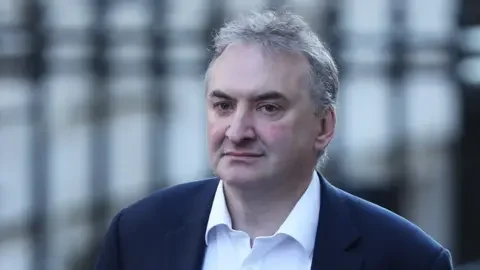
Prime Minister's Questions (PMQs) became a stage for sharp exchanges as Sir Keir Starmer faced pointed accusations regarding his judgment in appointing individuals with alleged links to individuals involved in child sexual abuse. The controversy centers on two figures: Lord Doyle, a former communications chief, and Lord Mandelson, a former ambassador, both of whom have faced scrutiny over their past associations. This situation has amplified existing questions about Starmer's leadership and decision-making processes within the Labour Party.

Timeline of Events and Key Figures
The current imbroglio involves a series of related events and individuals that have culminated in significant political pressure on Sir Keir Starmer.

Lord Doyle: Recently promoted to the House of Lords by Starmer, Lord Doyle had his Labour whip removed due to his past associations with a convicted sex offender. This connection reportedly surfaced late last year, but Starmer proceeded with the peerage appointment just two weeks prior to the whip's removal. Doyle himself issued an apology, stating he believed the individual in question was innocent at the time of his campaigning.
Lord Mandelson: The controversy also involves Lord Mandelson, who resigned from the Labour Party amid revelations of his friendship with Jeffrey Epstein, a convicted sex offender. Questions have been raised about the extent of Starmer's knowledge of this friendship prior to Mandelson's appointment as ambassador. Reports indicate Starmer made inquiries about Mandelson's links to Epstein before the appointment, and subsequently asked for his resignation. Downing Street stated the decision to remove Mandelson was made after further details of his communications with Epstein emerged.
Political Opposition: Tory leader Kemi Badenoch has been a vocal critic, using PMQs to challenge Starmer's judgment, particularly regarding the appointments.
Internal Party Dynamics: The situation has also exposed some internal party friction, with Health Secretary Wes Streeting publishing his communications with Lord Mandelson.
Evidence and Declarations
The accusations and defenses presented in public forums and official statements form the basis of the ongoing debate.
Read More: MDMK Wants More Seats to Get Official Recognition

Lord Doyle's Apology: In his apology, Lord Doyle stated, "I believed [Moray councillor Morton's] assertions of innocence at the time I campaigned for him." This admission comes after the councillor later admitted to possessing indecent images.
Starmer's Defense: Sir Keir Starmer has maintained that Lord Doyle did not provide a full account of his actions. In response to the broader issues, Starmer has also pointed to the government's work on violence against women and girls.
Government Stance on Mandelson: Downing Street indicated that the decision to dismiss Lord Mandelson was made after the full extent of his communications with Jeffrey Epstein became public. It is also reported that details of Epstein's emails were sent to the Foreign Office and passed to No. 10 on Tuesday, two days before Mandelson's dismissal.
Questions of Foreknowledge: Conservative MP Alex Burghart has questioned what and when Sir Keir knew about Mandelson's friendship with Epstein before publicly supporting him during PMQs. The Prime Minister and his chief of staff are facing scrutiny over whether they were aware of the full details of the communications before Starmer's statement.
The Mandelson Appointment and Knowledge Threshold
The circumstances surrounding Lord Mandelson's appointment as ambassador and the subsequent revelations about his relationship with Jeffrey Epstein have become a focal point.
Read More: Thomas Partey Denies Rape and Sexual Assault Charges

Initial Confidence vs. Later Dismissal: Sir Keir Starmer publicly stated his confidence in Lord Mandelson during PMQs. However, the following morning, Mandelson was dismissed. This shift has led to questions about the timing of information received by Starmer's office.
Epstein's Emails: The reporting of Epstein's emails, which reportedly urged Epstein to challenge his conviction, appears to have been a critical factor in the decision-making process.
Communication Flow: The disclosure that details of these emails were shared with the Foreign Office and No. 10 prior to Starmer's public defense of Mandelson raises the possibility of misleading statements made in the House of Commons.
Doyle's Peerage Timing: Separately, the fact that Lord Doyle's peerage was confirmed just two weeks before his Labour whip was removed adds another layer to the scrutiny of Starmer's vetting processes.
Judgement and Political Fallout
The core of the political attack on Sir Keir Starmer centers on his perceived failure in judgment regarding these appointments.
Read More: Gen Z's Big Test: Can Young Voters Change Bangladesh?
Accusations of "Catastrophic Lack of Judgement": Tory leader Kemi Badenoch has employed strong language, accusing Starmer of a "catastrophic lack of judgment." This highlights the impact of these controversies on Starmer's public image and authority.
Pressure on Leadership: The dual scandals have intensified existing leadership questions within the Labour Party, as reported by multiple news outlets. While the party has a history of internal dissent, removing a sitting leader is unprecedented.
Doyle's "Full Account": Starmer's assertion that Lord Doyle did not provide a "full account" suggests a perceived lack of transparency from the appointee, placing the onus back on Starmer's vetting.
Mandelson's "Clinging On": Reports indicate Lord Mandelson initially attempted to retain his position, adding a narrative of reluctance to step down, which in turn places Starmer in a position of having to force the issue.
Expert Analysis and Perspectives
Commentators and political analysts have offered various interpretations of the situation and its implications for Sir Keir Starmer.
Read More: New Files Show Sarah Ferguson and Prince Andrew Stayed Friends with Epstein
Vulnerability to Attack: The "two paedophile storms," as described, have left the government "wide open to attack from Tory leader Kemi Badenoch at PMQs." This indicates a strategic advantage gained by the opposition due to these controversies.
Questioning Political Judgement: Multiple analyses highlight that "serious questions remain about Starmer's political judgment." This suggests a pattern of concern rather than isolated incidents.
Mandelson's Past and Present: The situation involving Mandelson is described as a "storm," emphasizing the significant public and political ramifications of his reappointment and subsequent departure.
Internal Labour Dynamics: While not directly related to the appointments, the mention of Anas Sarwar calling for Starmer to resign in a separate context (Article 3) illustrates the broader landscape of leadership challenges Starmer may face.
Conclusion and Ramifications
The recent controversies surrounding appointments connected to Lord Doyle and Lord Mandelson have placed Sir Keir Starmer under considerable pressure. The allegations of poor judgment, coupled with the detailed revelations about Mandelson's associations with Jeffrey Epstein, have provided significant ammunition for political opponents.
Read More: Minister Asks to Stop Firing Top Civil Servant While New Papers Come Out
Vetting Procedures: The incidents raise substantial questions about the effectiveness and thoroughness of the vetting processes employed for appointments within Starmer's orbit.
Leadership Accountability: The repeated instances of controversy and the public defense followed by dismissals have directly impacted perceptions of Starmer's leadership and decision-making capabilities.
Political Vulnerability: The timing of these issues, particularly in the lead-up to or during significant political events, can exacerbate their impact, making Starmer and the Labour Party vulnerable to sustained political attack.
Next Steps: The ongoing scrutiny suggests that further examination of Starmer's appointments and vetting protocols is likely. The opposition's continued focus on these matters will likely persist, demanding greater transparency and accountability.
Key Sources Used
Huffington Post: Reporting on Lord Doyle's peerage and the immediate aftermath.
https://www.huffingtonpost.co.uk/entry/pmqs-starmer-attacked-for-giving-peerage-to-paedophile-apologistsuk698c725be4b01dbafe654ba6?61
London Press: Details Starmer's PMQs clashes and mentions both Doyle and Mandelson controversies.
https://londonpress.info/starmer-accused-of-catastrophic-lack-of-judgement-over-jobs-for-paedophile-supporters-in-angry-pmq-clashes/
Sky News: Discusses Starmer's political judgment in the context of recent scandals.
https://news.sky.com/story/starmer-ousted-mandelson-quickly-but-questions-remain-about-his-political-judgement-13428934
BBC News: Covers Starmer's leadership questions following Mandelson's sacking.
The Conversation: Analyzes the extent of trouble Keir Starmer is in amidst crises.
https://theconversation.com/how-much-trouble-is-keir-starmer-in-275292
The Sun: Reports on accusations that Starmer may have misled the House of Commons regarding Mandelson's emails to Epstein.
https://www.thesun.co.uk/news/36695864/kemi-badenoch-starmer-mandelson-emails-epstein/
Read More: Champion Horse Constitution Hill Tries New Race Type