


A World of Speed on Ice
The upcoming Winter Olympics in Milan-Cortina are fast approaching, bringing with them the thrill of speed skating. Beyond the roar of the crowd and the rush of wind, there's a subtle yet significant aspect to the sport: the names skaters give their blades. These aren't just pieces of metal; they are extensions of the athletes, carrying stories and personalities. From characters like Flash McQueen to more personal labels like "Beauty" or "Rocky," these nicknames reveal a deep connection between skaters and their equipment. The upcoming Games promise to showcase not only athletic prowess but also the intimate relationships forged between athletes and the tools that carry them to victory.
The Ice and the Athlete: A Deeper Look
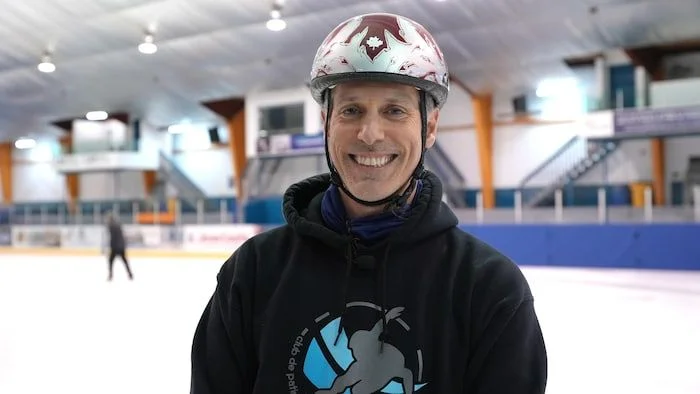
Speed skating, an Olympic sport since Chamonix in 1924, involves athletes racing against the clock on a 400-meter oval track. The discipline, which includes distances from 500 meters to 10,000 meters for men and 3,000 meters to 5,000 meters for women, demands incredible speed, with top athletes reaching over 60 km/h during peak acceleration. Safety is paramount, especially in short track speed skating, where the risk of falls is higher, necessitating mandatory helmets. The pursuit of speed is a complex equation involving precise ice conditions – temperature, humidity, and thickness – all carefully managed to create a fast and safe racing surface.
Read More: Canadian Speed Skater William Dandjinou Aims for Olympic Gold After Fifth Place Finish
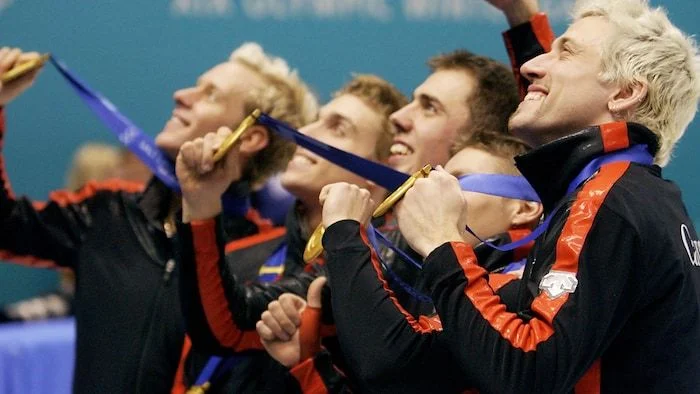
Core Disciplines: Speed skating encompasses various events, including individual races (500m, 1000m, 1500m, 5000m, 10000m for men, 3000m and 5000m for women) and team pursuits.
Historical Context: The sport has a long history, with races known in the Netherlands since the 17th century. Early skates were rudimentary, made from animal bones or tibias attached to boots.
Olympic Evolution: The sport has expanded over the decades, with new events like mass start and team pursuit being added.
Equipment and the Athlete's Edge
The blades used by speed skaters are highly specialized and represent a significant investment. A pair of skates can cost around 1,200 euros, with the blades themselves priced between 700 and 900 euros. This cost highlights the importance of these tools and underscores why skaters often develop such personal relationships with them.

Financial Commitment: The expense of high-performance equipment is substantial, with athletes and teams often needing to secure significant funding.
Technological Advancements: Modern blades are engineered for optimal glide and control, allowing skaters to achieve their fastest times.
Nicknames: More Than Just Words
The practice of naming blades is not merely a whimsical habit; it reflects the deep trust and reliance skaters place on their equipment. These names can be inspired by various sources:
Read More: Ina Forrest Aims for Gold Again at Milan Cortina 2026 Paralympic Games
Pop Culture: Figures like Flash McQueen suggest a desire for speed and a recognizable persona.
Personal Qualities: Names such as "Beauty" or "Rocky" might allude to the blade's performance characteristics or the skater's own mindset.
Longevity and Experience: A skater who has used a particular pair of blades for 18 months might develop a strong, lasting bond, leading to a personal nickname.
The French Speed Skating Scene
The French national team has undergone a significant transformation in recent years, moving from a period of struggle and criticism to a more professionalized setup. This "renaissance" includes improved training facilities and a greater focus on athlete well-being.
Past Challenges: For years, the French team lacked a dedicated 400-meter ice oval, forcing athletes to train in less-than-ideal conditions and incurring significant personal costs for ice time.
Recent Improvements: Investments have led to better living conditions and access to quality training venues, allowing athletes like Germain Deschamps to experience a level of comfort previously unimaginable.
Aspirations: The team is now aiming for its first Olympic medal in speed skating, a testament to their progress and dedication.
Artistic Skating: A Different Pace
While speed skating focuses on raw velocity, figure skating (patinage artistique) is a different Olympic discipline that involves technical artistry and expression.
Disciplines: Figure skating includes single skating (men's and women's), pair skating, and ice dance.
Performance Structure: Programs are divided into a short program with required elements and a free program with more creative choreography.
Olympic Aspirations: French athletes like Guillaume Cizeron and Laurence Fournier-Beaudry are notable competitors in ice dance, seeking Olympic success.
Expert Commentary
"The relationship a skater has with their blades is deeply personal. They are extensions of their body on the ice, and giving them a name is a way of acknowledging that connection, perhaps even imbuing them with a specific performance expectation or memory." – An unnamed former speed skating coach, speaking generally about athlete-equipment relationships.
Conclusion: More Than Just Equipment
The nicknames given to speed skating blades, from the fantastical like "Flash McQueen" to the more straightforward like "Beauty," are more than just personal quirks. They represent the intimate partnership between an athlete and their equipment, a bond forged through countless hours of training, shared sacrifices, and the relentless pursuit of speed. As the Milan-Cortina Olympics approach, these named blades will glide across the ice, carrying the hopes and efforts of skaters striving for glory. The French team's recent ascent from hardship to a serious medal contender also signals a broader positive trajectory for the sport, offering a promising outlook for future competitions.
Read More: Jordan Stolz Wins Second Olympic Gold in Speed Skating
Sources Used:
Le Journal de Montréal: "Jeux olympiques: quels surnoms les patineurs de vitesse donnent-ils à leurs lames?" - Provides examples of blade nicknames.
https://www.journaldemontreal.com/2026/02/14/jeux-olympiques—quels-surnoms-donnent-les-patineurs-de-vitesse-a-leurs-lames
Olympics.com: "Patinage de vitesse olympique | Jeux Olympiques d'hiver de Milano Cortina 2026" - Offers general information about the sport and its Olympic context.
https://www.olympics.com/fr/milano-cortina-2026/sports/patinage-de-vitesse
Le Parisien: "JO d’hiver 2026 : à quelle vitesse patine Timothy Loubineaud, la fusée française ?" - Details athlete speeds and performance records.
https://www.leparisien.fr/sports/JO/jo-dhiver-2026-5-km-en-6-minutes-des-pointes-a-53-kmh-la-fusee-timothy-loubineaud-ultra-rapide-sur-ses-patins-08-02-2026-CROTGT27AZDYPM6OF2M2ZISYZQ.php
France Info: "Jeux d'hiver 2026 : "Avant, le quotidien, c'était de la débrouille"… Comment l'équipe de France de patinage de vitesse a changé de dimension en trois ans" - Discusses the evolution of the French speed skating team and equipment costs.
https://www.franceinfo.fr/les-jeux-olympiques/patinage-de-vitesse/jeux-d-hiver-2026-avant-le-quotidien-c-etait-de-la-debrouille-comment-l-equipe-de-france-de-patinage-de-vitesse-a-change-de-dimension-en-trois-ans7751629.html
France Info: "Patinage de vitesse aux JO 2026 : température, humidité, épaisseur… L'équation complexe pour rendre une glace rapide" - Explains the factors contributing to fast ice conditions.
https://www.franceinfo.fr/les-jeux-olympiques/milan-cortina-2026/patinage-de-vitesse-aux-jo-2026-qu-est-ce-qui-rend-une-glace-rapide-et-propice-aux-records7785965.html
Wikipedia: "Patinage de vitesse aux Jeux olympiques — Wikipédia" - Provides historical data, disciplines, and medal counts for the sport.
https://fr.wikipedia.org/wiki/PatinagedevitesseauxJeuxolympiques
Le Monde: "Patinage de vitesse aux JO 2026 : l’équipe de France rêve d’une première médaille olympique, après une mue réussie et des années de « bidouillage »" - Details the French team's past struggles and recent improvements in training and facilities.
https://www.lemonde.fr/sport/article/2026/02/08/patinage-de-vitesse-aux-jo-2026-l-equipe-de-france-reve-d-une-premiere-medaille-olympique-apres-une-mue-reussie-et-des-annees-de-bidouillage66658743242.html
Équipe de France: "Patinage Artistique" - Describes the discipline of figure skating.
https://www.equipedefrance.com/discipline/patinage-artistique
Voici: "Jeux olympiques d'hiver 2026 : les patineurs français Guillaume Cizeron et Laurence Fournier-Beaudry validés par Madonna !" - Mentions French figure skaters competing.
https://www.voici.fr/celebrites/jeux-olympiques-d-hiver-2026-les-patineurs-francais-guillaume-cizeron-et-laurence-fournier-beaudry-valides-par-madonna-819282
Castres Sports Glace: "L'Histoire du Patinage" - Provides historical context for skating.
https://www.castres-sports-glace.com/histoiredupatinage.htm


