


The hum of engines, the blur of speed – motorways were once a symbol of progress. But for many of England's busiest arteries, the promise of "smart" technology has devolved into a costly, congested, and, dare we say, dangerous reality. Official reports are now raising alarming questions: were these multi-billion-pound projects a colossal miscalculation, sacrificing safety and economic sense at the altar of capacity? The evidence, buried in official documents, suggests a stark departure from the advertised benefits.
The very concept of a "smart" motorway was born from a desire to unclog Britain's roads and boost the economy. The idea was simple: convert the hard shoulder into a permanent live lane, controlled by overhead gantries and variable speed limits, to squeeze more traffic onto existing routes. This, we were told, would reduce journey times, ease congestion, and deliver significant economic returns. Yet, recent findings paint a vastly different picture, suggesting these schemes are not only failing to deliver on their economic promises but are actively worsening traffic flow and raising serious safety concerns.
Read More: Soham Killer Ian Huntley Dies After Prison Assault in HMP Frankland
The Core Promise: Increase road capacity, reduce congestion, and improve economic efficiency.
The Reality Unveiled: Reports suggest poor value for money, increased journey times, and economic losses.
The Unravelling of the Smart Motorway Dream
For years, the government has championed the expansion of "smart motorways" – a network of roads designed to manage traffic more efficiently by repurposing the hard shoulder. This ambitious undertaking, aimed at boosting capacity and easing congestion, has involved significant public investment.
The Evolution of "Smart": The initial rollout saw the removal of hard shoulders, with variable speed limits and digital signs guiding drivers. This was to be a technological marvel, optimizing traffic flow and responding dynamically to changing conditions.
The Hard Shoulder Debate: The conversion of the hard shoulder into a live running lane has been a central point of contention. Advocates argued it would unlock crucial capacity. Critics, however, warned of the inherent dangers of having stationary vehicles in a live traffic lane.
Past Incidents: This isn't the first time safety concerns have surfaced. Numerous accidents, tragically including fatalities, have been linked to the absence of a hard shoulder, particularly when vehicles break down or stop unexpectedly. Each incident fuels the growing unease.
The push for smart motorways intensified after several Post Opening Project Evaluation (POPE) reports began to surface, or rather, not surface. Campaigners and motoring organizations have been clamouring for the release of these POPE documents, which are meant to assess the performance and impact of these schemes after they have been operational for a period. The insistence on withholding these reports only amplifies suspicions that they contain unflattering truths about the effectiveness and safety of smart motorways.
The Troubling Data: Value for Money and Congestion
Official reports are now shedding a stark, and frankly, unwelcome light on the performance of England's smart motorways. The notion that these roads are delivering economic benefits appears to be crumbling under the weight of accumulating data.
Read More: Why night trains do not run on Saturdays in London
The core issue lies in the fundamental promise of "smart" motorways: to improve traffic flow and economic efficiency. However, the latest findings suggest the opposite is happening.

Economic Drain: The value for money assessment for most of these schemes is reportedly poor. This means the vast sums of taxpayer money invested are not yielding the expected economic returns. Instead, slowed journeys are contributing to economic losses.
Bottlenecks, Not Flow: Instead of easing congestion, many stretches of "smart" motorway are now creating more bottlenecks. This is a direct contradiction of their intended purpose.
West Yorkshire's Decline: Consider West Yorkshire, which has seen a staggering 6.0% drop in average speed since Covid. This isn't a minor hiccup; it represents a significant increase in journey times and frustration for drivers.
Wider Regional Impact: The problem isn't isolated. The West Midlands is also struggling, with a 7.8% decline in average speed since the pandemic. This suggests a systemic issue with how these roads are functioning, not just a localized problem.
| Area Impacted | Average Speed Decline (Since Covid) | Additional Impact |
|---|---|---|
| West Yorkshire | 6.0% | Increased journey times, economic impact |
| West Midlands | 7.8% (approx. 4 mph) | Worsening congestion, driver frustration |
| Overall | Indications of wider deterioration | Failure to meet stated economic and traffic goals |
This isn't just about a few minutes added to a commute; it's about a tangible economic cost to the nation. When journeys take longer, businesses suffer, productivity declines, and the overall economic engine sputters. Are we truly getting a "smart" system when it's making everything slower and more expensive?
Safety: A Growing Concern or a Managed Risk?
While National Highways maintains that most smart motorways have met their safety objectives, the nuance in their statements and the conflicting reports paint a more complex and troubling picture. The phrase "met their safety objectives" is a bureaucratic shield, but what do those objectives even mean when the human cost is so high?
Mixed Safety Records: Official reports reveal a mixed safety record. Specifically, there was a slight increase in the numbers killed or seriously injured on stretches of the M3 and the M1 (junctions 29-42). While described as "slight," any increase in fatalities on our roads is a profound cause for concern.
"Further Work" as an Admission? National Highways states it has since carried out further work to improve safety, including adding more emergency areas and technology to detect stopped vehicles. Doesn't this implicitly acknowledge that the initial design and implementation had safety shortcomings? Why wasn't this sufficient from the outset?
The Danger of Stopped Vehicles: The absence of a hard shoulder means that a stationary vehicle in a live lane becomes a deadly obstacle. This is the central fear for many drivers and a recurring theme in accident reports. How effectively can technology truly mitigate this fundamental design flaw?
The Hard Shoulder's Return: Motoring organizations like the AA are explicitly calling for the return of the hard shoulder. They argue it is crucial for giving confidence to drivers, both now and in the future. Is the current "smart" system truly offering confidence, or is it sowing seeds of anxiety?
The fundamental question remains: are we trading a known risk (the hard shoulder) for an unknown, potentially greater risk (stopped vehicles in live lanes)? And are the claimed safety benefits truly outweighing the documented dangers? The lack of transparency around certain reports suggests an unwillingness to confront these questions head-on.
Read More: Ian Huntley, Soham Killer, Dies After Serious Prison Attack in HMP Frankland
The Call for Transparency: Why the Secrecy?
A recurring theme in the unfolding narrative of smart motorways is the apparent reluctance to release crucial performance data. Campaigners and motoring bodies are not just asking for information; they are demanding it, fueling a growing suspicion that these withheld reports hold damning evidence.
Suppressed Reports? There's a strong belief among groups like the Transport Action Network that reports from National Highways have been suppressed. The motivation? They allegedly "cast further doubt on the safety and economic benefits of smart motorways."
The AA's Demand: The AA is vocally demanding the immediate publication of several unreleased Post Opening Project Evaluation (POPE) reports for All Lane Running (ALR) schemes. These are the very reports designed to assess real-world performance.
Lack of Curiosity? Chris Todd, director of the Transport Action Network, pointedly stated that the reports "display a remarkable lack of curiosity over how the danger has increased from vehicles stopped in live running lanes." This suggests a critique not just of the outcomes, but of the process and the investigative depth of the official reviews.
What Are We Not Being Told? Why are these reports, which are essential for understanding the true impact of these massive infrastructure projects, being held back? What specific findings are deemed too problematic to be made public? Are ministers more concerned with optics than objective truth?
This secrecy breeds distrust. When official bodies are perceived as withholding information that could expose flaws in a costly and potentially dangerous public initiative, it erodes confidence in the decision-making process. Drivers deserve to know the full story, not just the sanitised version.
Conclusion: A Road to Nowhere?
The picture emerging from these official findings is deeply concerning. What was presented as a modern, efficient solution to traffic woes appears to be a costly experiment that is failing on multiple fronts.
The Verdict: Most smart motorways are offering poor value for money, failing to significantly ease traffic, and, in some cases, exhibiting a worsened safety record.
Economic Burden: The failure to improve traffic flow translates directly into economic losses, costing the country valuable time and resources.
Safety Questions Linger: The inherent dangers of removing the hard shoulder, coupled with the increase in certain types of accidents, demand a more rigorous and transparent safety review.
The Call to Action: The continued demand for transparency, the call for the return of the hard shoulder, and the mounting evidence of poor performance suggest a critical re-evaluation of the smart motorway strategy is not just warranted, but urgently necessary.
The question is no longer if the smart motorway experiment has failed, but how badly it has failed, and what the government intends to do about it. Are we to continue down this path, or is it time to admit the shortcomings and explore alternative solutions that prioritise both safety and genuine economic benefit for all road users?
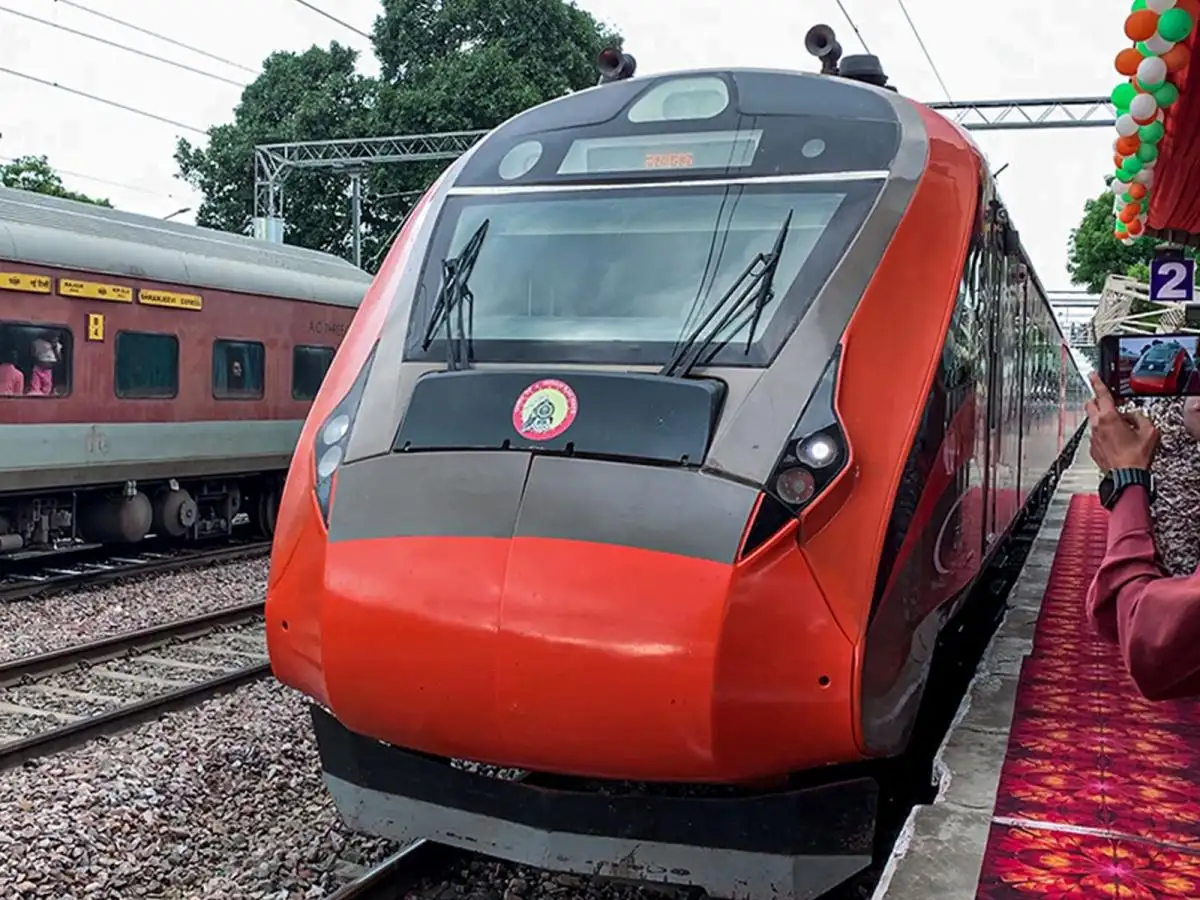
Read More: Kalaburagi-Bengaluru Vande Bharat Train Carries 5.7 Lakh Passengers in 2 Years
Sources:
The Guardian: Most of England’s smart motorways are poor value for money, official reports find - https://www.theguardian.com/uk-news/2026/feb/06/smart-motorways-poor-value-report-aa
Auto Express: UK road delays are officially getting worse! Tell us something we don’t know… | Auto Express - https://www.autoexpress.co.uk/news/367947/dangerous-smart-motorways-compound-uk-road-delay-crisis
The Guardian: UK ministers urged to release ‘withheld’ safety reports on smart motorways - https://www.theguardian.com/uk-news/2026/jan/23/ministers-urged-release-safety-reports-popes-britain-smart-motorways




/newsfirstprime/media/media_files/2025/09/20/bmrcl-2025-09-20-14-28-14.jpg)

