The 2026 Winter Olympics in Milan-Cortina are currently focused on several key sporting events, with particular attention on the men's skeleton competition where British athlete Matt Weston is a leading contender. Simultaneously, a significant controversy has arisen surrounding the disqualification of Ukrainian skeleton athlete Vladyslav Heraskevych, whose appeal has been rejected, raising questions about athlete expression and Olympic regulations.
Team GB's Medal Hopes and Sporting Developments
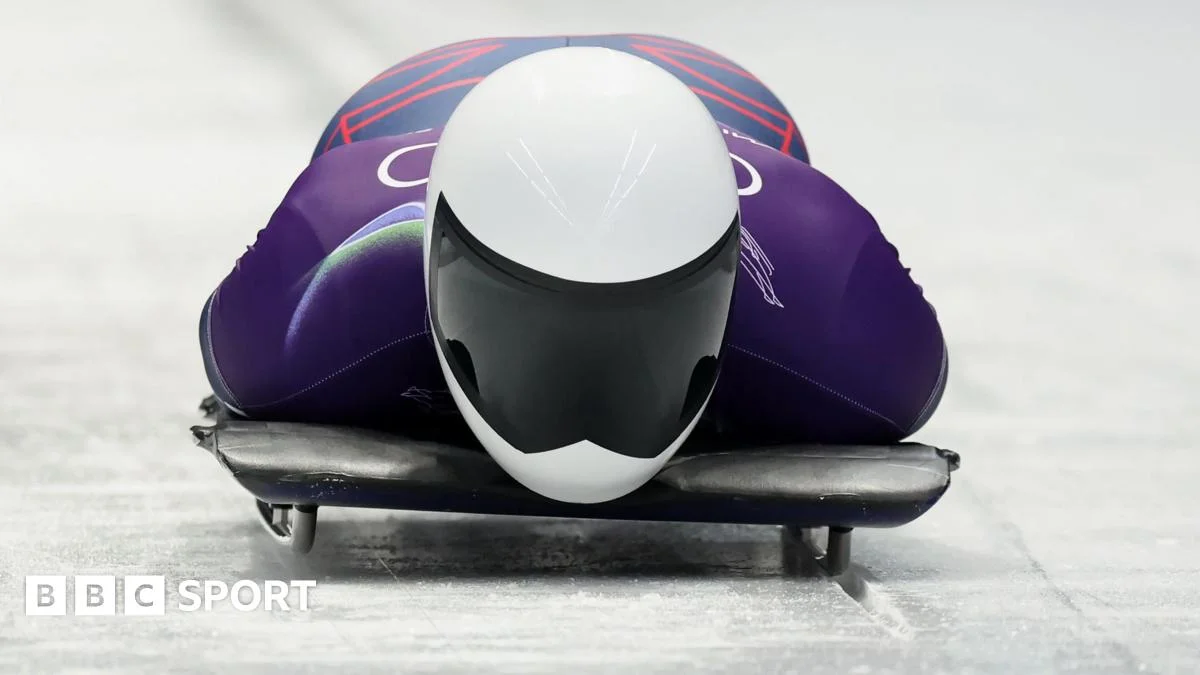
Team GB is seeking its first medal of the Games, with Matt Weston positioned as a strong candidate in the men's skeleton event. After two runs, Weston held the overnight lead, setting a track record and showing promising form for the final heats. His teammate, Marcus Wyatt, is also participating.
Other sporting events unfolding at the Olympics include:
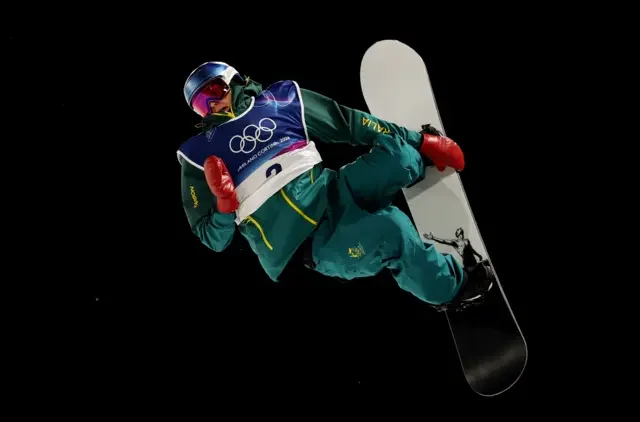
Snowboard Cross: Australia's Josie Baff secured gold, with Czechia's Eva Adamczykova taking silver and Italy's Michela Moioli earning bronze. Britain's Charlotte Bankes did not advance to the finals.
Curling: The GB men's curling team achieved a victory against Sweden, a rematch of the 2022 Olympic final. However, the GB women's curling team experienced a loss in their group stage opener against China.
Short Track Speed Skating: Italy's Arianna Fontana achieved a gold medal, with an observer noting her experience and mentorship of younger athletes.
Figure Skating: Ilia Malinin is reported to be on the brink of glory in his event.
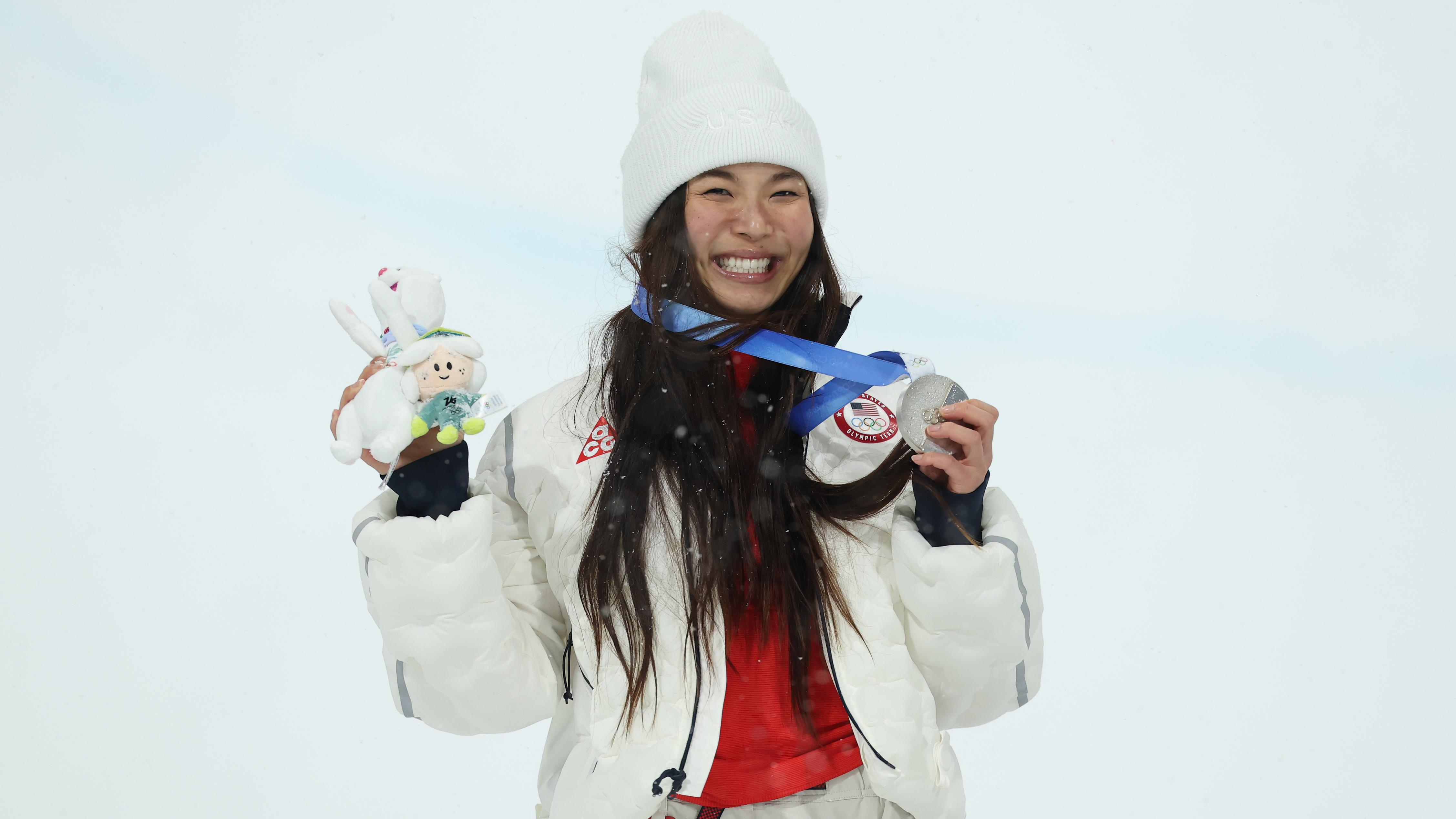
Snowboard Halfpipe: American athlete Chloe Kim narrowly missed a third consecutive gold medal, finishing behind South Korea's Choi Ga-on, a 17-year-old competitor.
The Disqualification of Vladyslav Heraskevych
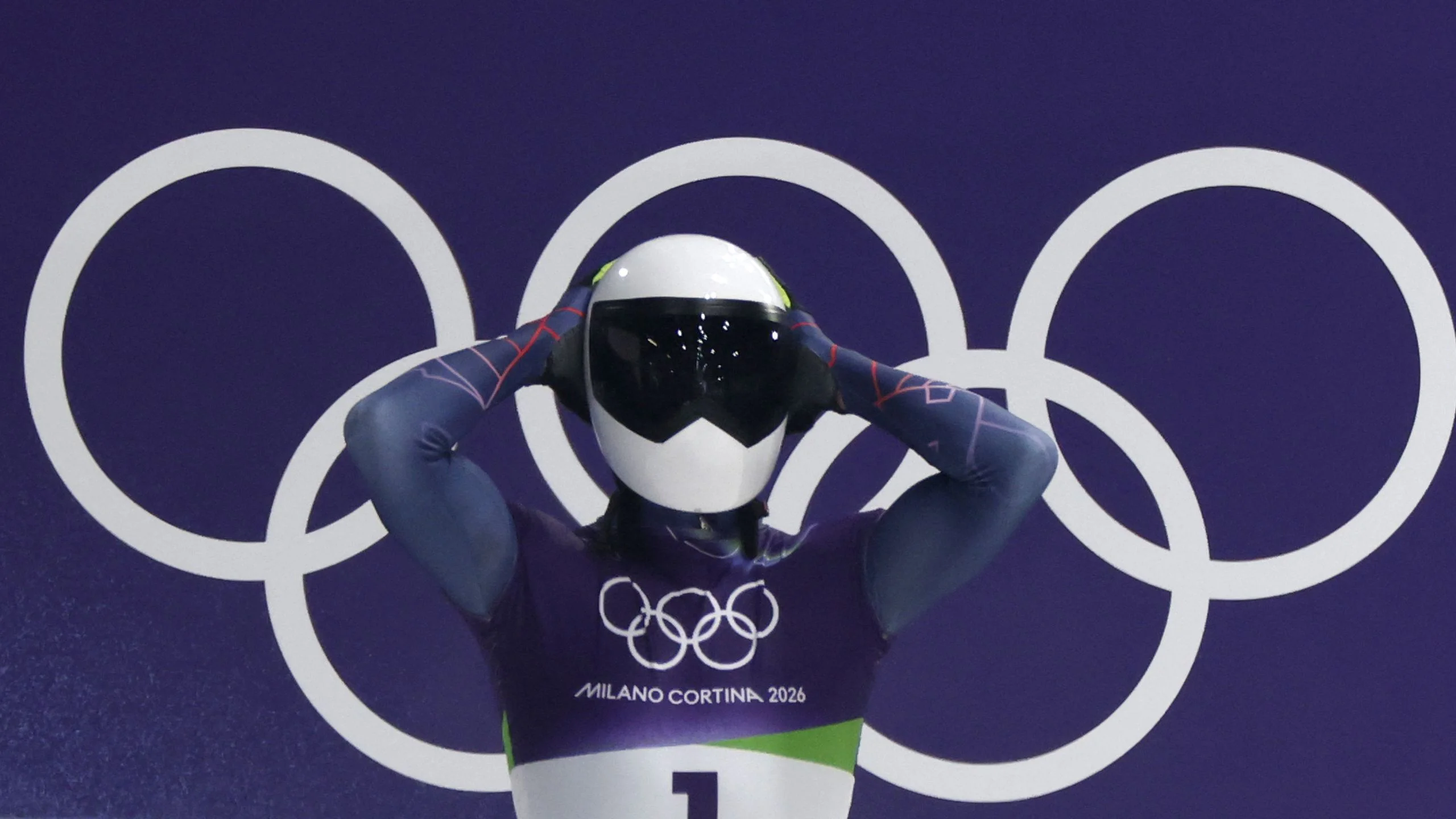
Ukrainian skeleton athlete Vladyslav Heraskevych was disqualified from competition due to his helmet, which featured images of athletes killed during Russia's invasion of his country.
Read More: Canada Plays Switzerland in Olympic Hockey
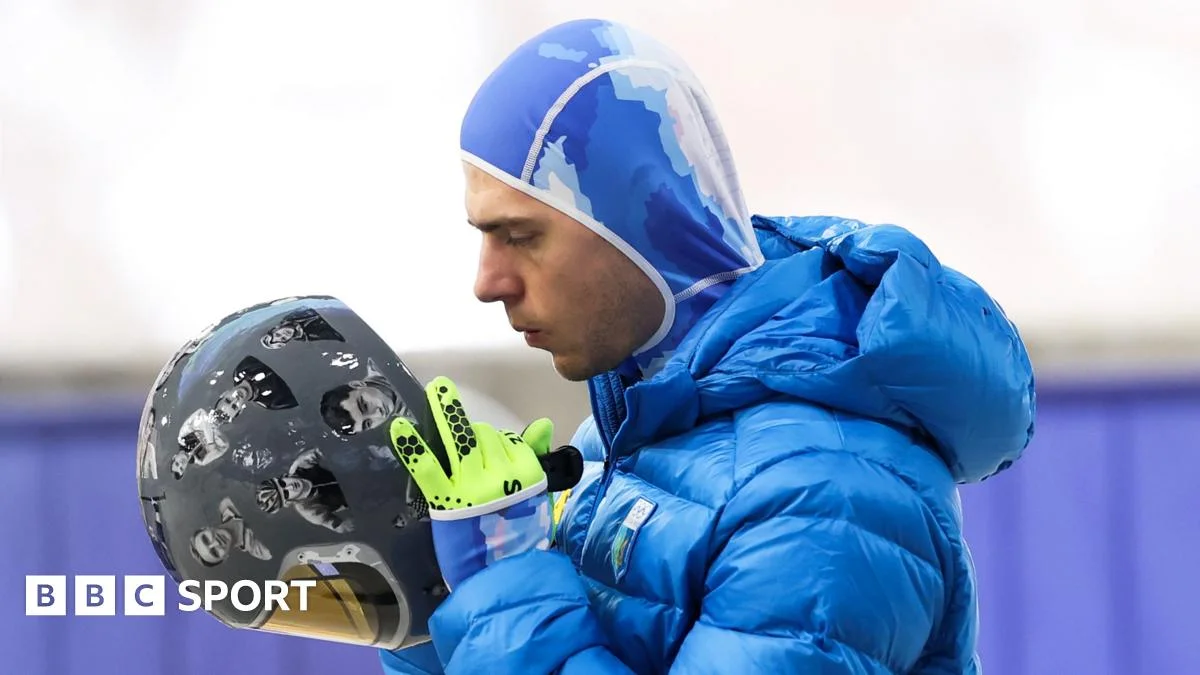
The International Olympic Committee (IOC) deemed the helmet's imagery to be in contravention of the Olympic Charter, citing rules regarding political statements.
IOC president Kirsty Coventry met with Heraskevych in an attempt to persuade him to change his helmet, but this effort was unsuccessful.
Heraskevych expressed feelings of "emptiness" and stated that he felt the IOC's decision played into Russia's propaganda.
His lawyer, Yevhen Pronin, conveyed disappointment regarding the outcome, framing the situation as a matter of athletes' freedom of expression and the scope of sports bodies' authority.
Despite the disqualification from competition, Heraskevych's accreditation was reinstated, allowing him to remain in Milano Cortina.
Heraskevych's Appeal and Repercussions
Following his disqualification, Vladyslav Heraskevych's appeal to the Court of Arbitration for Sport (CAS) was dismissed.
The CAS decision was reported as final, with Heraskevych's lawyer indicating no further recourse.
Even if the appeal had been successful, logistical challenges, including travel time between competition venues, were cited as potential barriers to his participation in subsequent heats.
The incident has drawn criticism from fellow athletes, with many expressing shock and support for Heraskevych. Some fellow competitors mentioned learning of his disqualification only after completing their own runs.
International Olympic Committee's Stance
The IOC has defended its decision regarding Heraskevych's helmet.
Read More: Chris Paul Stops Playing Basketball After 21 Years
IOC spokesperson Mark Adams stated that the organization could not take a stand against all countries involved in conflicts globally. He also emphasized the importance of adherence to rules to avoid "chaos."
The IOC denied any Russian involvement in their decision-making process concerning Heraskevych.
The committee maintained that its disciplinary commission had made the decision based on Heraskevych's refusal to alter his helmet, despite prior discussions.
Expert and Athlete Perspectives
The disqualification and subsequent appeal have ignited debate regarding the intersection of sport, politics, and individual expression.
Many fellow athletes expressed sympathy for Heraskevych, with some stating they were "shocked" by his disqualification.
Heraskevych himself viewed the helmet not as a political statement but as an act of remembrance.
The situation has been characterized as raising "tough questions" about the boundaries of athlete expression within the Olympic framework.
Conclusion and Future Implications
The 2026 Winter Olympics continue with significant athletic performances, notably Matt Weston's strong showing in skeleton. However, the disqualification of Vladyslav Heraskevych and the subsequent dismissal of his appeal highlight ongoing tensions between sporting regulations and athletes' personal expressions, particularly in the context of international conflict. The case prompts reflection on the IOC's application of its charter and the perceived limitations on athletes' freedom of speech during global sporting events.
Read More: Josie Baff Wins Gold in Snowboard Cross
Sources Used:
The Guardian: https://www.theguardian.com/sport/live/2026/feb/13/winter-olympics-2026-seven-gold-medals-up-for-grabs-gb-look-to-end-medal-drought-and-more-live
BBC Sport: https://www.bbc.com/sport/winter-olympics/live/cj6wg9g1eezt
The Guardian: https://www.theguardian.com/sport/2026/feb/12/team-gb-matt-weston-leads-golden-charge-skeleton-rivals-unite-behind-banned-ukrainian-winter-olympics
BBC Sport: https://www.bbc.com/sport/winter-olympics/live/cj4lgq70rwqt
TNT Sports: https://www.tntsports.co.uk/olympics/olympic-games-milano-cortina-2026/2026/liveevent.shtml
The Guardian: https://www.theguardian.com/sport/live/2026/feb/12/winter-olympics-2026-day-six-live-action
ESPN: https://www.espn.co.uk/olympics/story//id/47907611/2026-winter-olympics-team-gb-matt-weston-course-skeleton-gold-medal-sympathises-banned-ukraine-athlete
The Guardian: https://www.theguardian.com/sport/2026/feb/13/cas-dismisses-ukrainians-appeal-over-helmet-of-memory-disqualification
The Guardian: https://www.theguardian.com/sport/2026/feb/12/winter-olympics-briefing-vladyslav-heraskevych-helmet-dispute-raises-tough-questions
The Guardian: https://www.theguardian.com/sport/2026/feb/12/ukraine-vladyslav-heraskevych-disqualified-winter-olympics-skeleton-helmet-protest-war-deaths
The Telegraph: https://www.telegraph.co.uk/winter-olympics/2026/02/12/winter-olympics-2026-ukrainian-skeleton-helmet-ioc/
Express Sport: https://www.express.co.uk/sport/othersport/2169860/winter-olympics-live-weston-wyatt