The internet's content distribution system is undergoing a radical shift, driven by the proliferation of short-form video clips. These bite-sized pieces of content, often repurposed from longer videos, have become a dominant force in digital marketing and a cornerstone of online celebrity, creating a new economic ecosystem known as the 'clipping economy'. Major content creators, such as MrBeast, leverage services from companies like Clipping to transform their extensive YouTube content into a constant stream of viral material for platforms like TikTok and Instagram Reels. This strategy allows them to maintain a pervasive online presence and engage audiences across multiple channels without the need for extensive original content production for each platform.

The effectiveness of this model stems from its ability to bypass traditional advertising restrictions. By creating content that looks organic rather than explicitly promotional, 'clipping campaigns' can sidestep the limitations of ad systems. This approach is particularly attractive to industries like fintech and cryptocurrency, where young, highly engaged audiences spend significant time on short-form video platforms. Brands in these sectors utilize clipping to generate engagement metrics that align with their marketing objectives, often employing specialized agencies or "clipping farms" to produce and distribute this content at scale.
Read More: Today Show Digital Content: Wellness, Recipes, Jokes on June 7
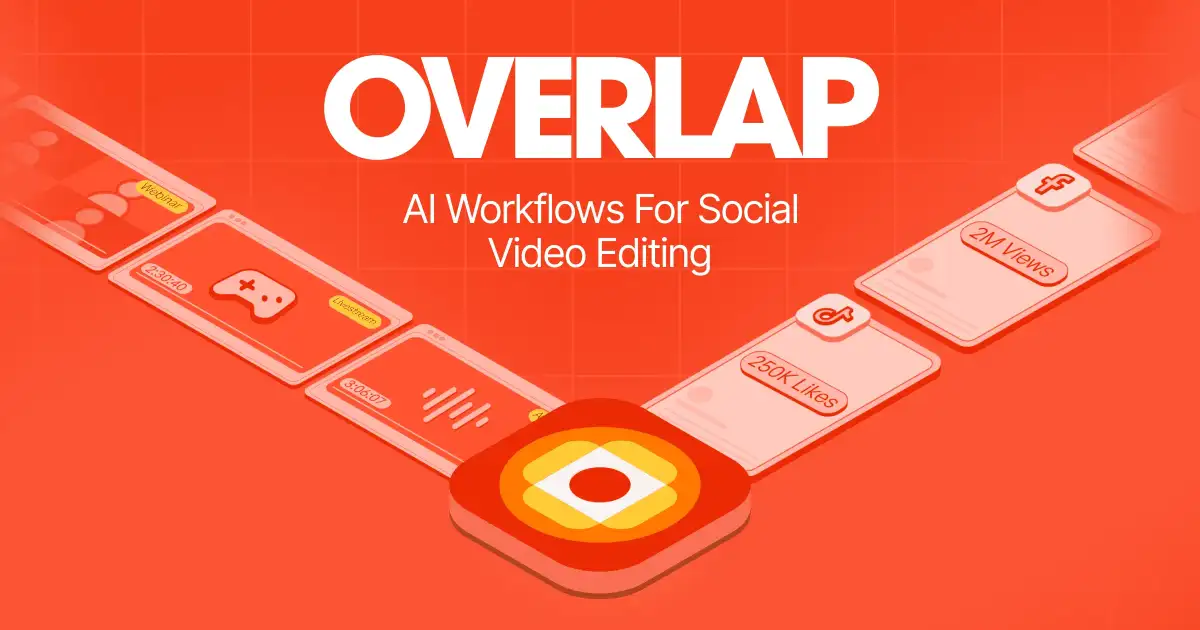
The mechanics of this emerging economy involve specialized editors, often referred to as 'clippers,' who extract compelling moments from longer videos. These editors then distribute these clips across various social media channels, aiming to capture user attention through algorithmic signals, such as swipes and likes, which feed back into content personalization systems. For content creators, contracting clipping services allows them to extend their reach and influence significantly. Services like Vyro facilitate this process by connecting editors with creators and brands, enabling even individuals with editing skills to monetize their work by contributing to this content-driven industry.
Read More: FIFA World Cup 2026 Revenue Reaches $15 Billion With New Ticket Prices
The clipping economy has spawned new business models and career paths. Some individuals have reportedly built substantial enterprises, or "clipping empires," by managing teams of contract editors. This trend underscores a broader shift in how digital content is consumed and monetized, moving towards highly segmented and easily digestible formats. The reach of this phenomenon is extending beyond entertainment and influencer marketing, with companies like DoorDash experimenting with their own in-app video programs, paying users to post short-form content, signalling a potential evolution in how diverse industries engage with consumers through short-form video.

Background: A Shifting Media Landscape
The ascent of the clipping economy is intrinsically linked to the evolution of social media platforms and user consumption habits. The advent of platforms prioritizing short-form video, like TikTok and Instagram Reels, created an insatiable demand for constant content. This environment rewards quick, engaging material that can capture attention within seconds.
Read More: Slate Pears Game 282 Released May 23: Daily Word Puzzle Continues
Early adopters of this strategy, such as prominent YouTubers, discovered that repurposing their core content into numerous short clips significantly amplified their overall reach and engagement across the digital ecosystem. This practice, initially perhaps an organic extension of content strategy, quickly matured into a distinct economic sector.
The development of specialized agencies and services, sometimes operating as "clipping farms," indicates a professionalization of this process. These entities offer tailored solutions to creators and brands, managing the entire lifecycle of clip creation, distribution, and performance analysis. The ability of clipping to operate outside of traditional advertising frameworks has also made it an attractive alternative for sectors facing regulatory or platform-specific advertising hurdles.
The financial implications are considerable. Millions of views generated through clipping campaigns translate into tangible benefits, whether through direct monetization of views, increased brand visibility, or enhanced user acquisition for services and products. The model effectively creates an "owned clipping channel," as described by some industry observers, meaning creators and brands can cultivate their audience directly through this distributed content, reducing reliance on third-party platforms for initial audience discovery.
Read More: Hunter Region Gets $12 Billion Train Factory
However, the inherent nature of clipping also raises questions about content authenticity and the potential for audience fatigue. As the internet becomes saturated with these highly optimized snippets, the challenge for creators and brands lies in distinguishing themselves and providing genuine value beyond mere attention-grabbing tactics. The long-term sustainability and impact of this model on broader media consumption patterns remain a subject of ongoing observation and analysis.