Recent discussions on BBC Morning Live have highlighted a potential, novel approach to identifying early signs of cancer: the analysis of consumer loyalty card data. A study, involving Tesco Clubcard and Boots Advantage Card information, is underway to investigate whether shopping habits can offer clues to developing malignancies. This initiative stems from prior research suggesting a link between specific purchasing patterns and the detection of ovarian cancer.

The prospect of using widely adopted loyalty programs to flag potential health issues has sparked conversations about data privacy and the efficacy of such methods. Researchers are exploring whether patterns in grocery and pharmacy purchases could serve as an early warning system, prompting individuals to seek medical advice sooner, particularly for cancers that often present with subtle or non-specific symptoms.

Investigating Shopping Habits as Health Indicators
An ongoing study aims to determine if trends in consumer purchasing behavior, as recorded by loyalty cards, can act as a precursor to cancer diagnosis.
Read More: New Papers Show Epstein Had Health Problems with Sex Hormones

The research will involve a significant number of participants: nearly 3,000 individuals, comprising 1,450 diagnosed with cancer and 1,450 healthy controls.
The core of the investigation is to pinpoint specific products associated with different cancer types and to identify purchasing thresholds that distinguish individuals with cancer from healthy ones.
The initial focus of such research, building on previous findings, included ovarian cancer. This earlier work indicated that frequent purchases of over-the-counter painkillers and indigestion tablets were linked to a higher risk.
Researchers are now broadening their scope to investigate patterns related to bowel, bladder, endometrial, liver, ovarian, and pancreatic cancers.
Potential for Proactive Health Alerts
If the study proves successful, the implications could extend to a proactive health notification system.
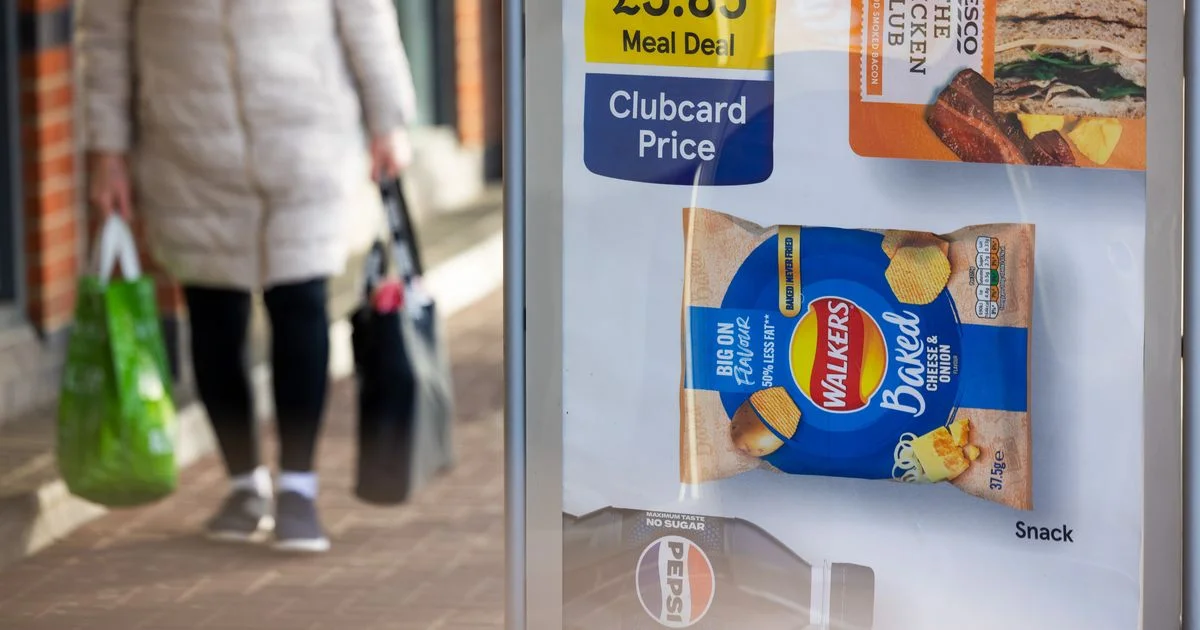
Dr. Oscar Duke, a General Practitioner appearing on BBC Morning Live, suggested that future developments might include shoppers receiving health alerts based on their loyalty card data.
Such a system would aim to identify subtle changes in shopping habits that might correlate with the early stages of various diseases.
This approach could be particularly valuable for cancers that often begin with mild, non-specific symptoms such as bloating, indigestion, or fatigue. These symptoms can sometimes lead individuals to self-medicate rather than consult a healthcare professional promptly.
Addressing Data Privacy Concerns
The use of personal shopping data for health screenings naturally raises questions about privacy.
Read More: Many People Still Waiting Long Times for NHS Hospital Care
Both studies explicitly state that the analysis will be conducted using data from volunteers who consent to share their information.
As articulated by participants in the BBC discussions, there is a growing awareness and legitimate concern regarding the data held about individuals in the current era.
The success of such a system hinges on transparent data handling practices and robust consent mechanisms.
Expert Perspectives and Previous Findings
The concept of using retail data for health insights is not entirely new, with prior research providing a foundation for current investigations.
A Cancer Research UK campaign with Tesco in late 2025 highlighted efforts to train Tesco pharmacists to recognize and discuss potential cancer symptoms, underscoring a broader push for early diagnosis. This initiative aimed to address barriers to seeking help, such as difficulty obtaining GP appointments or choosing to manage symptoms alone.
A 2023 study indicated that loyalty card data from retailers like Sainsbury's (Nectar), Tesco (Clubcard), Marks and Spencer (Sparks), and Boots (Advantage Card) could potentially aid in the earlier detection of certain cancers.
This prior research specifically found that individuals diagnosed with ovarian cancer often sought relief for symptoms using over-the-counter remedies, suggesting a purchasing behavior that could be detectable.
Future Directions and Unanswered Questions
The current research represents a promising avenue for early cancer detection, but several aspects require further investigation.
Read More: Actor James Van Der Beek Dies at 48 from Bowel Cancer; Early Signs Often Missed
The primary goal is to correlate specific product purchases with cancer types and to differentiate these patterns between healthy and ill individuals.
The feasibility and accuracy of building a digital alert system based on this data will depend on the robustness of the identified correlations.
Further validation will be crucial to ensure that any alerts generated are reliable and do not lead to unnecessary anxiety or medical consultations.
Sources Used
BBC News: "Shop loyalty card data may help spot ovarian cancer." (Published January 27, 2023)
This article discusses a study linking loyalty card purchases of painkillers and indigestion tablets to an increased risk of ovarian cancer, emphasizing the potential for early detection through shopping habits.
The Mirror: "BBC expert says Tesco Clubcard could help diagnose cancer early." (Published recently)
This report details the ongoing study discussed on BBC Morning Live, explaining how loyalty card data from Tesco and Boots might be used to spot early cancer signs and the potential for future health alerts.
Link: https://www.mirror.co.uk/news/health/bbc-expert-says-tesco-boots-36705139
The Express: "MD FORMAT - BBC Morning Live GP says Tesco Clubcard data could help detect cancer early." (Published recently)
This article focuses on Dr. Oscar Duke's comments on BBC Morning Live regarding the Imperial College study. It outlines the types of cancers being investigated and the concept of receiving health notifications based on shopping data.
Link: https://www.express.co.uk/life-style/health/2169603/bbc-morning-live-gp-says-tesco-clubcard-data-could-help-detect-cancer-early
The Express: "Boots and Tesco loyalty card data could be used to help find cancer red flags." (Published February 2, 2026)
This report details the large-scale study involving nearly 3,000 participants (patients and healthy controls) to analyze shopping data from Boots and Tesco for early cancer detection across 10 cancer types.
Link: https://www.express.co.uk/news/uk/2165719/tesco-cancer-data-diagnosis-shopping
The Daily Record: "Loyalty card data from Tesco and Boots could help reveal early cancer diagnosis." (Published February 2, 2026)
Similar to other reports, this article covers the major study investigating loyalty card data for early cancer detection, mentioning the participant numbers and the aim to build upon previous success with ovarian cancer studies.
Link: https://www.dailyrecord.co.uk/lifestyle/loyalty-card-data-tesco-boots-36658955
Cancer Research UK: "Working with our partner Tesco to help spot cancer early." (Published November 19, 2025)
This piece highlights a health campaign and training initiative between Cancer Research UK and Tesco, focusing on empowering pharmacists and customers to recognize and act on potential cancer symptoms, thereby supporting early diagnosis efforts.
Link: https://news.cancerresearchuk.org/2025/11/19/working-with-our-partner-tesco-to-help-spot-cancer-early/
Birmingham Mail: "Sainsbury's, Tesco, Boots loyalty card data could help diagnose silent killer." (Published January 27, 2023)
This article discusses a study indicating that loyalty card data from various supermarkets, including Tesco and Boots, could help detect early signs of ovarian cancer, referred to as a "silent killer."
Link: https://www.birminghammail.co.uk/whats-on/shopping/sainsburys-tesco-boots-loyalty-card-26085626
Read More: UK Economy Grows Very Slowly at End of 2025



:max_bytes(150000):strip_icc()/VWH_EarlySignsofColonCancer-be7dc99d4bfb4a37b2e6bec8d9f4cfd7.png)