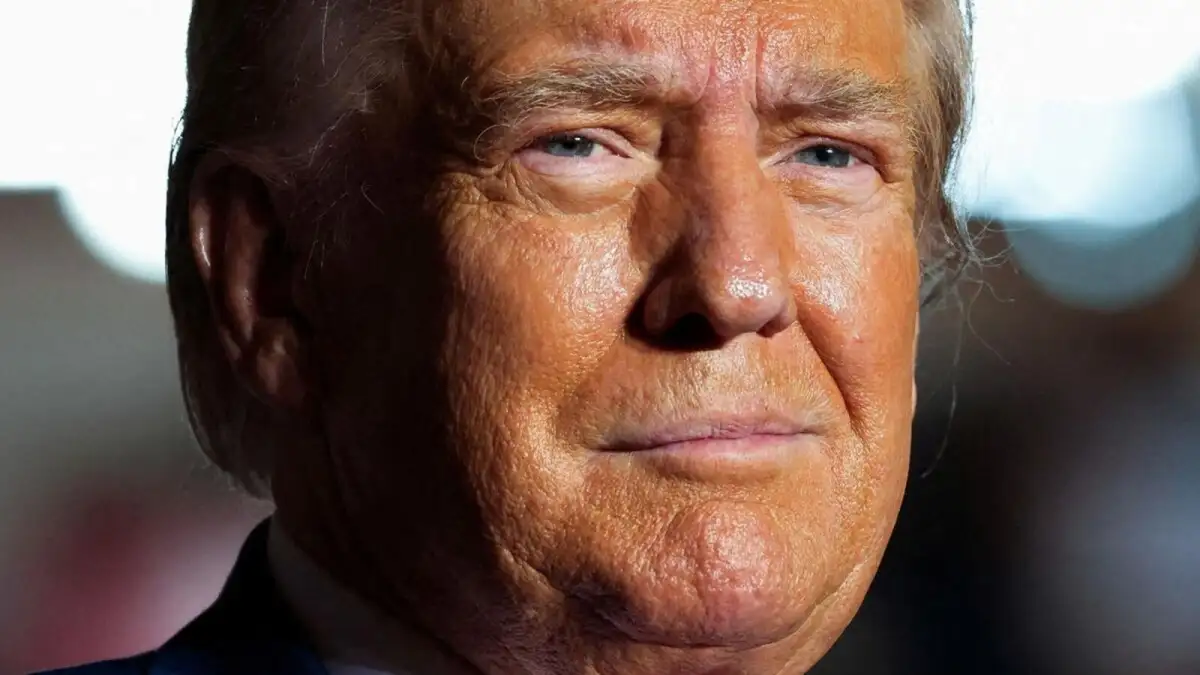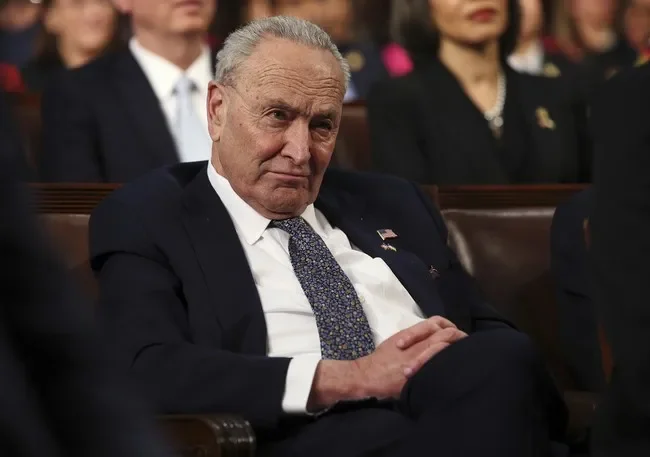
A sharp disagreement has emerged in the United States Senate regarding the Safeguard American Voter Eligibility (SAVE) Act. At the center of this dispute are Senator Mike Lee (R-UT) and Senate Minority Leader Chuck Schumer (D-NY). The debate focuses on whether new voting rules are necessary for security or if they unfairly stop people from voting. Senator Schumer has labeled the bill "Jim Crow 2.0," suggesting it mimics historical laws used to prevent Black citizens from voting. In response, Senator Lee called these claims a "paranoid fantasy." The tension comes at a time when lawmakers are deciding how to manage federal elections and whether to link these rules to broader government funding bills.
Timeline of Recent Events
The current debate follows the passage of the SAVE Act in the House of Representatives. As the bill moved to the Senate, the following events occurred:
Read More: Taiwan Holds Nantou County Drills to Prepare for State Collapse
Early February 2026: Senator Schumer vows to fight the bill, claiming it could prevent "over 20 million" people from voting.
February 7, 2026: Reports surface of Schumer being questioned by reporters on why photo ID is considered a barrier when it is required for daily activities like renting cars.
February 18, 2026: Senator Lee argues on the Senate floor that voter ID laws are a common-sense measure supported by a majority of the public.
Ongoing: Discussion continues regarding a possible Democratic filibuster, which would require 60 votes to overcome—a difficult task in the current Senate.
Key Provisions of the SAVE Act
The proposed legislation includes several specific requirements for federal elections:
| Feature | Requirement Detail |
|---|---|
| Photo Identification | Voters must show a valid photo ID to cast a ballot in person. |
| Proof of Citizenship | Individuals must provide documents proving they are U.S. citizens when registering to vote. |
| Voter Roll Cleanup | States are required to remove people who are no longer eligible (such as non-citizens or deceased persons) from voter lists. |
| Federal Oversight | Establishes stricter federal standards for how states verify voter identity. |
The "Jim Crow 2.0" Label vs. "Paranoid Fantasy"
The language used by both sides highlights a deep division in how the bill is perceived.
"This 'Jim Crow 2.0' nonsense is a paranoid fantasy designed to distract from the real issue – Democrats want to keep our elections vulnerable to fraud."— Senator Mike Lee
Senator Schumer argues that the bill targets poor people and people of color who may find it harder to obtain specific documents. He uses the term "Jim Crow" to link the bill to the era of racial segregation. On the other side, Senator Lee and his supporters argue that these comparisons are not based on facts. They point to data suggesting that states with strict ID laws do not see a drop in minority voting.
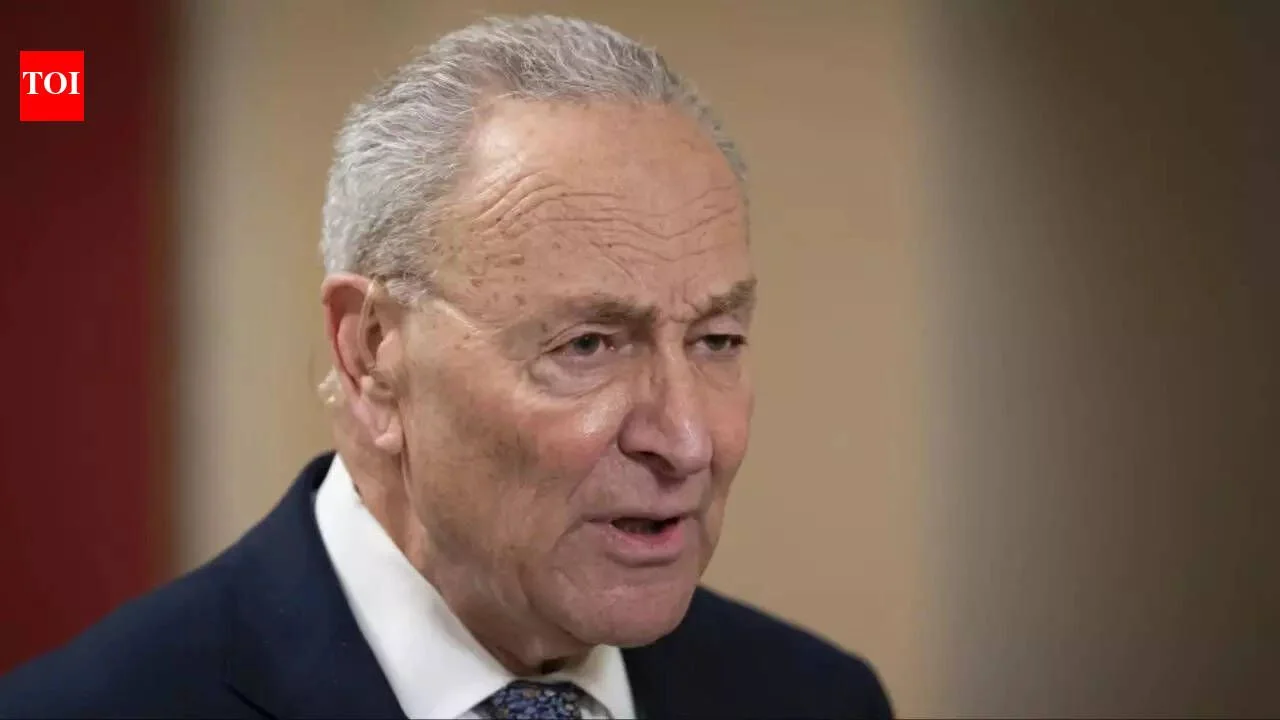
The core of the dispute rests on whether the intent of the bill is to secure the system or to limit the number of people who can participate in it.
Read More: Aboriginal Voters Turned Away From SA Polling Stations on Election Day
Security Concerns vs. Voting Barriers
Arguments for the SAVE Act: Supporters argue that confirming a voter’s identity is a basic requirement for a fair election. Senator Lee compared voting to other constitutional rights, such as the right to bear arms, which also requires identification. They suggest that without these rules, the system remains open to fraud.
Arguments against the SAVE Act: Critics, led by Schumer, claim that requiring "documentary proof of citizenship" creates a hurdle for citizens who do not have easy access to birth certificates or passports. They argue this disproportionately affects low-income groups.
Analyzing Public Opinion and State Data
Data from public polls and recent state-level changes provide a different perspective on the debate.
Public Support: Polling data cited by Jake Tapper (CNN) indicates that 83% of Americans support voter ID requirements. This includes 71% of people who identify as Democrats.
The Georgia Case: Following the implementation of new voting laws in Georgia, some critics predicted lower turnout. However, the Georgia Secretary of State reported that minority turnout actually increased after the laws were put in place.
Daily Requirements: Proponents of the bill often mention that photo IDs are required for everyday tasks, such as checking into hotels or flying on airplanes, questioning why voting should be different.
Does the high level of public support for voter ID suggest that the political rhetoric in the Senate is out of step with the average citizen?
Expert Perspectives
Analysts suggest that the current fight is as much about political strategy as it is about policy.
Legal Experts: Note that while the right to vote is fundamental, states have historically had the power to set "reasonable" requirements for registration. The debate is now over what counts as "reasonable."
Political Strategists: Point out that the SAVE Act is being used as a tool in budget negotiations. Some Republicans have suggested attaching the bill to a government shutdown deadline to force Democrats to vote on it.
Conclusion
The debate over the SAVE Act shows a clear split between two different views of election integrity. Senator Mike Lee views the bill as a necessary tool to prevent fraud and ensure that only citizens vote. Senator Chuck Schumer views it as a return to a dark period of American history where laws were used to keep certain groups away from the polls.
The evidence shows that a large majority of the public supports voter ID, and some states have seen increased turnout after passing similar laws. However, the requirement for proof of citizenship remains a major point of contention. The next step will likely involve a Senate vote where a Democratic filibuster is expected. If the bill fails to move forward, it may become a central issue in the next election cycle or be used as a bargaining chip in federal funding talks.
Read More: FBI Analysts Review Georgia 2020 Election Data in Fulton County
Primary Sources and Context
Next News Network: Mike Lee challenges Schumer's claims (Focuses on Republican arguments and minority turnout).
UMVA Net: Senate Debate Breakdown (Details on the filibuster and constitutional comparisons).
TotalNEWS: SAVE Act and House Passage (Details on the House vote and voter roll maintenance).
Washington Examiner: Schumer's Vow to Fight SAVE Act (Contains polling data from CNN regarding public support).
PJ Media: Reporter Questions for Schumer (Examines the logic of ID requirements for daily life).
Times of India: Jim Crow 2.0 Explained (Provides historical context on the original Jim Crow laws).
Fox News: Backlash and Georgia Turnout (Discusses the impact of similar laws in Georgia).