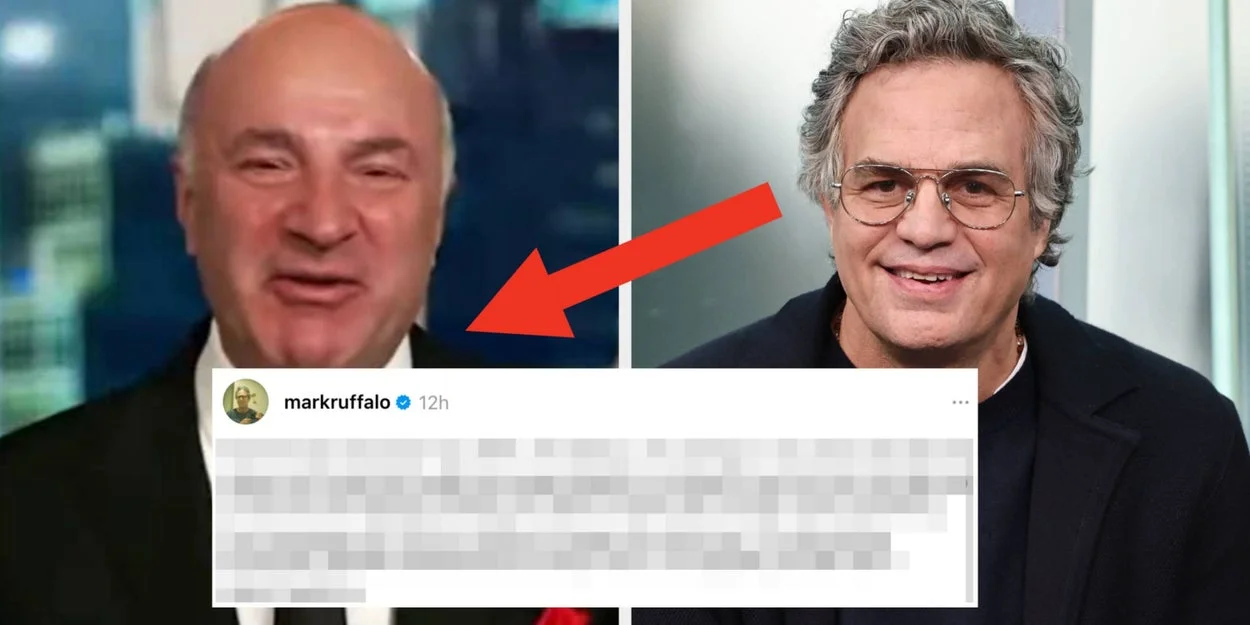
Hollywood is once again a battleground, this time fueled by a sharp exchange between actor Mark Ruffalo and businessman Kevin O'Leary over pop sensation Billie Eilish's recent Grammys speech. At the heart of this dispute lies a fundamental question: Should artists use their massive platforms to speak out on political issues, or should they stick to "entertaining" as some demand? This isn't just about celebrity gossip; it's a stark illustration of the ongoing tension between civic engagement and the pressures of public life, especially for those in the spotlight.
The current dust-up ignited when Kevin O'Leary, a well-known figure from "Shark Tank," publicly criticized Billie Eilish for using her Grammy acceptance speech to protest U.S. immigration policies. Eilish, accepting the award for Song of the Year for "Wildflower," declared, "It’s just really hard to know what to say and what to do right now, and I feel really hopeful in this room, and I feel like we just need to keep fighting and speaking up and protesting, and our voices really do matter, and the people matter, and fuck ICE." Her remarks, particularly the explicit denunciation of Immigration and Customs Enforcement (ICE), resonated with many but drew immediate backlash from conservative circles.
Read More: Arc Raiders Game Is Very Popular After Launch
O'Leary, weighing in on Fox News, articulated a sentiment often echoed by critics of celebrity activism: that performers should remain apolitical. He reportedly stated that the first lesson for any rising star is to "shut your mouth and just entertain." This perspective, suggesting that artistic fame should equate to a silent, apolitical presence, immediately drew the ire of Mark Ruffalo, the acclaimed actor known for his own outspoken political stances. Ruffalo, using the social media platform Threads, fired back with a blunt retort: "Kevin O'Leary why don’t you STFU." He further taunted O'Leary by referencing his past acting work, adding, "You played yourself well in ‘Marty Supreme.’"
This public spat highlights a recurring theme: the debate over the role of celebrities in political discourse. While Eilish's brother and collaborator, Finneas O'Connell, defended her by noting the "powerful old white men" upset by a young woman's speech, the exchange quickly escalated. Ruffalo's intervention amplified the critique of O'Leary's position, framing it as an attempt to silence dissenting voices. The incident also saw a wider show of solidarity, with several other stars wearing "ICE Out" pins on the red carpet, signaling a coordinated message against the Trump administration's immigration enforcement policies.
The Clash of Platforms: Free Speech vs. The "Entertainer" Mandate
Kevin O'Leary’s argument that celebrities should "shut their mouth and just entertain" taps into a deeply ingrained societal expectation, yet one that many find increasingly outdated.
Read More: MDMK Wants More Seats to Get Official Recognition
The "Just Entertain" Plea: This perspective suggests that celebrities owe their audience a performance, not a political lecture. The underlying belief is that fame is a transactional relationship where the public buys into a persona for escapism, and any deviation into controversial topics risks alienating that audience or disrupting the illusion.
The Artist as Citizen: Conversely, many argue that artists, like all citizens, have a right and even a responsibility to engage with the world around them. Their visibility, it's argued, gives them a unique platform to amplify important social and political messages that might otherwise be overlooked. To silence them based on their profession is seen as a form of censorship.
O'Leary's Stance: His specific comments suggest a perceived obligation for entertainers to remain neutral.
The core of O'Leary's argument: Celebrity status demands apolitical silence.
He frames this as a "first lesson" for rising stars.
His remarks were made in the context of Eilish's protest against ICE.
Mark Ruffalo's response, beyond its bluntness, serves as a direct counter-argument. By telling O'Leary to "STFU" (Shut The F**k Up), Ruffalo isn't just being crude; he's actively pushing back against the idea that O'Leary, or anyone else, has the authority to dictate who gets to speak and on what terms.
Read More: High on Life 2 Game Is Out, People Talk About Its Funny Jokes and New Skateboard Moves
"As grateful as I feel, I honestly don’t feel like I need to say anything but that no one is illegal on stolen land." - Billie Eilish
This quote from Eilish herself underscores the perceived urgency of her message, suggesting that the context of the "stolen land" – a reference to Indigenous territories – and the controversial nature of ICE policies made silence untenable for her.
A History of Celebrity Activism: Echoes of Past Protests
The current debate between Ruffalo and O'Leary is far from unprecedented. Throughout history, artists and performers have used their fame to advocate for causes, often sparking similar controversies.
The Civil Rights Era: Many Hollywood figures lent their voices to the Civil Rights Movement. Actors like Marlon Brando and Elizabeth Taylor were vocal supporters, attending rallies and donating to the cause.
Vietnam War Protests: During the Vietnam War, musicians and actors were at the forefront of anti-war activism. Jane Fonda, for example, became a highly visible, and controversial, figure.
Modern Day Movements: From the #MeToo movement to Black Lives Matter, contemporary celebrities have continued to engage. Actors like Mark Ruffalo himself have a well-documented history of activism, particularly concerning environmental issues and political opposition.
Grammy Stage Politics: The Grammys, in particular, have a history of political statements. In 2023, Lizzo encouraged viewers to "speak your truth" during her acceptance speech, and Kendrick Lamar used his performance to deliver a powerful political message.
Read More: Gen Z's Big Test: Can Young Voters Change Bangladesh?
The backlash Eilish received, and Ruffalo's defense, fit neatly into this ongoing narrative. It begs the question: Are critics like O'Leary simply trying to maintain a comfortable status quo, or is there a legitimate concern about celebrities overstepping their bounds?
The pattern shows a recurring tension: visibility breeds scrutiny for politically active celebrities.
Past instances demonstrate that celebrity activism is a long-standing tradition, not a new phenomenon.
The intensity of the reaction often correlates with the perceived political leaning of the celebrity and the message itself.
"It’s astounding the fantasy double standard Kevin O'Leary lives in." - Finneas O'Connell
This sentiment from Eilish's brother suggests a perceived hypocrisy, implying that O'Leary might be more accepting of certain types of celebrity speech than others, or perhaps that he overlooks the political implications inherent in business and financial commentary (which is O'Leary's primary domain).
Deconstructing the "Marty Supreme" Jab: A Symbolic Attack?
Ruffalo's specific jab at O'Leary – "You played yourself well in ‘Marty Supreme’" – adds a layer of personal insult that goes beyond a simple political disagreement. This reference is particularly intriguing. "Marty Supreme" is not a widely known film or show. A quick search reveals a potential, though obscure, connection to an unreleased film called "Marty Supreme" from 2014, where Kevin O'Leary reportedly had a role.
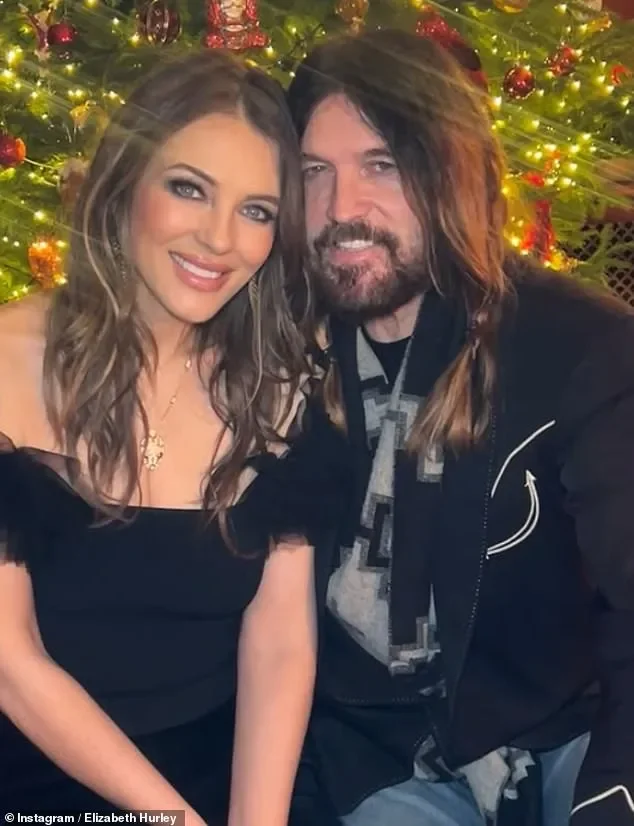
Read More: Elizabeth Hurley and Billy Ray Cyrus Share Their Story
| Actor/Personality | Alleged Role | Significance of Jab? |
|---|---|---|
| Kevin O'Leary | Actor in "Marty Supreme" (unreleased) | Ruffalo implies O'Leary's acting was poor or self-serving, mirroring his current stance. |
| Mark Ruffalo | Accompanying Critic of O'Leary's Opinion | Uses O'Leary's own (minor) acting past against him to undermine his current pronouncements. |
| Billie Eilish | Subject of O'Leary's Criticism | The target of the initial controversy, caught between two public figures' dispute. |
The "Marty Supreme" comment appears to be a pointed, perhaps obscure, dig at O'Leary's own past ventures.
It serves to belittle O'Leary by drawing attention to his less successful or perhaps embarrassing professional endeavors.
This personal attack might be an attempt to discredit O'Leary's authority on the matter of celebrity roles and public expression.
Why would Ruffalo bring up such an obscure reference? It suggests a deeper level of engagement with O'Leary's public persona, going beyond just his business dealings. It's a move that frames O'Leary not just as a commentator, but as someone whose own attempts at being a public figure (even in acting) were questionable. Does this tactic serve to elevate the debate, or does it devolve it into personal mudslinging?
The Double Standard: Who Gets to Speak, and Why?
The controversy raises significant questions about fairness and consistency in how public figures are treated when they express political views.
Read More: Minister Asks to Stop Firing Top Civil Servant While New Papers Come Out
The "Old White Men" Critique: Finneas O'Connell's observation points to a potential generational and demographic double standard. Is there a greater tolerance for political commentary from certain groups of celebrities than others?
O'Leary's Own Platform: Kevin O'Leary himself is a prominent figure who frequently opines on business, economics, and politics on national television. Why is his voice considered legitimate when expressing opinions, while Eilish's is deemed inappropriate?
O'Leary's Public Statements: He is a commentator on shows like "Shark Tank" and frequently appears on financial news networks.
His Expertise vs. Eilish's: O'Leary is known for finance; Eilish is known for music. Does expertise dictate who is "allowed" to comment on societal issues?
The Nature of the Message: Is the backlash against Eilish less about her speaking out and more about what she said and who she said it to? Protesting ICE and immigration policy is inherently divisive.
Celebrity Influence: A core concern is the power of celebrity to sway public opinion. Critics worry that fame can lend undue weight to opinions lacking in factual depth or context.
"Don’t be stupid about it, but hey, they don’t listen." - Kevin O'Leary (reportedly, on celebrities speaking out)
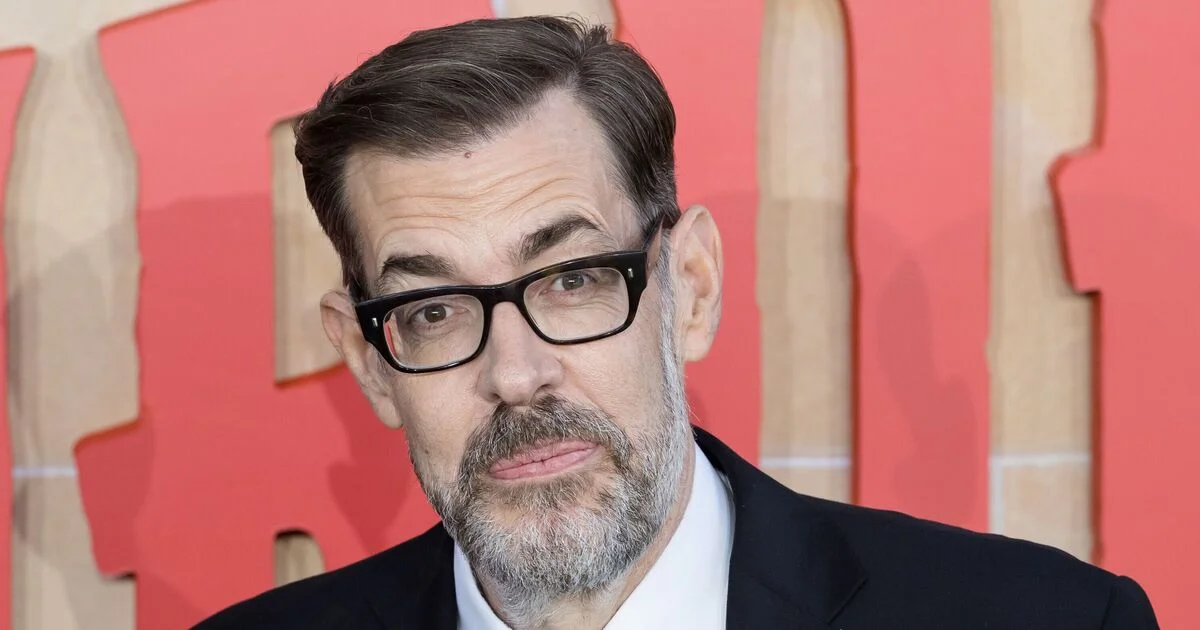
Read More: Richard Osman Shares How Health Issues Shape His Work
This quote, as reported, suggests a dismissive attitude towards celebrity engagement. It implies a belief that celebrities are ill-equipped to discuss politics intelligently. Is this a genuine concern for informed discourse, or a way to silence inconvenient voices?
Conclusion: The Unfolding Narrative of Public Voices
The heated exchange between Mark Ruffalo and Kevin O'Leary over Billie Eilish's Grammys speech is more than just a fleeting celebrity spat. It's a microcosm of a larger societal debate about free speech, the role of influential figures in public life, and the boundaries of acceptable discourse.
Finding 1: Celebrity speech is inherently political. Whether by choice or by nature of their platform, what celebrities say—or don't say—carries weight. O'Leary’s attempt to impose silence is itself a political act, arguing for a specific kind of public sphere.
Finding 2: The "entertain, don't engage" argument is increasingly difficult to uphold. In an era of constant connectivity and global issues, asking artists to divorce their work from their lived experiences and civic concerns feels anachronistic to many.
Finding 3: Backlash is often tied to the message, not just the messenger. While Eilish's youth and celebrity status might draw attention, the strong negative reaction to her anti-ICE stance suggests a deeper political division at play.
Read More: Nikki Haley Says Many People Don't Feel Hopeful About the Economy
Moving forward, we are likely to see more such exchanges. The pressure on celebrities to be silent will persist, as will the desire of many to use their voices for social change. Ruffalo's direct, albeit crude, intervention highlights the frustration felt by those who believe that platforms like O'Leary's are used to stifle important conversations.
The core questions remain:
Do we value the right to free expression for all, or only for those deemed "qualified" by traditional standards?
Is there a genuine danger in celebrity political engagement, or is the real danger in attempts to silence it?
How do we navigate the complexities of influential voices without resorting to blanket dismissals or calls for silence?
This incident serves as a potent reminder that the stage, whether a concert hall or a political debate, is increasingly a space where art, opinion, and activism collide, forcing us all to consider what we expect from those in the spotlight.
Sources:
Variety: https://variety.com/2026/film/news/mark-ruffalo-kevin-oleary-why-dont-you-stfu-1236654203/
The Hollywood Reporter: https://www.hollywoodreporter.com/news/general-news/mark-ruffalo-slams-kevin-oleary-billie-eilish-grammys-speech-1236496784/
The Wrap: https://www.thewrap.com/culture-lifestyle/social-trends/mark-ruffalo-responds-kevin-oleary-billie-eilish-criticism/
Mandatory: https://www.mandatory.com/news/1726432-mark-ruffalo-slams-kevin-oleary-billie-eilish-grammy-speech
Ground.News: https://ground.news/article/mark-ruffalo-tells-kevin-oleary-to-stfu-you-played-yourself-well-in-marty-supreme