A deep dive into Riot Games' latest "State of the Game" update reveals a meticulously planned, yet potentially predictable, future for their ambitious trading card game, Riftbound. With a consistent release schedule and a focus on player retention, the question remains: Is this the recipe for long-term success, or a familiar path treaded by many before?
Riot Games has just dropped its first "State of the Game" update for Riftbound, their foray into the bustling trading card game (TCG) arena. This isn't just a casual announcement; it's a strategic roadmap, laying out a vision that extends well into 2026. The update promises a deeper look into their plans, focusing on new content, game design philosophies, and competitive play. But as the dust settles, and the hype begins to simmer, a critical eye is warranted. Are these plans truly innovative, or are they a calculated replication of existing TCG models? What assurances do players have that this isn't just another digital collectible experiment destined to fade?
Read More: Street Fighter 6 Year 4 Pass adds Tifa and 3 new fighters in 2026
The Road to 2026: A Blueprint of Releases and Rotations
Riftbound's journey from its initial launch has been marked by a structured approach to content. The game, set in the beloved League of Legends universe, has seen releases like Riftbound: Origins and Spiritforged, each introducing new champions, mechanics, and hundreds of cards. This consistent output is no accident. Riot's stated goal is to release four sets per year, ensuring a steady stream of fresh content for players to dive into.
Origins (Initial Release): Kicked off the game with a substantial 377 cards, setting the foundation.
Spiritforged (Subsequent Release): Continued the momentum, introducing new mechanics and champions.
Vendetta (Upcoming, July 31, 2025): The next major expansion, poised to shake up the meta.
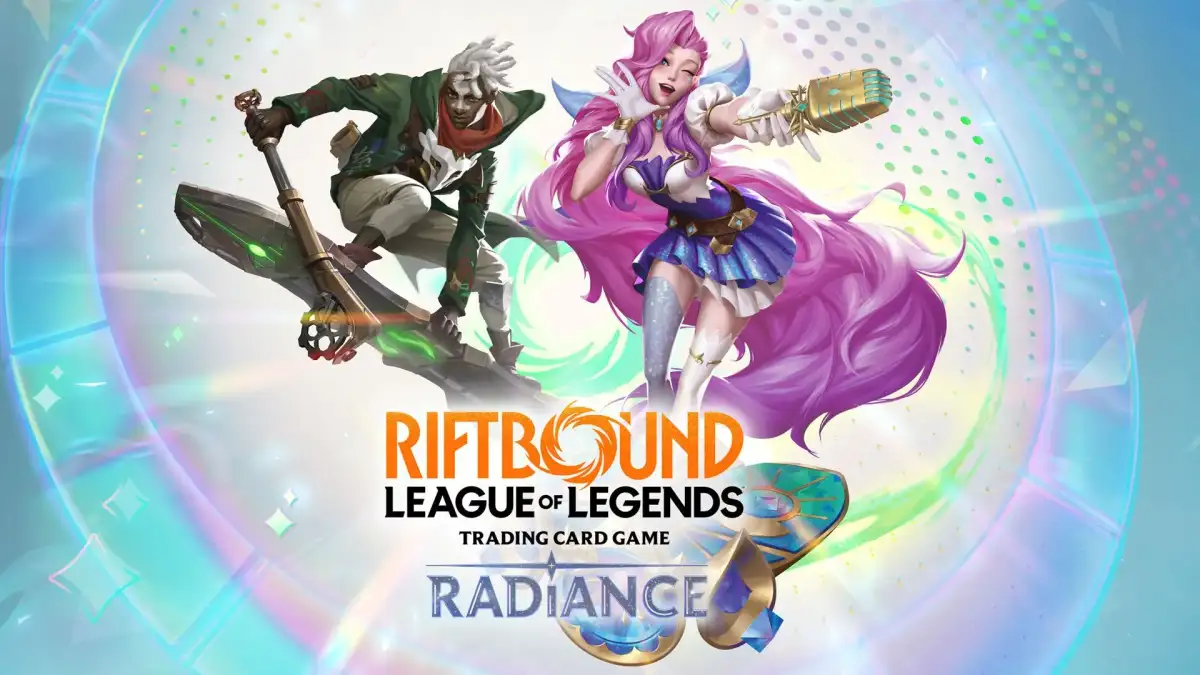
Radiance (Post-Vendetta): Hinted at, with splash art revealed, suggesting more details will emerge after Vendetta's launch.
This predictable rhythm is designed to keep the game vibrant. However, it also raises questions about the sustainability of such a rapid release schedule. Can developers consistently deliver high-quality, innovative content four times a year without sacrificing depth or introducing balance issues? And how does this impact the learning curve for new players trying to catch up?
Competitive Play: A Tight Schedule and Rotating Meta
A significant focus of Riot's communication revolves around organized play and the competitive scene. The game has established a two-tiered system: Local Play at game shops and Premier Play, which escalates from Regional Qualifiers to a World Championship. This structure aims to foster engagement at all levels.
Read More: The Gitrog Ravenous Ride combo in Magic The Gathering May 2026
A critical component of this competitive ecosystem is the rotation plan. Riot has revealed a schedule that extends through 2029, designed to keep the meta fresh and ensure that the competitive scene revolves around these rotations. The current plan dictates that "Best-of metal cards" will be rotated out of events after every three set releases. For example, cards from Origins/Proving Grounds will no longer be eligible for prizing after the release of Vendetta on July 31st.

This rotation strategy is a double-edged sword:
Pros: It theoretically prevents the meta from stagnating, encourages players to adapt to new strategies, and allows for a more balanced power level over time.
Cons: It can be costly for players who invest heavily in card collections for competitive play, as their previously valuable cards might become obsolete for sanctioned tournaments. It also necessitates a constant learning and adaptation process, which can be daunting for casual players.
How will Riot ensure this rotation remains fair and doesn't alienate its player base? Will there be alternative formats for older cards, or will they be relegated to historical curiosity? The sheer scale of a schedule reaching 2029 suggests a long-term commitment, but the specifics of player investment and card value preservation remain a key concern.
Read More: Steam Machine GPU failure causes Red Line of Death on 7 April 2026
The Philosophy of Play: More Than Just Translation
Beyond the mechanics and schedules, Riot Games emphasizes a core philosophy for Riftbound. Chengran, a leader on the Riftbound team, highlights that the team consists of passionate card game players who value both strategic depth and social interaction. Their vision for a healthy game landscape is one where "everyone who wants to play is able to play."
This inclusive approach is further underscored by plans to expand language support for Riftbound. The developers acknowledge that adding a language is more than just translation; it involves adapting the game for diverse player bases. This move is significant, especially considering that Riot's previous games have historically been digital-only. Riftbound, being a TCG, has the potential to bridge digital and physical play, though the current releases and roadmap appear to be digital-first.

The emphasis on original art is also a strategic choice:
Read More: Pokemon TCG Pocket Adds Mega Evolutions in Pulsing Aura Expansion
Increasing Original Art: Players will see a larger proportion of original Riftbound art with every new set.
Value Beyond Gameplay: This commitment to unique art can enhance the collectible aspect of the game and create a stronger brand identity separate from existing League of Legends lore.
However, the question lingers: How will Riot balance the introduction of new mechanics and art with the need for a stable, accessible game for newcomers? Is the "everyone who wants to play is able to play" mantra genuinely reflected in the game's accessibility, or is it a distant aspiration overshadowed by the competitive drive?
Cards, Treatments, and Crossovers: What's Next?
The initial product offerings for Riftbound were substantial, including pre-constructed champion decks with booster packs, and specialized promo packs. The card rarity structure ranges from common to overnumber cards, with champion legend cards being rare. Specific sets, like Riftbound: Origins, contained a total of 377 cards.

Looking ahead, there are implicit questions about the evolution of card treatments and potential crossovers:
Card Treatments: With rare, epic, alt-art, and overnumber cards already established, what new visual and collectible elements can players expect in future sets like Radiance?
Cross-Game Interactions: The persistent question of "Will there be crossovers between Riftbound and other Riot games?" remains unanswered. While the game is set in the League of Legends universe, direct mechanical or narrative integration with games like Valorant or Legends of Runeterra could be a major draw, or a potential source of balance headaches.
The "State of the Game" update, while detailed in its forward planning, is deliberately vague on these specific future enhancements. This might be a strategic move to build anticipation, but for a TCG player base that thrives on meta shifts and unique collectibles, these details are often the lifeblood of long-term engagement.
Read More: New Marvel Magic Commander cards change deck playstyles in April 2026
Expert Analysis: The TCG Tightrope
Dr. Evelyn Reed, a game industry analyst specializing in digital collectibles, offers a cautious perspective: "Riot Games is clearly leveraging its established IP and a structured release model, which is a sound strategy for breaking into the TCG market. The emphasis on a consistent, four-sets-per-year schedule, coupled with a clear rotation plan for competitive play, mirrors successful models like Magic: The Gathering's Standard format. However, the true test lies in execution. Can they maintain novelty and balance with such a rapid output? The rotation plan, while essential for competitive integrity, needs careful communication to manage player investment and prevent feelings of obsolescence."
The key challenge for Riftbound, and for Riot Games, is balancing the predictable, structured growth necessary for a competitive TCG with the inherent desire for innovation and player satisfaction. The 2026 roadmap offers a solid foundation, but the game's ultimate success will hinge on Riot's ability to adapt, listen to its community, and deliver genuinely exciting new content without alienating its player base through cost or complexity.
Read More: Strixhaven Booster Boxes Price Drops on Amazon Before Launch
Conclusion: A Calculated Future, But Where's the Wildcard?
Riot Games' first "State of the Game" update for Riftbound paints a picture of a meticulously planned future. The consistent release schedule of four sets per year, the defined rotation plan for competitive play extending through 2029, and the emphasis on inclusivity and original art all suggest a strategic approach aimed at long-term player engagement and market penetration.
However, as a critical observer, several questions remain open:
Innovation vs. Replication: How will Riftbound truly differentiate itself from established TCGs beyond its IP? Are the planned mechanics and features genuinely groundbreaking, or refined versions of existing concepts?
Player Investment: What is the long-term strategy for card value and player investment, especially concerning the rotation of older cards from competitive play?
Accessibility: How will Riot ensure that "everyone who wants to play is able to play," especially with rapid set releases and evolving competitive metas?
Future Surprises: Beyond the stated roadmap, what unforeseen developments, mechanics, or even crossovers can players anticipate? Is there room for a "wildcard" in Riot's otherwise predictable strategy?
The groundwork laid out for 2026 is strong, reflecting a deep understanding of the TCG market. Yet, the true mettle of Riftbound will be tested not just by the regularity of its releases, but by its ability to surprise, delight, and foster a community that feels both invested in and excited by its evolving journey. The coming years will reveal whether this calculated path leads to a triumphant victory or a predictable fade.
Read More: Steam Machine Red Line of Death error after 7 April 2026 update
Sources:
IGN: Riftbound's First State of the Game Update Offers Players a Deeper Look Into Their Plans for 2026 - https://www.ign.com/articles/riftbounds-first-state-of-the-game-update-offers-players-a-deeper-look-into-their-plans-for-2026 (Published ~11 mins ago)
Riftbound Official Blog: State of the Game, Feb. 2026 - https://riftbound.leagueoflegends.com/en-us/news/announcements/state-of-the-game-feb-2026/ (Published 2 days ago)
Riftbound.gg: Riftbound Roadmap: Upcoming Sets and Expected Release Dates? - https://riftbound.gg/riftbound-roadmap-upcoming-sets/ (Published Nov 23, 2025)
GameTyrant: Everything We Know So Far About Riftbound: Spiritforged - https://gametyrant.com/news/everything-we-know-so-far-about-riftbound-spiritforged (Published Nov 14, 2025)
Sheep Esports: Riftbound: Complete release schedule for upcoming sets and rotation plan revealed through 2029 for Competitive Play - https://www.sheepesports.com/en/articles/riftbound-complete-release-schedule-for-upcoming-sets-and-rotation-plan-revealed-through-2029/en (Published Jul 30, 2025)
TheGamer: Everything We Learned About Riftbound At The Pre-Release Summit - https://www.thegamer.com/riftbound-price-products-release-date-organized-play-league-of-legends-details/ (Published Jun 3, 2025)
TechRaptor: Everything We Learned About Riftbound At The Pre-Launch Summit - https://techraptor.net/tabletop/features/everything-we-learned-about-riftbound-league-of-legends-tcg-at-pre-launch-summit (Published Jun 3, 2025)


/content/opengraph/MTG-Top-10-Best-Commander-Cards-From-Magic-The-Gathering-Marvel-Super-Heroes-MSC-MSH.png)