

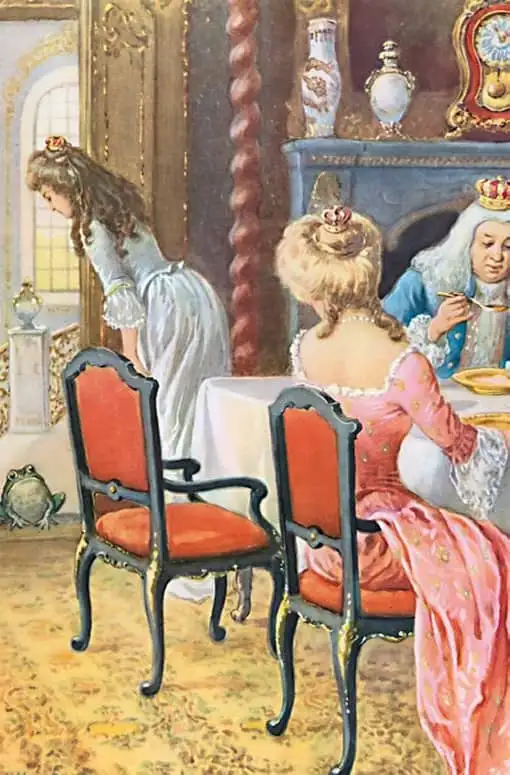
A princess's joyful reunion with a lost golden ball and a subsequent broken promise to a helpful amphibian created a chain of events that tested her character. Her initial reluctance to honor a commitment to a frog, who had assisted her, led to her father, the king, enforcing her pledge. This interaction ultimately resulted in a magical transformation, returning the frog to a prince and teaching the princess about responsibility and acceptance.
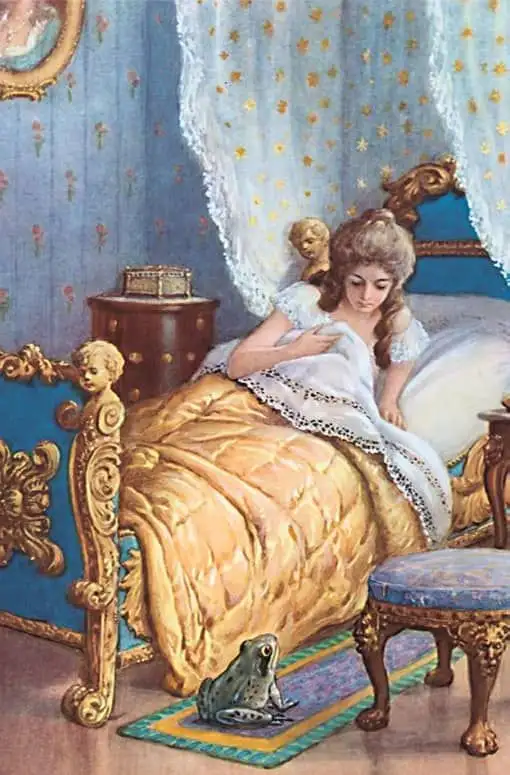
The narrative centers on a king's youngest daughter, renowned for her beauty. Her world is disrupted when she loses her golden ball in a deep well. A frog offers to retrieve it in exchange for a promise: that she will allow him to eat with her, drink from her cup, and sleep in her bed. The princess, eager to reclaim her toy, readily agrees. However, upon recovering the ball, she flees, forgetting her commitment.
The Princess's Reluctance and Royal Intervention
The princess's joyful retrieval of her plaything quickly gave way to dismay when the frog appeared at the palace gates, demanding the fulfillment of her promise.
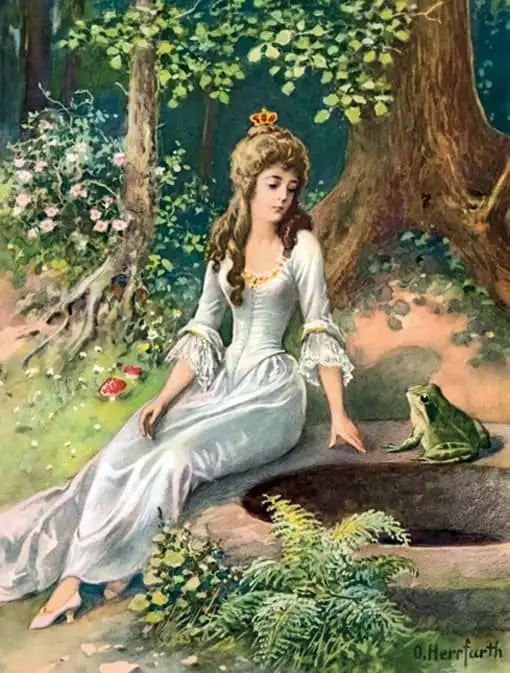
The princess described the frog as "ugly" and reacted with distress at the thought of him sharing her living space, even crying when he attempted to join her in her bed.
Her father, the king, upon learning of her broken promise, intervened. He insisted that she must honor her word, stating, "He who helped you in the time of your trouble, must not now be despised!"
This royal decree compelled the princess to accept the frog's company, albeit with visible displeasure, holding him with two fingers and placing him in a corner of her chamber.
Transformation and Enduring Morals
The tale culminates in a literal and figurative transformation for both the frog and the princess, highlighting the importance of keeping promises and overcoming superficial judgments.
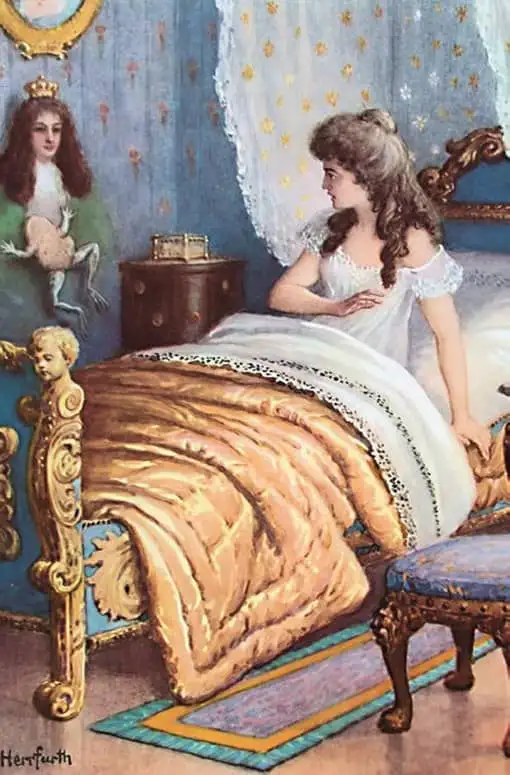
In some retellings, the princess's distress escalates to the point where she throws the frog against a wall in a fit of anger. Was this act a catalyst for the magic?
Following this act, the frog is transformed back into a handsome prince.
The story suggests that Heinrich's heart ached with sorrow when the prince was turned into a frog, leading him to place three iron bands around his chest. This detail, though specific to certain versions, might allude to the depth of grief and loyalty involved.
The princess, too, undergoes an emotional evolution, learning to keep her promises and eventually accepting the frog as a companion, leading to their betrothal.
Scholarly Perspectives on the Narrative
Commentators on fairy tales have examined "The Frog Prince" for its underlying messages and recurrent themes.
One analysis notes the frequent appearance of "The Frog Prince" theme in fairy tale imagery, suggesting its persistent resonance.
The author of this analysis expressed a personal dislike for the story but acknowledged its capacity to provoke thought on its "moral of the story." Does this suggest a divisive quality to the narrative's message?
The Prince was turned into a frog by a "grand display."
The Princess promised to keep her commitment to the frog.
The King insisted the Princess keep her promise.
The Frog was transformed back into a prince.
Conclusion and Lingering Questions
The story of "The Frog Prince" serves as a parable where initial revulsion and broken promises lead to a deeper understanding of commitment and character. The princess's journey from a spoiled child to one who honors her word underscores the narrative's enduring appeal.
The exact nature of the "grand display" that transformed the prince remains a subject of interpretation, but its consequence was his amphibian state.
The king's role is pivotal in ensuring his daughter upholds her agreements, acting as an arbiter of fairness.
The ultimate transformation signifies the triumph of inner worth over outward appearance, and the power of keeping one's word.
Sources Used
Article 1: The Project Gutenberg eBook of The Frog Prince and other stories, by Walter Crane. (Jan 24, 2007). https://www.gutenberg.org/files/20437/20437-h/20437-h.htm
Article 2: The Frog Prince. (Seen on: AOL). https://www.childstories.org/en/the-frog-king-or-iron-heinrich-1660.html
Article 3: 'The Frog Prince' Fairy Tale Commentary and Imagery. (Sep 24, 2025). https://faeryfae.com/the-frog-prince/
Article 4: The Frog Prince | Fairy Tales | Bedtime Stories. (Seen on: AOL). https://www.storyberries.com/fairy-tales-the-frog-prince-by-Walter-Crane/
Article 5: Brothers Grimm fairy stories - The Frog Prince. (Seen on: AOL). https://www.worldoftales.com/fairytales/BrothersGrimm/Grimmfairystories/TheFrogPrince.html
Article 6: The Frog Prince – Grimm’s Fairy Tale – Fairy Tales. (Seen on: AOL). https://fairytales.love/the-frog-prince/