Focus on Efficiency Over Amenities Amidst Playoff Run
Portland Trail Blazers owner Tom Dundon is attracting widespread attention for his reported cost-cutting measures, even as the team navigates its first playoff appearance in five years. The narrative circulating suggests a deliberate operational philosophy focused on maximizing efficiency and minimizing perceived extraneous expenses, a stark contrast to traditional team management. This approach has led to questions about the organization's priorities, particularly concerning player support and staff compensation.
Skeptics point to the decision to not send the team's two-way players on the road for early playoff games as a concrete example of this cost-conscious strategy. This practice, uncommon among playoff-contending teams, draws parallels to comments made about Dundon's tenure with the NHL's Carolina Hurricanes, where similar 'rough cuts' were anticipated by observers.

Interim Coach Stresses Professionalism Amidst Organizational Flux
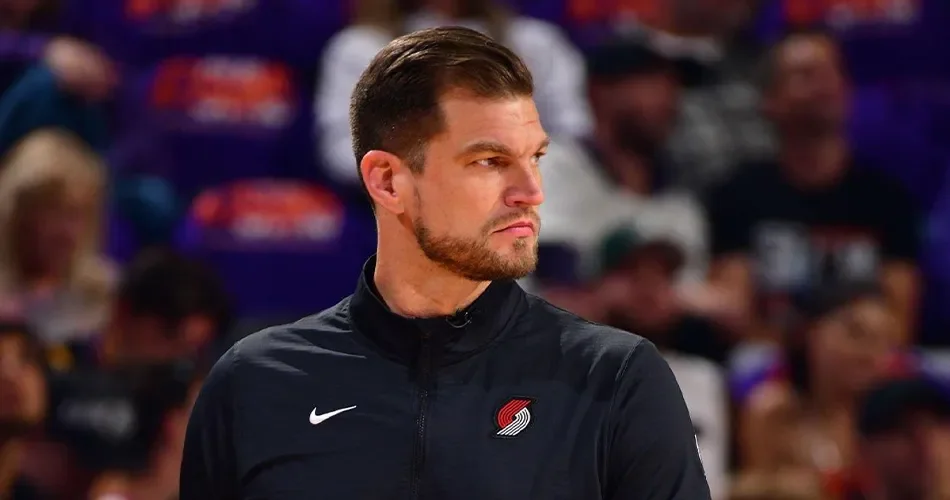
Interim head coach Tiago Splitter has publicly stated his commitment to focusing on the team's performance despite the ongoing discussions about his own future and the organizational changes. Splitter is reportedly seeking a compensation package aligned with NBA head coaching standards, though negotiations have stalled, with offers falling short of established benchmarks. He has urged his players to remain insulated from the external noise, emphasizing a dedication to professionalism. Players, in interviews, have expressed appreciation for Splitter's approach, noting his ability to extract the best from the roster and his championship pedigree.
Read More: Bruins Beat Sabres 4-2 in Game 2 to Tie Series
Background: A Pattern of Fiscal Prudence?
The reports on Dundon's management style and fiscal approach precede his ownership of the Trail Blazers. Observers familiar with his acquisition and stewardship of the Carolina Hurricanes noted a consistent pattern of prioritizing operational savings, with the ultimate goal of enhancing on-ice performance. This has led to a prevailing narrative that Dundon views expenditures primarily through the lens of direct contribution to winning, with less emphasis on 'frills' or amenities perceived as non-essential. While some sources suggest Dundon is committed to investing in the roster, even signaling potential luxury tax spending next season to acquire star talent, the current operational decisions invite continued scrutiny. The dynamic between Dundon's financial philosophy and the team's pursuit of on-court success remains a central point of interest.