The re-release of Pokémon FireRed and LeafGreen on the Nintendo Switch has players wading through a past era of game design, prompting reflection on the conveniences of contemporary titles. This revisit highlights significant departures in gameplay mechanics, particularly concerning the demanding 'grind' for experience points and the absence of modern quality-of-life features that streamline the training process.
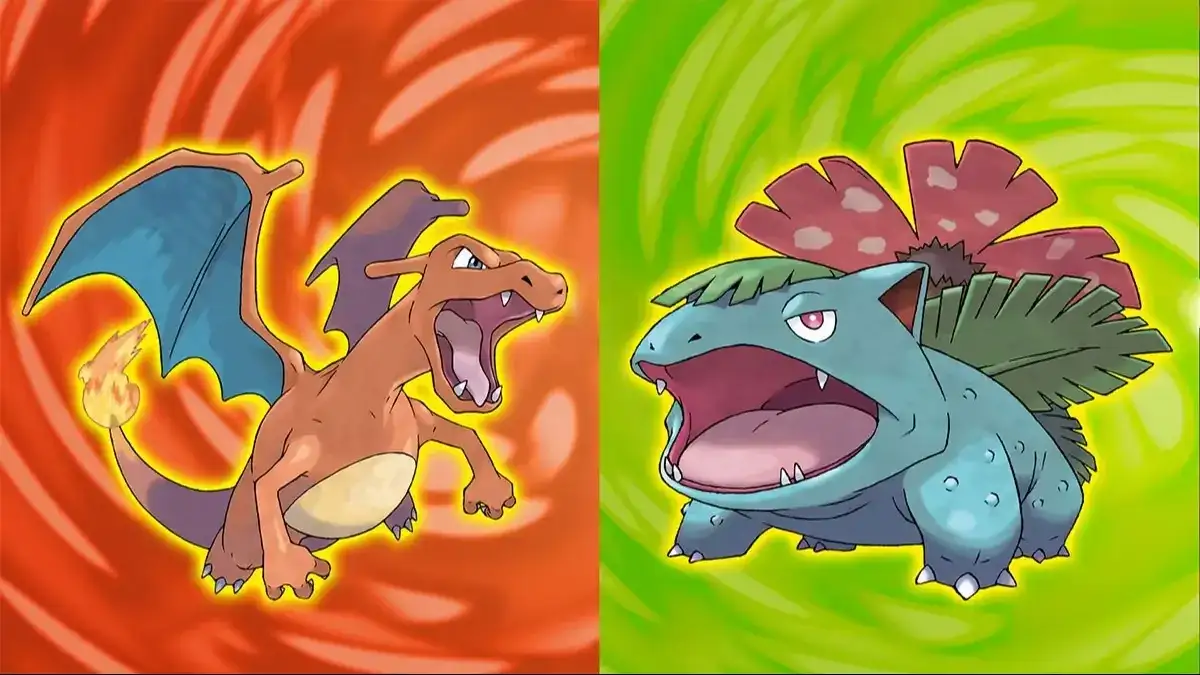
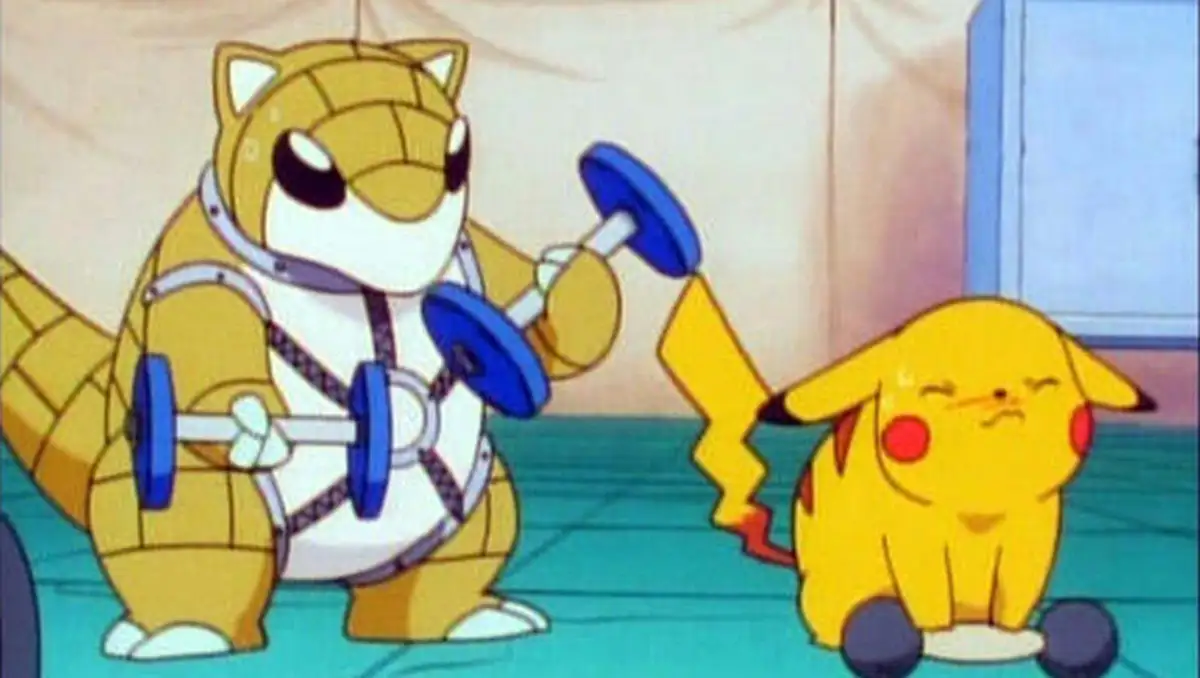
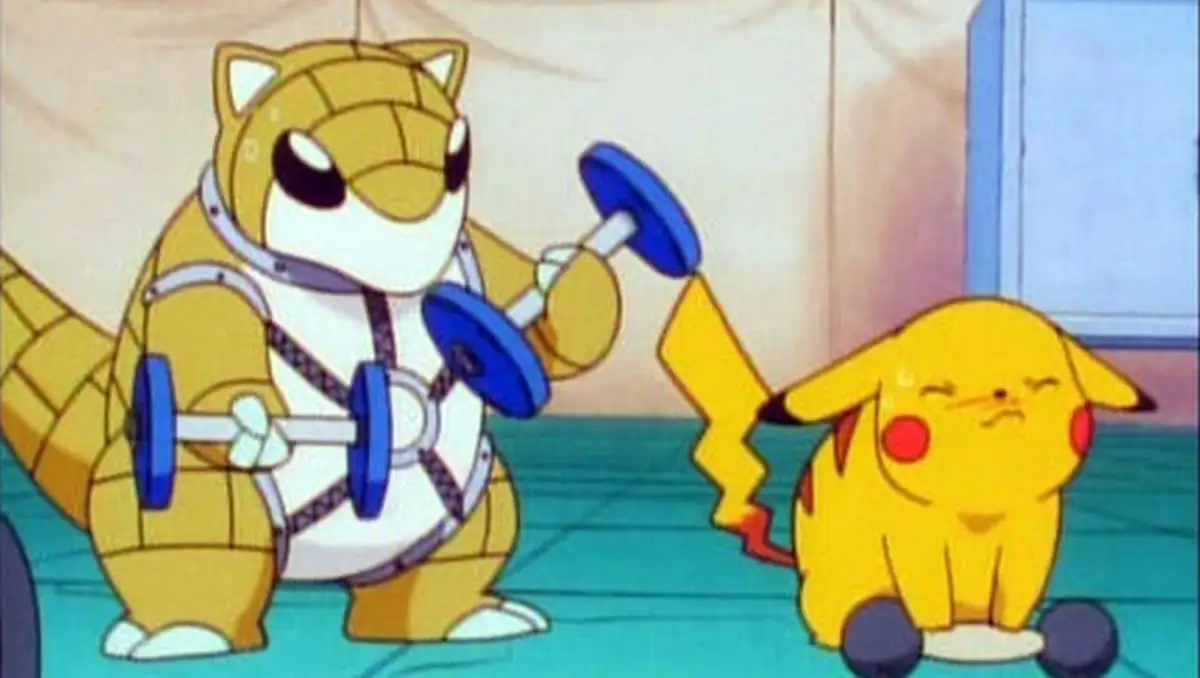
Recent entries such as Pokémon Scarlet and Violet and Pokémon Legends: Z-A have seemingly conditioned players to expect immediate feedback on move effectiveness and simplified methods for leveling multiple Pokémon. In contrast, the classic FireRed and LeafGreen demand a more arduous approach, with some in-game creatures requiring an “ohmygodforever” investment to raise their levels. This disparity has underscored how much modern gaming conventions have reshaped player expectations regarding effort and reward.
Read More: CyberPowerPC Infinity Ultra 7 with RTX 5070 Launched

Transfer Troubles and Unforeseen Exploits
The availability of Pokémon HOME support for FireRed and LeafGreen has been a point of contention and clarification. Initially, the lack of this crucial feature at launch caused concern, as it limits the seamless integration of older Pokémon into newer game rosters. While support has since been confirmed, it operates as a one-way transfer, meaning creatures moved from these classic titles cannot be sent back. This limitation raises questions about the true long-term utility of these re-releases for players invested in maintaining extensive collections across different games.
Furthermore, the re-release has inadvertently brought to light an easy infinite money glitch. This exploit, involving a deliberate loss of a battle against a specific NPC to repeatedly acquire 'nuggets,' offers players a quick way to accumulate in-game currency for essential items like Super Potions and Pokeballs. The discovery of such glitches, common in older titles but often patched out in remakes, adds a layer of ironic commentary on the technical differences between past and present development practices.
Read More: China's New Graphics Card Costs $500 But Runs Like RTX 3060
A Shift in Presentation and Accessibility
The Switch ports of FireRed and LeafGreen are not exact carbon copies of their original Game Boy Advance iterations. Minor alterations have been implemented, and unlike previous classic titles that were integrated into the Nintendo Switch Online service, these specific games are available as direct purchases. This departure from the subscription model raises questions about Nintendo's strategy for distributing its legacy content and the perceived value proposition for consumers.
The return of these games, first released in 2004 as enhanced remakes of the original Pokémon Red and Blue, taps into a deep well of childhood nostalgia for many. Players are reminiscing about their initial experiences, including dedicated efforts to reach the elusive level 100 with specific Pokémon, a feat made more achievable through the ability to re-engage certain trainers or utilize specific in-game mechanics. The act of replaying these foundational titles serves as a stark contrast to the evolving landscape of digital entertainment, prompting a reconsideration of what constitutes a challenging or rewarding gaming experience.
Read More: Forza Horizon 6 Needs Powerful Graphics Cards for Best Visuals