


Google's Pixel 8a, a device initially positioned as a "killer value," now finds itself in a complex market, with its perceived worth debated as newer models and evolving features cast shadows on its enduring appeal. Despite its solid performance and accessible price point, questions linger about its long-term relevance, particularly when juxtaposed with its predecessor and the company's own shifting technological landscape.
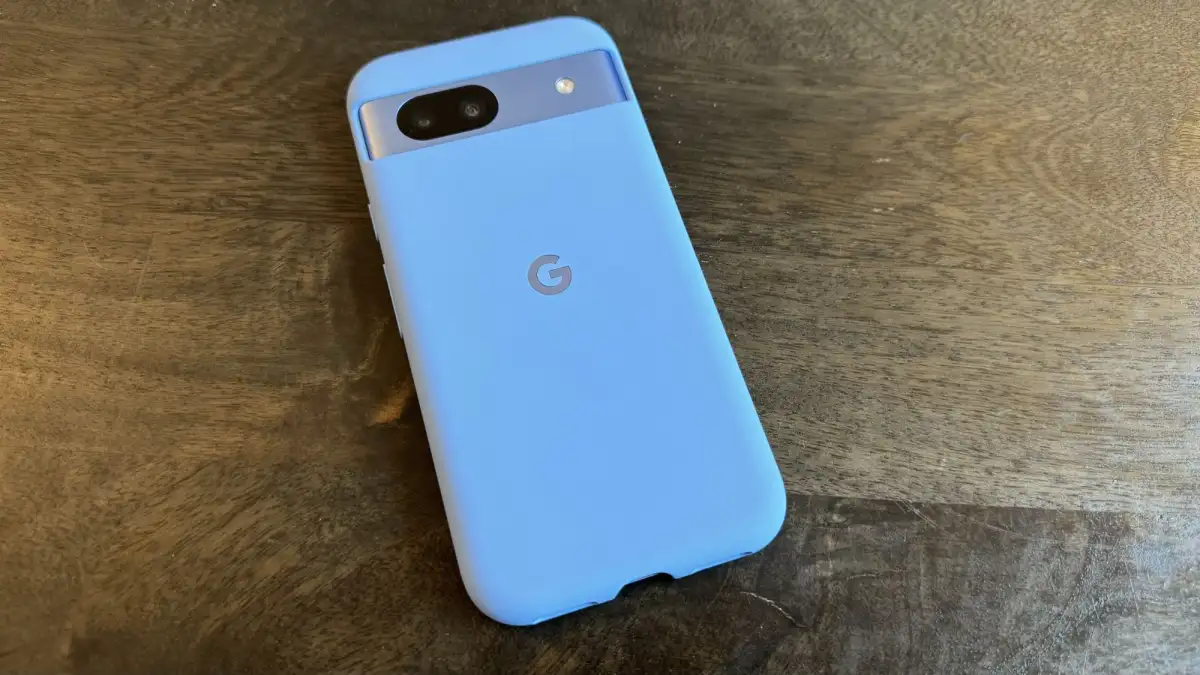
The Pixel 8a, powered by the Google Tensor G3 chip, shares its silicon heart with the more premium Pixel 8 and Pixel 8 Pro. This grants it access to many of the AI-driven features that Google has championed. However, observations suggest that the hardware and software experiences on the 8a can feel distinctly different from later Google devices, hinting at a design that now appears "from another era." This sentiment is amplified by the fact that the Pixel 8a uses the same camera module as the Pixel 7a, a choice that underscores its mid-range positioning and potentially limits its photographic prowess compared to newer flagships.
Read More: Chrome mimeHandler API lets extensions handle file types
While the Pixel 8a was launched with a promise of considerable software support, newer iterations, like the rumored Pixel 10a, are now slated to offer an extended seven years of software updates. This significantly outpaces the remaining support window for the Pixel 8a, making the older model a less compelling choice for users prioritizing long-term software longevity. The introduction of new models also brings incremental upgrades, such as a slightly larger display on the Pixel 10a and a potentially improved modem, further diminishing the Pixel 8a's competitive edge.

Budget Appeal vs. Evolving Expectations
Even as its successor, the Pixel 9a, becomes available, the Pixel 8a is noted for its "budget-friendly option" status and a price that "is right." This has led some to still consider it a worthwhile purchase in 2025, citing its "Tensor G3 chipset" that "continues to perform well" and "impressive battery life." The device's "great size for a phone" is also a recurring positive attribute.
Read More: Pixel 10 US models go eSIM only, international models keep physical SIM

However, the narrative around the Pixel 8a is increasingly shaped by what it lacks. Expectations of access to newer Google features, such as the "Pixel Weather app" or "Pixel Studio," have gone unmet on the 8a, indicating a divergence in the company's feature rollout strategy. This, coupled with potential durability concerns, has led to a reassessment of its value proposition. The Pixel 8a is described as feeling "like Google’s last real shot at killer value," suggesting a turning point in the company's approach to its mid-range offerings.
A Familiar Framework
The Pixel 8a is fundamentally an evolution of Google's A-series, typically mirroring the specifications of the previous year's flagship Pixel phone but at a reduced cost. This year, it was "almost identical to the Pixel 8" in many respects. The phone offers a 6.1-inch display, 64-megapixel main camera, and 8GB of RAM, features that were standard for its class upon release.
Read More: BEREC Asks for Mobile Network API Ideas from Developers
The necessity of agreeing to extensive Google Terms of Service, Play Terms of Service, and a Privacy Policy before use remains a characteristic of the Pixel lineup, including the 8a, underscoring the inherent data-sharing agreements involved in its operation.
The Shifting Landscape of Pixels
The Pixel 8a arrived six months after the Pixel 8 and Pixel 8 Pro, which initially seemed advantageous. However, the market for smartphones is notoriously fast-paced. The emergence of the Pixel 9 series and the ongoing discounts on older models, including the Pixel 8 itself, create a dynamic environment where the Pixel 8a’s perceived value can erode quickly. Comparisons are frequently drawn to other mid-range devices like the Nothing Phone 2a, and even older Pixel models, with some suggesting that "the Pixel 8 might still be a better value than the 8a."
The decision to retain the camera hardware from the Pixel 7a, while potentially keeping costs down, means the 8a's photographic capabilities are tied to an older sensor. This reliance on Google's image processing to achieve good results, particularly when pixel binning to 16-megapixel images, highlights the software's critical role in its overall performance. Ultimately, the Pixel 8a presents a scenario where its initial appeal as a value proposition is constantly being re-evaluated against the relentless march of technological advancement and Google's own product strategy.
Read More: Is the iPhone 17 waterproof for swimming in April 2026?





