


Youngster Paul Wanner has reportedly signaled his intention to represent Austria internationally, marking another significant departure for the German Football Association (DFB).
This development, confirmed by Florian Plettenberg of 'Sky', follows a pattern of highly-rated dual-nationality players opting against donning the German colours. Wanner, currently considered a prodigious talent, joins a list of promising players who could have been instrumental in shaping the future of German football.
A Pattern of Departures
The DFB faces a recurring challenge in retaining top dual-nationality talent. Wanner's decision is not an isolated incident, suggesting deeper issues within the national setup or a stronger pull from alternative affiliations. The association's ability to secure the allegiance of these emerging stars appears to be faltering, raising questions about recruitment strategies and player engagement.
The "Heart's Decision"
This situation contrasts with sentiments expressed by established German internationals. Defender Jonathan Tah previously articulated that national team choices are deeply personal and driven by emotion. Tah, who himself held eligibility for the Ivory Coast through his father, emphasized his early, unwavering commitment to Germany, a decision he found profoundly satisfying. This perspective highlights the individual nature of such critical career choices, where a sense of belonging and personal conviction often override other considerations.
Read More: Kon Knueppel now favorite for NBA Rookie of the Year over Cooper Flagg on March 4 2026
DFB's Broader Landscape
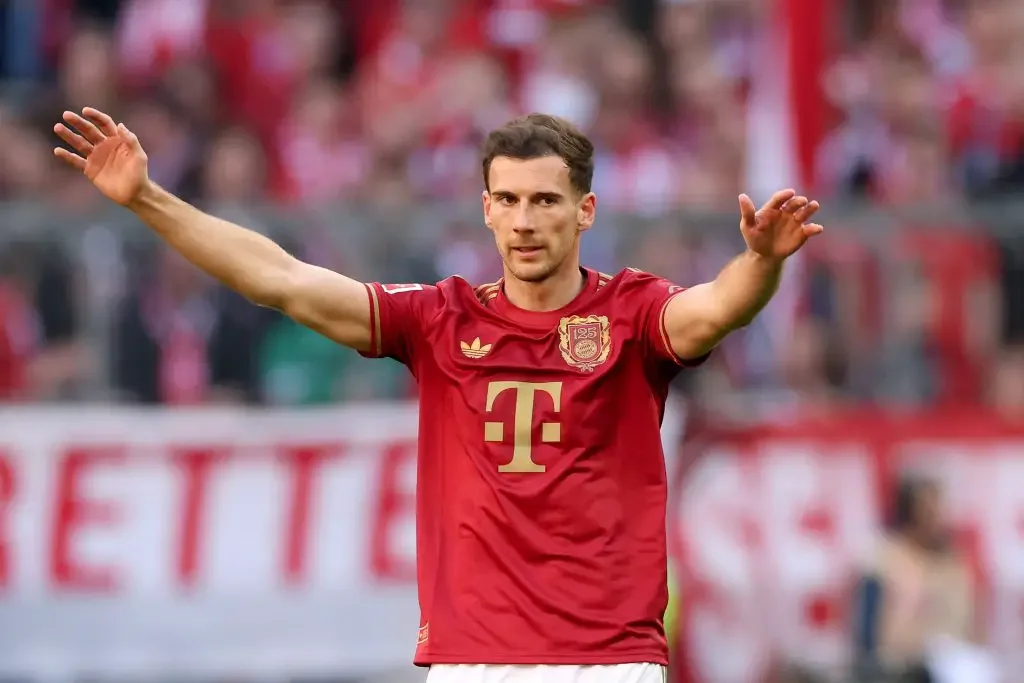
Beyond player-specific decisions, the DFB navigates various challenges and successes. Coach Julian Nagelsmann has been involved in selection decisions, notably recalling Leon Goretzka to the squad after a period of exclusion, citing the player's strong form and alignment with the team's playing philosophy. Furthermore, there are internal shifts, with reports suggesting Benjamin Hübner might join Nagelsmann's coaching staff.
On the women's side, the German national team has seen mixed fortunes, securing an emphatic opening win in World Cup qualifying against Slovenia. They also reached the UEFA Women's Nations League final for the first time, though they ultimately fell to Spain. The women's program has demonstrated resilience and achievement in recent tournaments.
Emerging Talent and Future Prospects
Germany's youth systems continue to produce talent, with several players drawing attention at the UEFA U21 Euros. Names like Woltemade, Nebel, Reitz, Atubolu, and Brown are noted for their contributions and potential. Woeltemade, in particular, boasts an impressive record of goals and assists for the U21s. Goalkeeper Noah Atubolu is also highlighted for his consistent performances at the U21 level.
Read More: Aston Villa interested in Tammy Abraham and Jean-Philippe Mateta for next season
Context and History
The German national team, 'Die Mannschaft', holds a significant place in international football history. It is the only European nation to have won a World Cup on American soil and boasts successes in both men's and women's World Cup competitions. The team's performance is often seen as a reflection of Germany's strong domestic football culture, with the 'Bundesliga' serving as a primary source of international players. The team recently secured its place in further qualifiers after an initial setback, demonstrating a capacity for recovery.