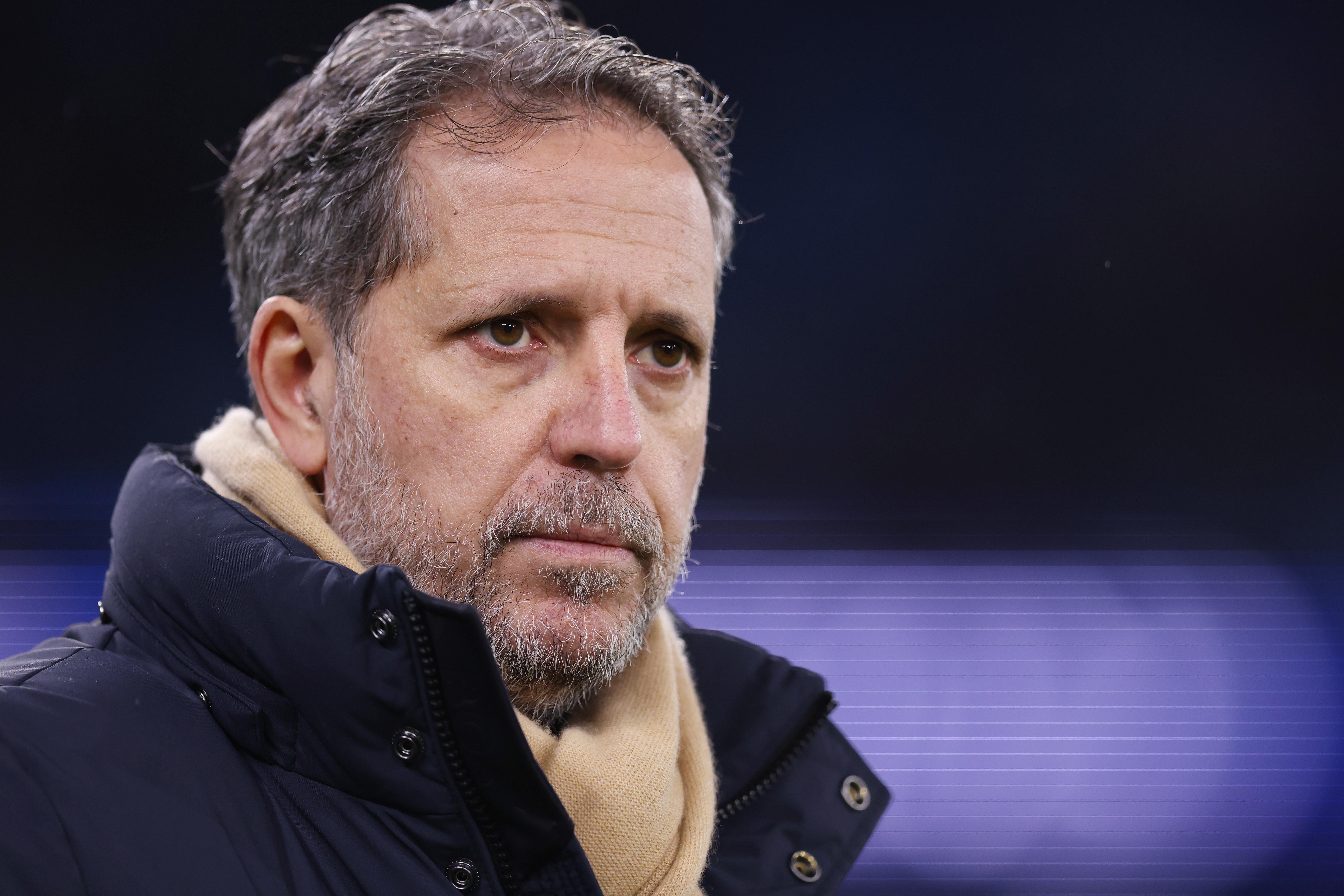
The whispers from Tuscany are growing louder, carrying a pointed observation from a man who knows both sides of the coin. Fabio Paratici, recently unveiled as the new Sporting Director for Fiorentina, has spoken, and his words about his new employers carry an implicit, yet unmistakable, jab at his former club, Tottenham Hotspur. "Fiorentina have a serious set of owners," he stated, emphatically repeating the sentiment. This isn't just a platitude; it's a loaded statement from a man who experienced a tumultuous period in North London, leaving many to wonder: what exactly did Tottenham's ownership lack that Fiorentina's seemingly possess in abundance?
The timing of Paratici's move, and his subsequent remarks, arrive on the heels of a frustrating January transfer window for Tottenham fans. Weeks of speculation culminated in a departure that, while officially sanctioned, left supporters feeling a distinct sense of inertia. While Paratici worked alongside co-sporting director Johan Lange on plans that included targets like Conor Gallagher and Souza, the Deadline Day silence was deafening. Paratici's declaration of Fiorentina having "serious owners" directly contrasts with the palpable frustration at Tottenham, suggesting a deficiency in commitment or strategy from the Spurs hierarchy.
Read More: Grimsby Town vs Salford City: Grimsby Must Win to Advance in Play-offs
A Tangled Exit and a New Beginning: The Paratici Timeline
Fabio Paratici's tenure at Tottenham Hotspur, officially concluding at the end of January, was a period marked by both anticipation and eventual disappointment. His departure, announced midway through the month after weeks of rumbling rumors, saw him commit to assisting with the January transfer window. Yet, for all the planning with Johan Lange—targets like Conor Gallagher and Souza were reportedly on the radar—the club ultimately failed to secure any new signings on the crucial final day of the window. This stark lack of activity, especially after the club's stated ambition to "compete on all fronts," has fueled fan discontent and raised questions about the club's transfer strategy and investment.
Read More: Aston Villa Wants Marcus Rashford Permanently From Barcelona

The circumstances surrounding Paratici's new role at Fiorentina are also layered with poignancy. He revealed that the club's late owner, Rocco Commisso, didn't persuade him to leave Tottenham. Instead, Paratici asserts, he was the one who had to convince Commisso to take him on. Tragically, Commisso passed away on January 17th, just before Paratici could formally begin his new duties. This personal loss adds a somber dimension to Paratici's arrival in Florence, yet his focus appears undeterred, emphasizing the club's "five-star" approach to training, living, and eating.
| * | Key Events in Paratici's Transition | * |
|---|---|---|
| Mid-December | Reports of Fiorentina's interest in Paratici begin to surface in Italian media. | |
| December 15/16 | Paratici reportedly makes the decision to join Fiorentina. | |
| Late December | "Ferrari" reportedly visits London to meet with Paratici. | |
| Early January | Paratici's departure from Tottenham is widely speculated. | |
| January 17 | Fiorentina owner Rocco Commisso passes away. | |
| Mid-January | Tottenham officially announces Paratici's departure. | |
| End of January | Paratici's tenure at Tottenham concludes; he assists with the transfer window. | |
| Post-January Window | Paratici is officially unveiled as Fiorentina's Sporting Director. |
"Serious Owners" vs. A Stagnant Winter: Unpacking the Contrast
Paratici's direct assertion that "Fiorentina have a serious set of owners" begs a critical examination. What constitutes a "serious" owner in the football world, and how might Tottenham's ownership, the ENIC Group led by Daniel Levy, fall short of that standard in Paratici's estimation?
Read More: Newcastle United May Sell Anthony Gordon Amidst Bayern Munich Talks
Financial Commitment: A "serious" owner often implies a willingness to invest significantly in the squad, infrastructure, and long-term vision. Were Tottenham's transfer dealings in January indicative of such commitment, or did they reflect a more conservative approach, perhaps prioritizing financial prudence over immediate squad enhancement?
Strategic Clarity: Does "serious" refer to a clear, communicated plan for the club's future, both on and off the pitch? The reports of Tottenham's desire for a "whole new left side" and midfield upgrades in December, contrasted with the actual January outcome, suggest a potential disconnect between stated ambitions and executed strategy.
Owner-Director Relationship: Paratici's insistence that he convinced Commisso to hire him, rather than the other way around, speaks volumes. It hints at a collaborative approach where the sporting director's vision is actively sought and valued. How does this compare to the dynamics at Tottenham, where decisions are often perceived as being heavily influenced by a singular figure?
Fan Communication and Engagement: While not explicitly stated, the frustration of Tottenham supporters after the quiet Deadline Day could be interpreted as a symptom of a lack of clear communication or expectation management from the ownership.
The departure of Paratici wasn't framed as "reckless" by him, but the narrative surrounding Tottenham's transfer window paints a picture of inertia. The stark difference in Paratici's description of his new employers versus the perceived inaction at Tottenham highlights a potential chasm in ownership philosophy and execution.

The Shadow of Commisso: A Legacy of Passion, A Challenge for Paratici
The passing of Rocco Commisso casts a long shadow over Paratici's new role at Fiorentina. While Commisso himself didn't directly recruit Paratici, his ownership style and vision for the club undoubtedly laid the groundwork for this appointment. Commisso was known for his passionate, hands-on approach, a stark contrast to the more corporate image often associated with football ownership. His ambition for the club, even in its struggling moments, appears to have resonated with Paratici, who seeks to lead Fiorentina out of their current predicament, with the looming threat of Serie B a real possibility.
Read More: Barcelona Wants €70m Chelsea Player: Report
Paratici's task in Florence is far from easy. He arrives at a club battling at the lower end of Serie A, facing the challenge of moving on unwanted players and potentially navigating a restricted transfer market. Unlike his influential role in brokering the Cristiano Ronaldo deal at Juventus, his opportunities in Serie A may be more constrained. Yet, Paratici seems to embrace the challenge, backing himself and his capabilities. He acknowledges the club's current standing but believes they "deserve better." The legacy of Rocco Commisso, a deeply invested and passionate owner, provides a powerful emotional and aspirational backdrop for Paratici's mission, potentially offering a more stable and focused environment than what he experienced in his final months at Tottenham.
Questions That Linger: What Does Tottenham Need?
Fabio Paratici's candid remarks have opened a Pandora's Box of questions for Tottenham Hotspur and their supporters:
Read More: Liverpool Watches Monaco Player Akliouche Amidst Salah Exit Rumors
What specific qualities or actions define a "serious set of owners" in the modern football landscape, and which of these are currently lacking at Tottenham?
Did the club's failure to make January signings stem from a lack of available funds, a reluctance to spend, or a disagreement on targets and strategy between the sporting directors and the ownership?
How can Tottenham Hotspur foster a more cohesive and transparent transfer strategy that aligns with stated ambitions and appeases a demanding fanbase?
Will the contrast in ownership philosophies highlighted by Paratici's comments spur the ENIC Group to re-evaluate their approach to club investment and strategic decision-making?
What lessons can Tottenham learn from Fiorentina's evident "serious" ownership, particularly in building trust and clear communication with their sporting leadership?
The departure of Paratici and his subsequent comments serve as a critical juncture for Tottenham. The narrative of a club standing still while others push forward, coupled with the explicit praise for a new employer's "seriousness," demands introspection from Tottenham's leadership. The coming months will reveal whether these criticisms are acknowledged and acted upon, or if they fade into the background, leaving supporters to ponder what might have been.