Terrorism Deaths Surge, TTP Identified as Primary Driver
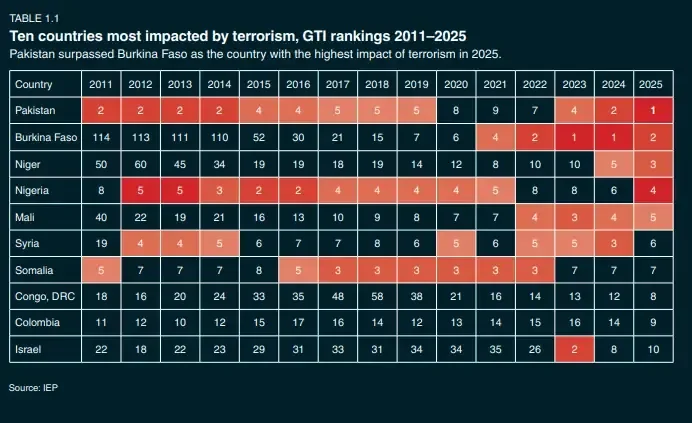
Pakistan has, for the first time, been ranked number one on the Global Terrorism Index (GTI), signaling a disturbing trend of increased violence within its borders. The report, which assesses 163 countries, recorded a 6 percent rise in terrorism-related deaths in 2025, reaching a total of 1,139. This marks the highest number of fatalities since 2013.
The surge in deaths is closely linked to the activities of the banned Tehreek-i-Taliban Pakistan (TTP). The TTP is identified as the deadliest terror group operating in Pakistan and the third deadliest globally, accounting for 56 percent of terrorism-related deaths nationwide. The group's increased activity is attributed, in part, to the resurgence of the Afghan Taliban in Kabul, which has reportedly provided the TTP with greater resources and motivation to expand its operations.
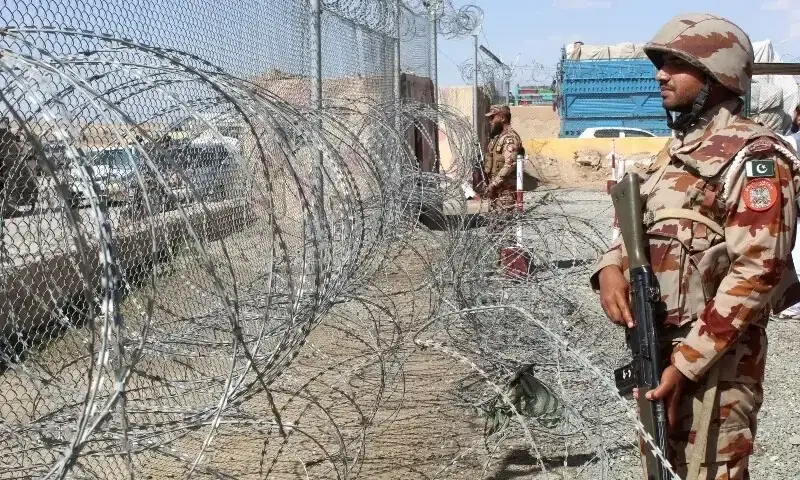
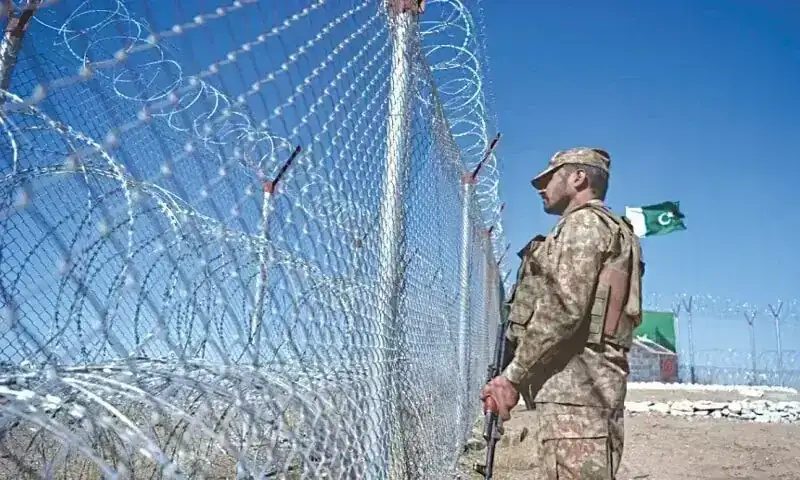
The instability along the Pakistan-Afghanistan border is a recurring theme in the report, with changes in governance in Afghanistan directly impacting Pakistan's internal security. Khyber Pakhtunkhwa and Balochistan provinces have emerged as hotspots, collectively accounting for over 74 percent of terrorist attacks and 67 percent of deaths in Pakistan during 2025.
Read More: Secret Service Promotions After Butler Attack Criticized by Congress

Global Context and Significant Incidents
Globally, while terrorism incidents have seen a decline, Pakistan finds itself among a concerning group of five nations – alongside Burkina Faso, Nigeria, Niger, and the Democratic Republic of the Congo – responsible for nearly 70 percent of all global terrorism deaths. This concentration of fatalities highlights a stark shift in the global terrorism landscape.

A particularly impactful event cited in the report is the 'Jaffar Express attack,' where 442 individuals were taken hostage. This incident significantly contributed to the global increase in hostage-taking figures.
Underlying Factors and Future Considerations
The report points to a complex web of factors contributing to the rise in terrorism. Strained relationships with neighboring countries, particularly Afghanistan, are cited as significant security risks. Analysts suggest that a comprehensive approach, combining kinetic operations with non-kinetic strategies, is necessary to address the root causes of extremism.
Read More: 40 Die in Quetta to Peshawar Bus Crash in Balochistan on April 3 2026
The GTI evaluates countries based on indicators including the number of terrorist incidents, fatalities, injuries, and hostages taken. The report's findings underscore the urgent need for holistic security measures and a re-evaluation of policies aimed at countering extremism in Pakistan.