Pakistan faces a complex fiscal challenge where citizens are burdened with substantial tax payments yet receive little in return from the state. This situation is characterized by a disconnect between tax collection and public services, leading to widespread dissatisfaction and a strained economy. The country's tax system is reportedly grappling with high tax rates that unintentionally fuel an underground economy, while many individuals and businesses appear to pay minimal or no tax despite being registered filers.
A Paradox of Taxation and Public Services
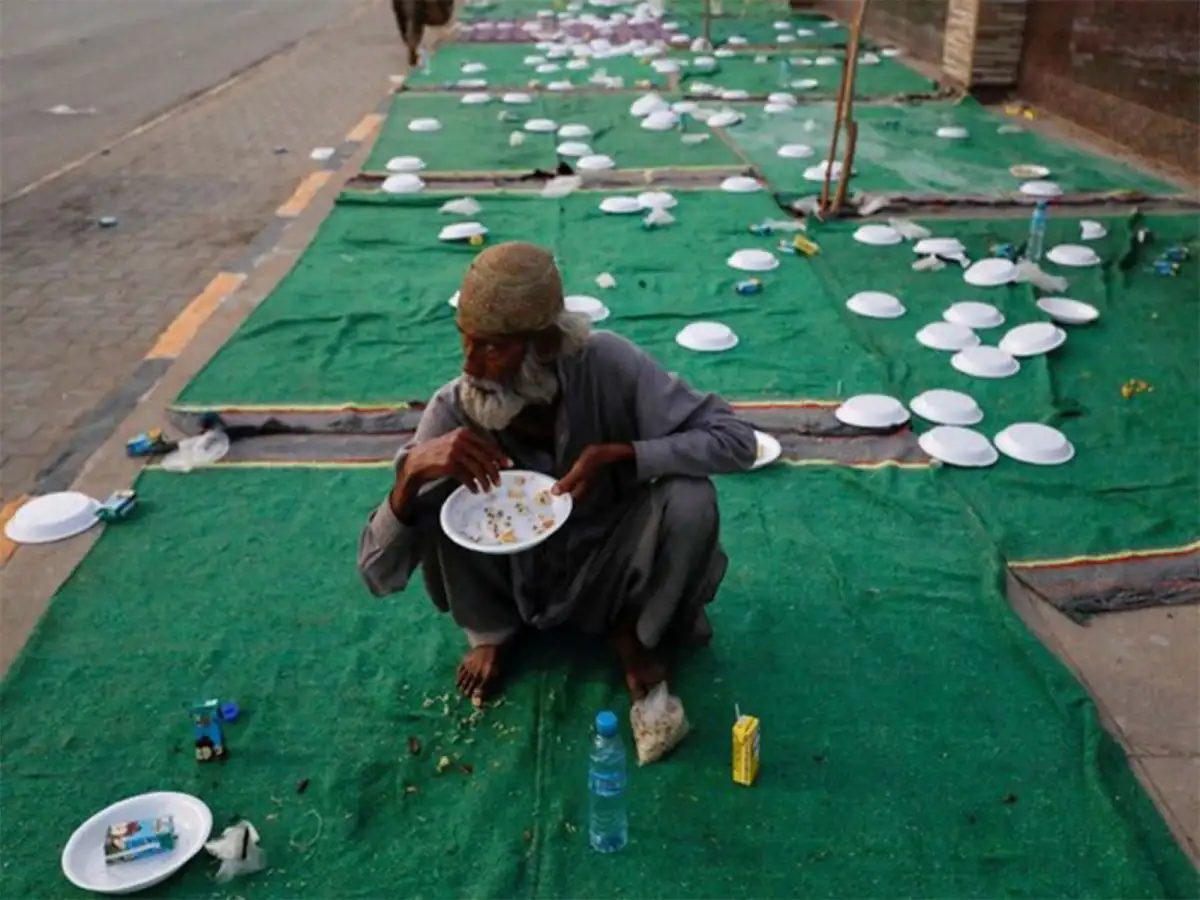
Reports indicate that Pakistan's tax system presents a stark contradiction. While the nation collects taxes, the benefits to its citizens in terms of public services and welfare appear minimal. This situation has been described as a state that "taxes like a welfare system but delivers like a fragile economy." The issue is not necessarily a low tax-to-GDP ratio, but rather an irrational application of taxes.
Read More: Solaris Energy SEI Stock Price Forecast Reaches $91.98 by July 2027
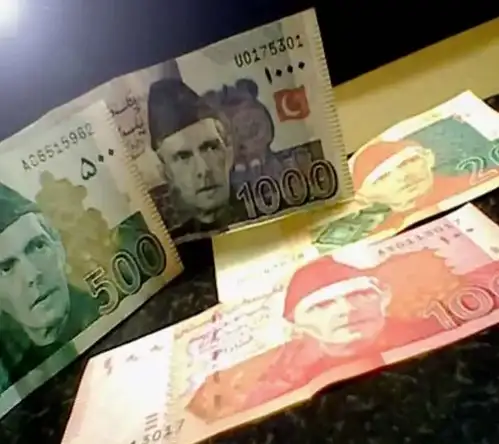
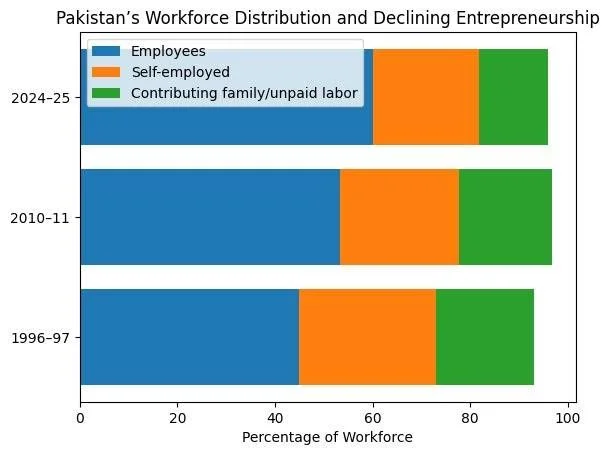
High Tax Burden: Pakistan imposes significant taxes, including sales tax, income tax, and business profits. There's also a heavy reliance on indirect taxes, like those on fuel and utilities, which disproportionately affect lower and middle-income households.
Limited Welfare: Despite these high tax demands, the state's provision of welfare and public infrastructure is perceived as lacking, leading to a diminished sense of return on compliance for taxpayers.
Underground Economy: High tax rates on consumption and income are suggested to have inadvertently spurred an underground economy, making it harder to capture tax revenue effectively.
The "Nil-Return" Phenomenon: A Systemic Flaw?
A significant concern is the growing number of individuals and businesses who file tax returns but report zero income or tax liability. This trend raises questions about the effectiveness of tax collection and enforcement mechanisms.
Apparent Compliance, Actual Non-Contribution: Millions of tax filers report no earnings, even as they display signs of significant wealth. This includes owning luxury vehicles, expensive homes, and engaging in frequent foreign travel.
Tax Enforcement Efforts: Tax authorities have reportedly turned to social media to find evidence of undeclared wealth and counter tax evasion.
Discrepancy in Filers vs. Contributors: While the number of tax filers may be increasing on paper, the actual tax contribution from these individuals remains very low, with reports indicating around 38% of individual taxpayers reporting no income despite filing.
Weaknesses in Tax Structure and Enforcement
Critics point to several structural issues and policy choices that contribute to the current fiscal difficulties. The system is described as taxing people heavily without providing adequate benefits.
"Weaponized" Withholding Taxes: Pakistan is said to have "weaponized" various forms of taxes, including withholding, advance, and minimum taxes, designed to extract revenue even when profits are not apparent.
Narrow Tax Base: A disproportionate burden falls on a small segment of the population, including salaried individuals, documented businesses, and compliant exporters, who finance a large public administration.
Untapped Potential: Significant tax potential is believed to lie within sectors like agriculture, real estate, and the informal service sector, which remain largely outside the effective tax net. Politically connected individuals have reportedly used agricultural income declarations as a shield.
Consequences for Economic Growth and Trust
The prevailing tax environment is seen as detrimental to Pakistan's economic growth and has eroded public trust in the system.
Discouraged Investment: A lopsided tax system that offers little in return is thought to slow economic growth and discourage investment.
Erosion of Trust: High taxation without corresponding welfare delivery has not only failed to generate effective revenue but has also weakened the formal economy and diminished taxpayer trust.
Financial Strain: Increased indirect taxes on essential goods and services have intensified financial pressure on households and forced some businesses to scale back operations or close down, leading to job losses.
Expert Insights and Public Sentiment
Reports highlight growing public frustration and media commentary pointing towards systemic failures. The situation is characterized by a sense of injustice, where a compliant segment of the population bears the brunt of taxation while others, including the affluent, appear to avoid their fiscal responsibilities. This has led to a situation where citizens feel they are paying high taxes but receiving no tangible benefits in return.
Read More: 40 Die in Quetta to Peshawar Bus Crash in Balochistan on April 3 2026
Sources Used:
Article 1: https://www.firstpost.com/explainers/pakistan-tax-evasion-zero-income-fbr-reforms-imf-crisis-13937912.html
Article 2: https://thefridaytimes.com/21-Feb-2026/pakistan-s-tax-trap-high-taxes-without-welfare-strangling-growth
Article 3: https://www.newkerala.com/news/a/pakistans-citizens-pay-high-taxes-get-nothing-return-572.htm
Article 4: https://www.news18.com/explainers/pakistans-income-tax-crisis-why-are-millions-dodging-payments-while-authorities-look-away-shil-ws-l-9605651.html
Article 5: https://dailytimes.com.pk/1295207/pakistans-tax-paradox/
Article 6: https://pktaxcalculator.com/blogs/when-filing-taxes-means-paying-nothing-pakistans-growing-nil-return-problem/
Article 7: https://pkrevenue.com/pakistans-tax-puzzle-why-more-filers-arent-filling-the-coffers/
Article 8: https://tribune.com.pk/letter/2256288/burden-of-high-taxes