Mass distribution of physical phone books has collapsed into a Permission-Based model as state regulators strip away decades-old requirements for automatic delivery. Public utility commissions in regions like Pennsylvania and Kentucky no longer mandate that telecom providers dump paper directories on every doorstep. Current shifts show that companies like AT&T have moved to a "request-only" system or stopped distribution entirely, citing a near-total evaporation of consumer demand.

The Legislative Rot of the White Pages
Telephone companies are pivoting away from the expense of printing static data that spoils the moment it hits the porch. The machinery of this disappearance is legal, not just cultural:

In Pennsylvania, the Utility Commission now only requires companies to provide a White Pages book if a customer specifically asks for one.
In Kentucky, the Public Service Commission confirms that paper distribution is no longer a general requirement, steering users toward Digital Directories instead.
AT&T Media Relations confirms the company has largely ceased unsolicited mailings of these volumes.
"Requests for physical phone books have shrunk to almost nothing." — Jeffers, on the obsolescence of the Yellow Pages.
The Friction of Static Information
The collapse of the phone book is a byproduct of the shift from the fixed landline to the erratic, private nature of the Cell Phone. Physical directories functioned on the assumption that a person’s location and number were permanent fixtures of their identity.
Read More: Chrome mimeHandler API lets extensions handle file types
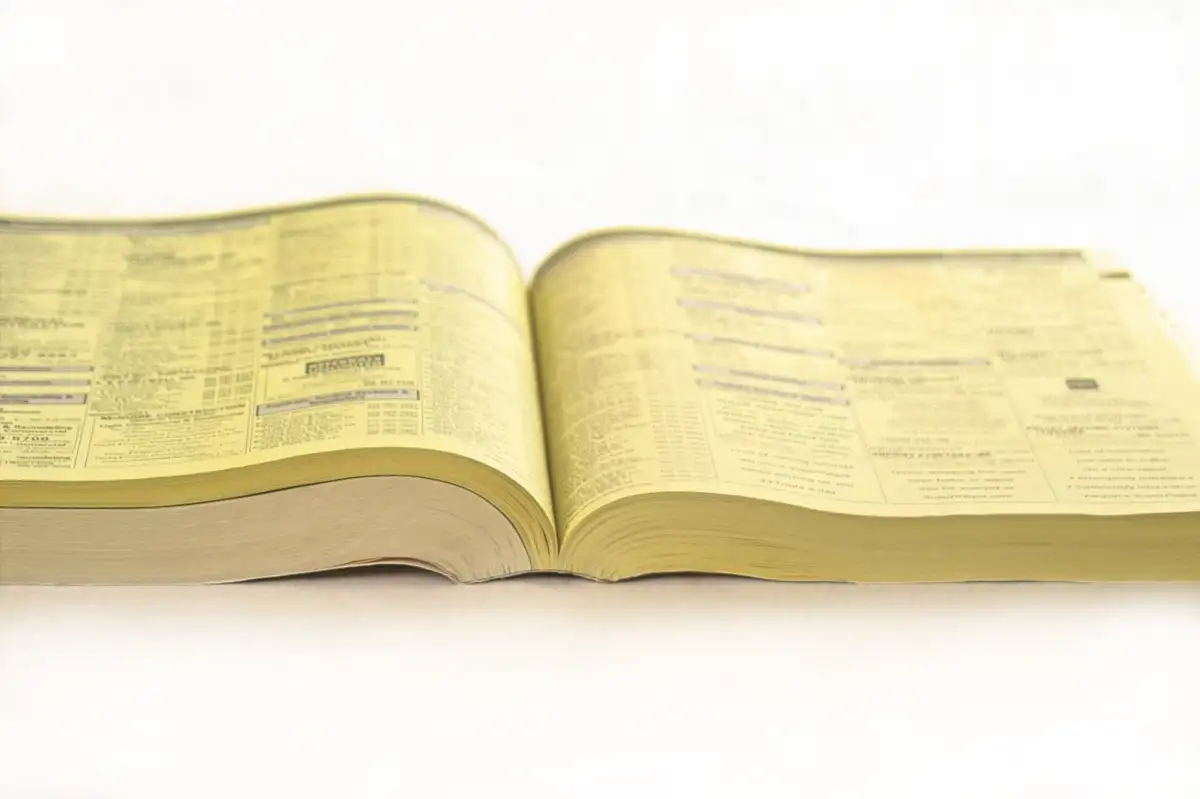
| Directory Era | Status of Information | Privacy Level |
|---|---|---|
| Traditional Paper | Static; updates once per year | Public by default; "Arrival" in society |
| Modern Digital | Real-time; updates instantly | Fragmented; permission-heavy; opt-in |
The friction of paper lies in its inability to sync. Modern business listings and personal contacts now exist as Dynamic Streams that update across devices. The paper book, by contrast, became a nuisance—a thick slab of outdated wood pulp that functioned more as a doorstop than a tool for connection.
A Fragmented Landscape of Remnants
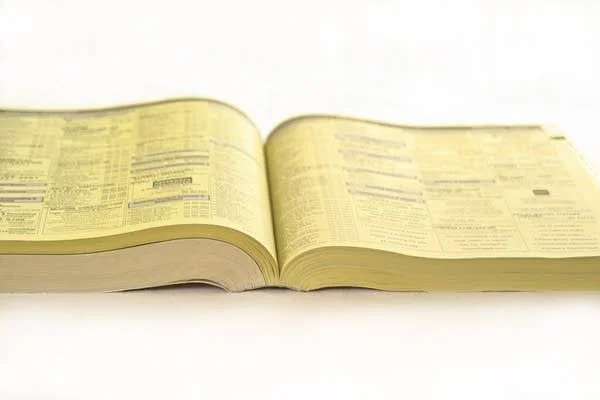
While the death is widespread, it is not uniform. In pockets like Eastern Volusia County, residents still report receiving books, leading to confusion among younger demographics who view the objects as Archaeological Relics. The lack of a centralized "Cell Phone Directory" remains the final barrier to the total extinction of the format; privacy laws and the commercial value of mobile numbers prevent a modern equivalent of the White Pages from existing.
Background: From Social Status to Scrap
For much of the 20th century, appearing in the phone book was a marker of Social Inclusion. To be listed was to exist in the civic ledger.
The Yellow Pages offered a monopoly on business discovery before the algorithmic search era.
The White Pages acted as a verified map of the community.
As landlines are abandoned, the data source for these books has dried up.
The move toward Environmental Utility and the cost-cutting measures of telecom giants have finally aligned with a public that finds its answers on glass screens rather than through the ink-stained thinning paper of the past. The phone book did not die from a single blow; it was starved of its data by the mobile phone and stripped of its legal protection by regulators tired of managing the waste.