


Oxfordshire County Council, facing a significant financial shortfall related to Special Educational Needs and Disabilities (SEND) provision, has received a substantial debt write-off from the UK government. While this move offers a reprieve, the council acknowledges that it is "not out of the woods yet," signalling ongoing financial pressures and the need for systemic reform.
Financial Relief Amidst Widespread Strain
Oxfordshire County Council's forecast SEND debt stood at approximately £163 million by the end of the financial year in March. The government's decision to wipe out a significant portion of this debt, announced just before the council's annual budget agreement for 2026/27, is seen as a welcome development. This intervention comes at a critical juncture for local authorities across England, many of whom have warned of potential insolvency due to escalating SEND costs.
Read More: Schools Watch Student Devices, Raising Privacy Worries

The council still faces a gap of around £16 million to find in its budget.
The government's plan, expected to cover 90% of deficits accrued up to the end of the current financial year, is designed to alleviate immediate financial burdens.
This measure aims to allow local authorities to refocus on improving outcomes for children with SEND rather than solely on financial management to avoid insolvency.
The Broader SEND Deficit Crisis
The situation in Oxfordshire reflects a national crisis in SEND funding. Research indicates that England's councils are collectively facing an estimated £18 billion SEND deficit. This surge in costs is largely attributed to:
An increase in the number of children and young people requiring Education, Health and Care (EHC) plans over the past decade.
A significant rise in reliance on expensive private school placements, which have reportedly increased by 165% since 2015.
Read More: Retirees Need Cars But Worry About Money
Local government bodies, such as the Local Government Association (LGA) and the County Councils Network (CCN), have consistently called for government intervention, including the outright cancellation of existing deficits and comprehensive reform of the SEND system. These organizations argue that a failure to act risks "total collapse" and pushes councils to the "financial brink."

"Time is of the essence: the Government’s continuing inaction only compounds the difficult experiences for families, letting down thousands of young people whilst pushing councils to the financial brink." - Cllr Amanda Hopgood, Chair of the Local Government Association’s Children, Young People and Families Committee.
The Path to Reform: Conditions and Concerns
The government's offer to write off 90% of historical SEND deficits is contingent upon local authorities securing approval for a SEND local reform plan. This stipulation highlights the government's intention to address the root causes of the financial strain. However, concerns persist:
Read More: Education Helps People and Countries Get Richer
Uncertainty regarding future funding: Arrangements for future financial years remain unclear.
"Fairness issues": Some have raised questions about the equity of a debt write-off without conditions on future cost reduction measures.
Risk of deficit recurrence: Councils warn that without fundamental system reform, deficits could quickly reappear even after the current debt is cleared.
The government is expected to detail its reform proposals in a delayed Schools White Paper, anticipated in the coming weeks. This paper is crucial for outlining strategies to curb spending growth while addressing the complex needs of children with SEND and potentially reforming how these services are commissioned and delivered.

Oxfordshire's Compounding Financial Pressures
Beyond the SEND deficit, Oxfordshire County Council faces other significant financial challenges, including:
Government funding formula changes: A shift in funding distribution aims to redistribute funds to areas with higher levels of deprivation, leading to potential reductions for Oxfordshire.
Increased demand in adult social care: This service accounts for more than half of the council's budget, placing further strain on resources.
Asylum seeker support costs: The council has reported significant spending on supporting asylum-seeking children, adding to its financial commitments.
Read More: India's Market Rules Made Simpler to Help Businesses and Investors
These additional pressures underscore why the council maintains it is "not out of the woods yet," despite the welcome relief from the SEND debt write-off.
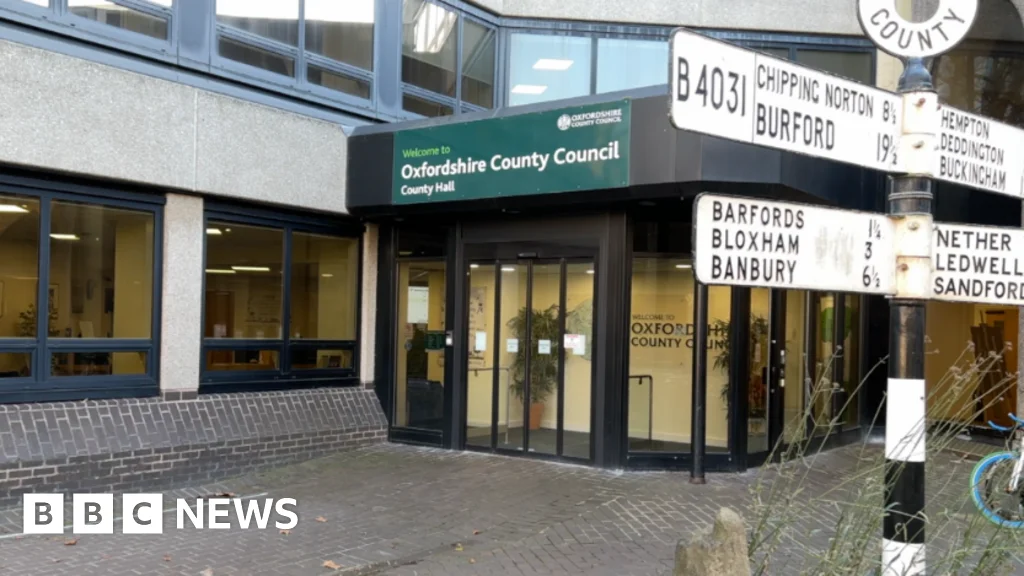
"The pressures on local government, including adult social care and special educational needs (SEND), were a “direct consequence of national government decisions”." - Statement from Oxfordshire MPs.
Expert and Council Perspectives
Local Government Association (LGA): Welcomes the government's announcement but emphasizes the need for a long-term system fix, stating, "fully writing off historic and future high needs deficits remains critical."
Institute for Fiscal Studies (IFS): Previous reports indicated a projected £6 billion gap between expected funding and SEND costs in 2028/29, highlighting the ongoing financial challenge.
Oxfordshire County Council: Acknowledges the debt write-off as positive but reiterates ongoing financial challenges, noting a projected deficit and the need to find savings.
Read More: New School Opens in City Center
MPs representing Oxfordshire: Criticised potential funding cuts, labelling them "not sustainable, not fair, and not responsible" given rising demand for services.
Conclusion: A Partial Solution to a Systemic Problem
The government's decision to forgive a significant portion of Oxfordshire's SEND debt represents a critical, albeit partial, solution to an acute financial crisis affecting local authorities nationwide. This intervention offers immediate relief and potentially frees up resources for essential service improvements.
However, the underlying issues driving the SEND deficit – increasing demand, reliance on costly external placements, and a system perceived as broken – remain. The success of this measure will ultimately depend on the effectiveness of the forthcoming SEND reforms outlined in the Schools White Paper and the council's ability to manage its other compounding financial pressures. Without a robust, long-term strategy that addresses the systemic weaknesses of the SEND system, the risk of future deficits and further financial instability for councils like Oxfordshire persists.
Key Sources and Context:
heraldseries.co.uk: Reports on Oxfordshire's specific situation regarding the SEND debt write-off and its ongoing financial outlook.https://www.heraldseries.co.uk/news/25845754.oxfordshire-not-woods-despite-send-payout/
localgov.co.uk: Provides national context on the scale of the SEND deficit crisis (£18bn) and calls for reform and debt write-offs from local government bodies.https://www.localgov.co.uk/SEND-debt-hit-18bn/63447https://www.localgov.co.uk/Government-to-pay-off-90-of-SEND-deficits/63836
cypnow.co.uk: Details the government's agreement to provide grant funding for 90% of SEND deficits, contingent on approved reform plans, and the sector's reception.https://www.cypnow.co.uk/content/news/government-agrees-to-wipe-out-most-of-council-send-debt
theguardian.com: Highlights the widespread risk of insolvency among English local authorities due to SEND costs and mentions the potential for a £4.6bn deficit. Also discusses concerns about fairness and the impact on other council services.https://www.theguardian.com/education/2026/feb/05/send-costs-bankrupt-english-local-authoritieshttps://www.theguardian.com/society/2025/feb/28/almost-half-of-englands-councils-could-face-bankruptcy-over-deficithttps://www.theguardian.com/education/2025/mar/30/councils-england-insolvency-risk-send-costshttps://www.theguardian.com/education/2025/mar/30/english-councils-send-debt-analysis
LBC: Reports on the government's commitment to pay off 90% of SEND deficits and CCN's call for complete debt cancellation and investment in preventative support.https://www.lbc.co.uk/article/councils-send-deficits-finance-5HjdMqQ2/https://www.lbc.co.uk/article/government-to-write-off-90-of-councils-past-send-deficits-5HjdS522/
oxfordmail.co.uk: Details specific financial challenges for Oxfordshire, including asylum seeker support costs and broader funding cuts from the government. Also reports on other Oxfordshire councils' debt.https://www.oxfordmail.co.uk/news/25833439.asylum-seeker-support-spending-tops-47m-oxfordshire/https://www.oxfordmail.co.uk/news/25839203.mps-slam-cuts-oxfordshire-council-funding-budget/https://www.oxfordmail.co.uk/news/25416394.councils-debt-will-cleared-mid-2050s-earliest/
news.oxfordshire.gov.uk: Provides the council's perspective on coping with government funding cuts and the need to balance budgets.https://news.oxfordshire.gov.uk/council-budget-update/
bbc.co.uk: Reports on Oxfordshire County Council disputing claims about funding injections, presenting a bleaker financial picture.https://www.bbc.com/news/articles/cvgqk2dkzgyo
thisisoxfordshire.co.uk: Shows an increase in Oxfordshire County Council's debt over a year.https://www.thisisoxfordshire.co.uk/news/25412184.oxford-council-debt-rises-almost-70-million-year/
economicshelp.org: Provides general economic context on UK debt and repayment.https://www.economicshelp.org/blog/5655/economics/can-the-uk-ever-pay-off-its-debts/
Read More: Money Spent, Project Slow: Questions About Sector 7G Funds


