

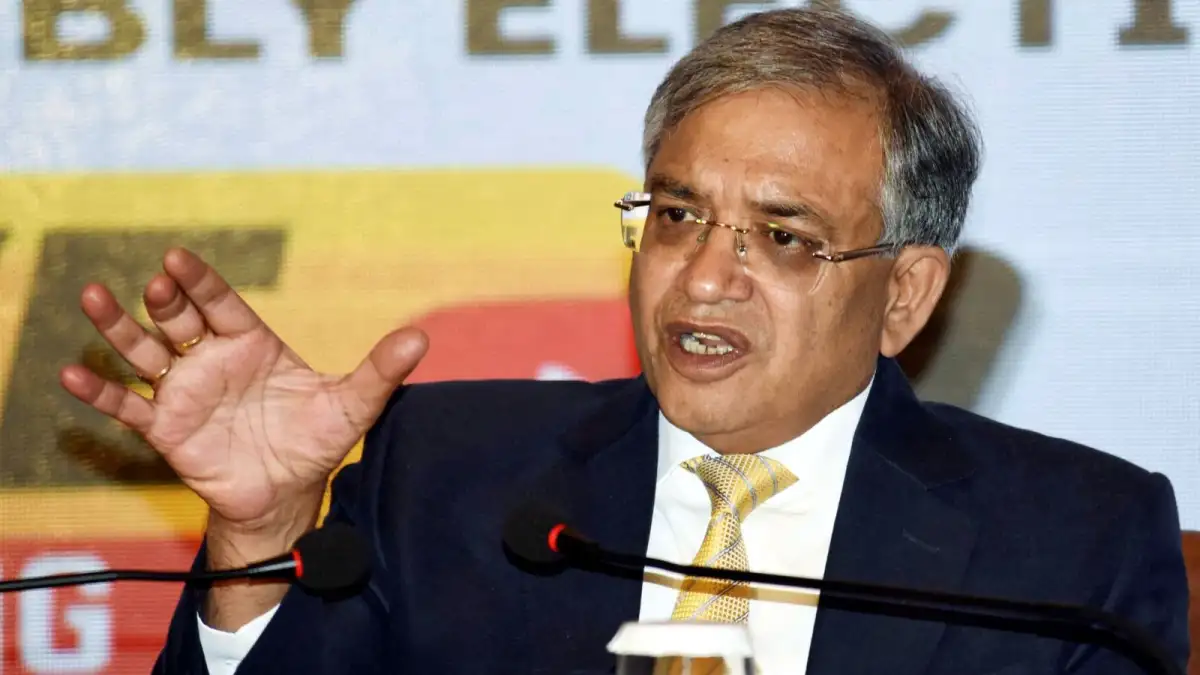
A significant political maneuver is unfolding in Parliament as opposition parties, coalescing under the INDIA bloc, are reportedly preparing to introduce a motion seeking the impeachment of Chief Election Commissioner (CEC) Gyanesh Kumar. This move, spearheaded by the Trinamool Congress, signifies a sharp escalation in tensions between the opposition and the ruling NDA government, casting a shadow over the electoral body's impartiality.

The core of the opposition's stated grievance revolves around allegations of misconduct and a perceived undermining of the Election Commission of India's (ECI) constitutional duty to ensure a free and fair electoral system. This culminates after a period of public disagreement, including the Trinamool Congress chief's protest against the deletion of voters from electoral rolls in West Bengal and an earlier walkout from a meeting with the CEC and other election commissioners, citing accusations of arrogance and humiliation. The opposition contends that the ECI is "working together" with the ruling party to "deprive people of their voting rights."
Read More: Putin's Health Speculation Grows After Public Appearances Show Bulging Veins and Shaking
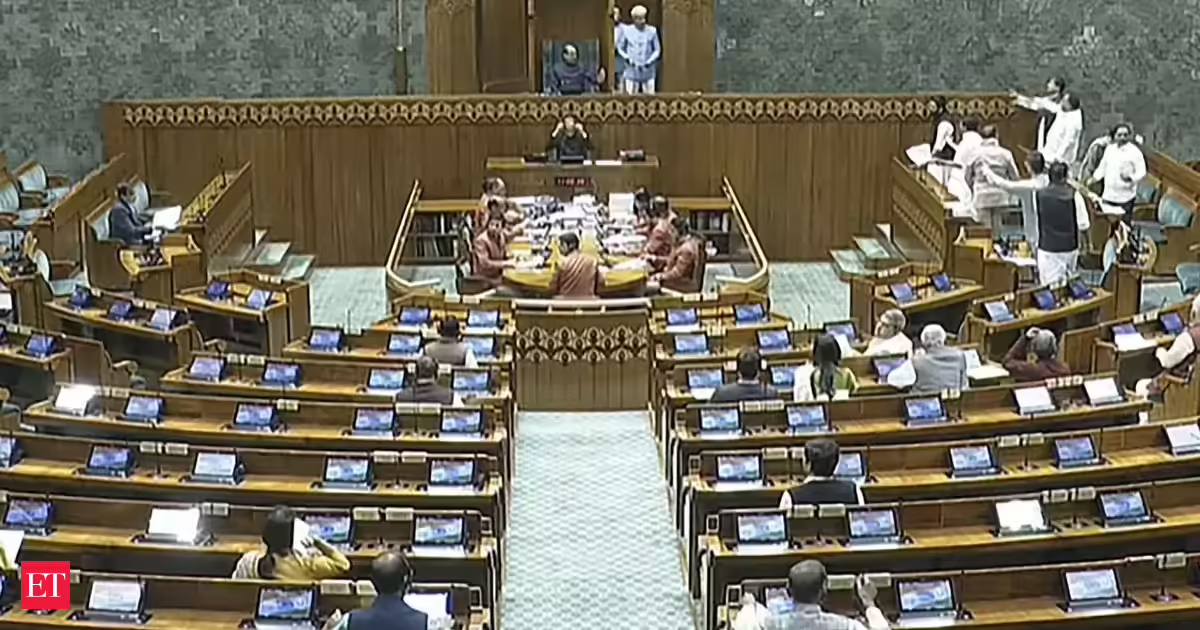
The process for such a removal mirrors that for a Supreme Court judge. It necessitates the introduction of a notice requiring the support of at least 100 Members of Parliament in the Lok Sabha or 50 in the Rajya Sabha. Should the motion be admitted by the respective House's Chair, a three-member investigative committee will be formed. This committee would comprise a Supreme Court judge, a Chief Justice of a High Court, and a distinguished jurist. Ultimately, the President issues the final order for removal after approval from both Houses of Parliament.
The INDIA bloc parties are deliberating on the specific House in which to table the motion, with coordination efforts underway to ensure the requisite numbers. This planned action comes in the wake of, and potentially in conjunction with, a no-confidence notice already filed against Lok Sabha Speaker Om Birla. Notably, while the Trinamool Congress did not initially sign the motion against the Speaker, they have indicated a willingness to support the impeachment move against CEC Kumar, a gesture seen by some as an attempt to bolster opposition unity and potentially appease Mamata Banerjee. The timing of the impeachment proceedings is being watched closely, particularly in relation to the upcoming discussion on the Speaker's removal.
Read More: India Sets New Green Ammonia and Methanol Emission Rules for Trade
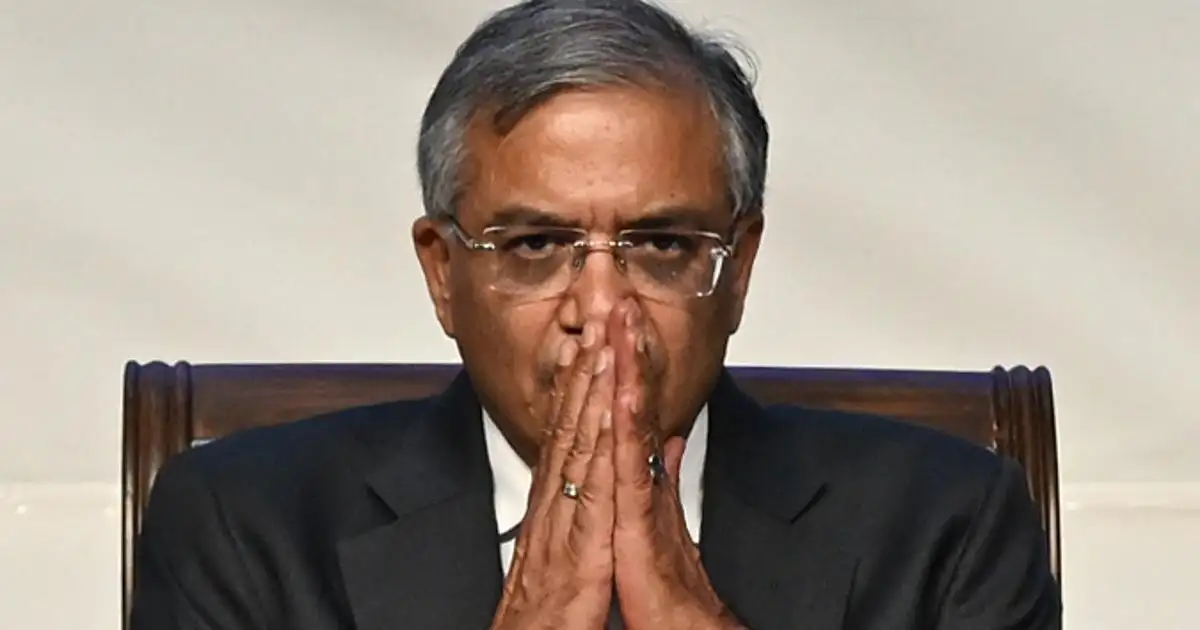
Background: Constitutional Process and Political Context
The Chief Election Commissioner and other Election Commissioners (Appointment, Conditions of Service and Term of Office) Act, 2023, outlines the grounds for removal. Section 11 (2) of the Act explicitly states that the CEC "shall not be removed from his office except in like manner and on the like grounds as a Judge of the Supreme Court." This legal framework provides the basis for the opposition's planned impeachment motion.
The allegations prompting this move appear multifaceted. While general claims of "misconduct" and undermining the ECI's authority are cited, specific concerns have been raised regarding electoral roll revisions. Reports detail accusations of duplicate voters, those with invalid addresses, bulk voters at single addresses, and voters with invalid photos, as well as the alleged misuse of Form 6 for new voters. These issues have been particularly prominent in the context of West Bengal's electoral roll revisions.
Read More: Trump's Iran 'Vibes-Based' Plan Faces Questions in Washington
This political confrontation underscores a broader pattern of legislative and constitutional challenges being mounted by the opposition against the ruling administration. The potential for simultaneous challenges to the Lok Sabha Speaker and the Chief Election Commissioner signifies a heightened level of parliamentary contestation. The coordination among INDIA bloc allies, including the Congress and the Trinamool Congress, in navigating these moves reflects an ongoing effort to consolidate opposition fronts.