The 2026 Winter Olympics, barely underway in Milan Cortina, are already mired in a bizarre and disturbing scandal dubbed "Penis-Gate." Whispers and now formal accusations suggest that some male ski jumpers, desperate for an edge, may be resorting to extreme and dangerous methods to enhance their performance. Reports indicate athletes are allegedly undergoing cosmetic procedures, specifically hyaluronic acid injections, to enlarge their penises, believing this somehow aids their flight through the air. This shocking development casts a dark shadow over the spirit of fair play and raises serious questions about the lengths to which athletes will go in pursuit of gold, and the governing bodies' ability to police such unconventional and potentially harmful "enhancements."
The controversy first gained traction in the lead-up to the Games, with ski jumping emerging as the focal point. While the exact origins of the "Penis-Gate" moniker are murky, its impact is undeniable. Reports suggest that some ski jumpers might be using hyaluronic acid injections into their genitals. The purported — and highly questionable — theory is that an enlarged penis could somehow influence aerodynamics or provide a stability advantage during high-speed jumps.
Read More: Italian Athletes Do Well at Home in Winter Olympics
This isn't the first time ski jumping has been embroiled in controversy over equipment and regulations. Last year, two Norwegian Olympic medalists, Marius Lindvik and Johann Andre Forfang, along with team officials, faced sanctions after their suits were found to have been illegally modified.

The 2025 Incident: Head coach, an assistant coach, and a technician received an 18-month ban. The jumpers themselves were suspended for three months.
The Allegation: Suits were "illegally restitched" in the crotch area to make them larger, presumably to gain an aerodynamic advantage.
The Link to Today: This past incident highlights a recurring theme in ski jumping: a constant battle to maintain fair play and prevent athletes from seeking undue advantages through questionable means.
The current "Penis-Gate" allegations, however, push the boundaries of absurdity and concern far beyond suit modifications. The idea of athletes undergoing non-medically indicated injections for performance enhancement is not only dangerous but also deeply unsettling.
The Physics (or Lack Thereof) of "Penis-Gate"
The core of the "Penis-Gate" scandal lies in a baffling premise: that an enlarged penis can somehow translate to better performance in ski jumping. This theory, if it can even be called that, seems to defy basic physics.
Read More: Mikaël Kingsbury Wins Olympic Silver Medal in Moguls
Ski jumping performance is primarily dictated by a complex interplay of factors:

Take-off Speed and Power: The athlete's explosive force at the point of launch.
Aerodynamic Positioning: The body's posture and the efficiency of the ski suit in generating lift and minimizing drag.
Wind Conditions: Updrafts and crosswinds significantly impact flight distance and stability.
Equipment: The design and tuning of skis and suits are heavily regulated to ensure fairness.
"Elite ski jumpers are aware of the advantage and have already crotch-rocketed to scandal with related schemes." (Ars Technica)
The notion that a cosmetic enhancement in the genital region could offer a tangible, competitive advantage in this highly technical sport is, to put it mildly, dubious.
Probing Question: What specific aerodynamic principle or physical law is claimed to be leveraged by an enlarged penis in ski jumping? Who is making these claims, and on what scientific basis?
Read More: Lindsey Vonn Hurt in Ski Race Crash
The reports mention hyaluronic acid, a substance commonly used in cosmetic fillers. While generally safe for its intended cosmetic purposes, its injection into the genital area carries risks, including infection, pain, and potential complications.
Crucial Insight: The reported "enhancement" is not a sanctioned medical procedure for athletes, raising immediate red flags about athlete safety and the potential for long-term health consequences.
A History of Olympic Shenanigans: Beyond the Jumps
While "Penis-Gate" might be a new level of bizarre, the Olympics have a long and storied history of cheating scandals that have tested the integrity of the Games. These incidents, ranging from the outright fraudulent to the subtly deceptive, serve as a stark reminder that the pursuit of victory can sometimes lead athletes and their teams down dark paths.
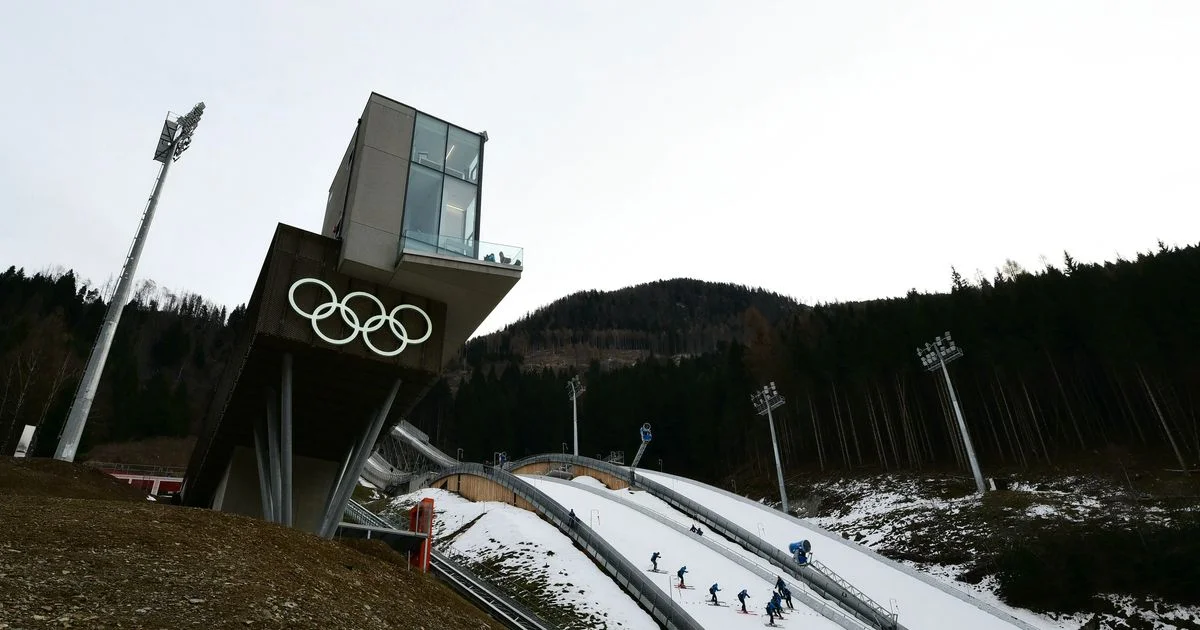
Consider the infamous cases that have plagued various Olympic disciplines:
Read More: Matt Weston Leads Skeleton Race, Close to Olympic Gold
Drug Cheating: The most common form of doping, involving performance-enhancing drugs, has led to countless disqualifications and tarnished reputations. A notable early example was Hans-Gunnar Liljenwall, a Swedish modern pentathlete disqualified in 1968 for excessive alcohol consumption before a shooting event. While not a drug in the typical sense, it demonstrated a lapse in judgment and a search for an edge. (National Post)
Technological Tampering: Beyond the ski suit modifications in jumping, athletes have been caught using illegal equipment or exploiting technological loopholes.
Rule Bending in Modern Pentathlon: This multi-disciplinary sport, requiring athletes to compete across five distinct events (running, swimming, fencing, shooting, and equestrian show jumping), has seen its share of peculiar cheating allegations. While not directly related to "Penis-Gate," the variety of cheating methods employed across different sports underscores the constant vigilance required. (National Post)
Critical Question: Given this history, why is the International Ski and Snowboard Federation (FIS) seemingly caught off guard by such an outlandish claim, or are they merely being slow to acknowledge the severity of the potential issue?
The "Penis-Gate" scandal, in its unique absurdity, echoes these past transgressions by revealing a willingness among some to push the boundaries of what is considered acceptable, and even physically possible, in the quest for Olympic glory.
The Governing Bodies' Tightrope Walk: Regulation vs. Absurdity
The emergence of "Penis-Gate" presents a unique challenge for sports governing bodies like the International Ski and Snowboard Federation (FIS) and the International Olympic Committee (IOC). They are tasked with ensuring fair competition, but how does one regulate a scandal involving alleged cosmetic medical procedures?
Read More: Spurs Look at Tactics and Player Choices

The situation demands a multi-faceted approach:
Investigation: A thorough and impartial investigation into the claims is paramount. This would likely involve interviews, potentially medical examinations (though the ethics and practicality of this are highly questionable given the nature of the alleged procedure), and scrutiny of any patterns in athlete performance.
Regulation Updates: If the allegations hold any water, FIS may need to consider new regulations.
Measuring Standards: One report suggests FIS might move away from scanners to manual measurement of stride length. This raises questions about its effectiveness against more invasive forms of "enhancement." (Olympic First)
Medical Screening: The feasibility of implementing medical screenings for such procedures is highly complex, both technically and ethically.
Athlete Welfare: The governing bodies must prioritize athlete safety. If athletes are indeed resorting to such dangerous procedures, it points to immense pressure and a potential cry for greater psychological support and education on the risks involved.
Key Fact: The FIS is reportedly considering manual measurement of stride length, an apparent reaction to concerns about illegal suit modifications and potentially linked to the broader "Penis-Gate" whispers. (Olympic First)
Read More: Chloe Kim Tries for Third Gold Medal Today
The controversy also highlights the public relations nightmare faced by the IOC and FIS. The sensational nature of the scandal, amplified by the internet's capacity for virality, risks overshadowing the actual sporting achievements of the Games.
Urgent Question: Beyond suit regulations, what concrete steps are being taken to address the alleged use of non-approved medical procedures for performance enhancement, and how will the privacy and dignity of athletes be respected during any investigation?
Conclusion: A Chilling Precedent or an Absurd Anomaly?
The "Penis-Gate" scandal at the Milan Cortina Winter Olympics is more than just a salacious headline; it's a deeply concerning indicator of the extreme pressures athletes face and the potential lengths they might go to in pursuit of victory. The alleged use of hyaluronic acid injections by ski jumpers, while seemingly outlandish, taps into a historical undercurrent of cheating and a relentless search for competitive advantages.
Read More: Top Girls' Basketball Teams Stand Out in Southern California
The scandal forces us to confront uncomfortable truths:
Athlete Pressure: The immense psychological toll of elite competition, where the difference between gold and obscurity can be razor-thin.
Ethical Boundaries: The constant blurring of lines between acceptable training, technological enhancement, and outright cheating.
Governing Body Efficacy: The ongoing challenge for sports organizations to stay ahead of increasingly sophisticated and sometimes bizarre methods of deception.
Immediate Implication: The "Penis-Gate" scandal could set a chilling precedent for performance enhancement, pushing the boundaries of what is considered "doping" into entirely new, and medically risky, territories.
Whether "Penis-Gate" proves to be an isolated incident born of a fringe few's desperation or the harbinger of more extreme doping methods to come remains to be seen. What is clear is that the integrity of the Winter Olympics, and indeed all of sports, is perpetually under scrutiny, requiring constant vigilance, ethical fortitude, and a willingness to confront even the most bizarre of challenges head-on. The world is watching, and demanding answers.
Read More: Elizabeth Lemley Wins Moguls Gold After Big Mistake by Champion
Sources:
Express.co.uk: https://www.express.co.uk/sport/othersport/2167977/winter-olympics-live-day-one
Ars Technica: https://arstechnica.com/health/2026/02/penisgate-erupts-at-olympics-scandal-exposes-risks-of-bulking-your-budge/
Mirror.co.uk: https://www.mirror.co.uk/sport/other-sports/winter-olympic-games-cheating-scandal-36643915
Google News (Olympics/Penis): https://news.google.com/stories/CAAqNggKIjBDQklTSGpvSmMzUnZjbmt0TXpZd1NoRUtEd2l6MC1lOUVCSFU1TXdjR1VNc0RDZ0FQAQ?hl=en-US&ceid=US%3Aen
National Post: https://nationalpost.com/sports/olympics/2026-olympics-ski-jumping-penis-gate-more-scandals
HuffPost: https://www.huffpost.com/entry/2026-winter-olympics-milan-cortina-latest-updatesn6972065ee4b0dfed77989a6a
Olympic First: https://olympicfirst.com/winter-olympic-sport-rocked-by-penis-gate-controversy/
The Nightly: https://thenightly.com.au/sport/winter-olympics-2026-ski-jumping-hit-by-penis-gate-scandal-over-acid-injection-claims-c-21335832