The chilling 911 dispatch call, with the dispatcher's voice audibly shaking as he described a man plunging headfirst into a vat of boiling oil, paints a grim picture. This isn't just a workplace accident; it's a stark, horrific event that happened on January 30th inside a Williamsport, Pennsylvania Olive Garden. A worker, whose identity remains undisclosed, died from severe burns. While authorities have labeled this a suicide attempt, the unanswered questions loom large: What pressures, what unseen struggles, could drive someone to such a desperate act within the bustling environment of a popular restaurant chain? And how did this tragedy unfold with such terrifying speed, even involving co-workers trying to intervene and suffering burns themselves?
"A male victim went head-first into the… fryers," a dispatcher said over Lycoming County Fire and EMS radio transmissions on January 30, his voice briefly faltering as he relayed the scene unfolding inside the Williamsport, Pennsylvania restaurant.
This incident forces us to look beyond the immediate horror and ask why. What were the conditions in that kitchen? What support systems, if any, were in place for employees facing immense stress? The release of the 911 call audio, raw and unedited, only amplifies the tragedy and the urgent need for answers.
Read More: US 250th Anniversary: Pride Divided by Politics
A Kitchen's Silent Scream: Unraveling the Events of January 30th
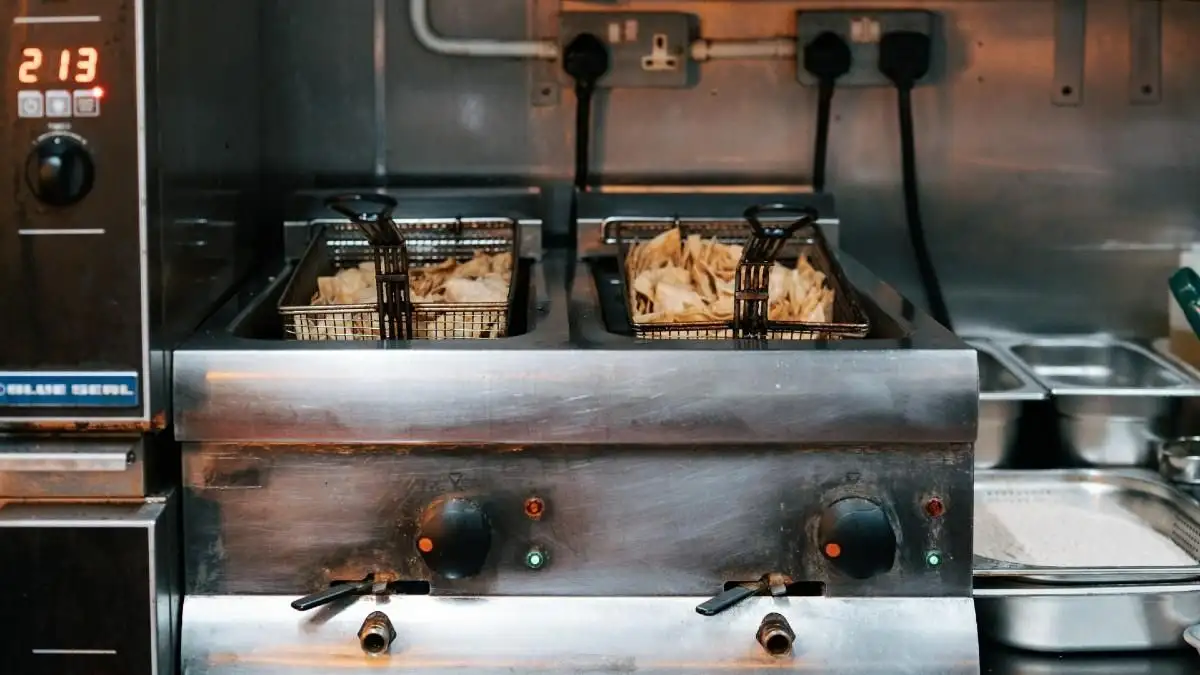
On the evening of January 30th, an Olive Garden kitchen in Williamsport, Pennsylvania, became the scene of an unimaginable tragedy. A male employee, who has not been publicly identified, reportedly stripped off his clothing before deliberately entering a commercial deep fryer filled with boiling oil. The speed and shocking nature of the event left colleagues and emergency responders deeply disturbed.
The Act: The employee entered the deep fryer headfirst, sustaining fatal burn injuries.
Co-worker Intervention: At least one female co-worker suffered minor burns while attempting to help the victim and prevent further injury, highlighting the immediate chaos and bravery in the face of horror.
Emergency Response: 911 dispatchers were audibly shaken as they relayed the situation, with multiple emergency medical services responding to the scene. A second ambulance was dispatched to treat the injured co-worker.
Aftermath: The restaurant closed for several days following the incident for investigation and has since reopened. Authorities, including the Pennsylvania State Police, have categorized the incident as a suicide attempt.
"A male Olive Garden worker plunged headfirst into a commercial deep fryer at the Williamsport, Pennsylvania restaurant on January 30, according to emergency dispatch audio."
The details, though graphic, are crucial. The fact that the employee removed his clothing prior to the act suggests a degree of premeditation, deepening the mystery around his state of mind. Was this a sudden, overwhelming impulse, or a plan executed in a moment of profound despair?
Beyond the Label: Investigating the "Suicide Attempt" Narrative
While authorities have quickly labeled the incident a "suicide attempt," this classification, though perhaps legally accurate, feels insufficient to explain the sheer extremity of the act. It's easy to slap a label on a tragedy, but harder to understand the human journey that leads to such a desperate end.
Read More: Fetterman Says PA Attorney General Candidate Unfit for Job
The "Why": What specific stressors, personal or professional, were contributing to this individual's suffering? Were there any signs missed by colleagues or management?
Workplace Culture: Did the demanding nature of the restaurant industry, coupled with any potential issues specific to this Olive Garden location, play a role? Questions linger about workplace pressures, management support, and the overall mental well-being of staff.
Mental Health Support: Was the employee receiving any mental health support? Were there resources available to him through his employer or externally? If so, why were they not enough?
Co-worker Witness Accounts: While the focus is on the victim, the experiences of those who witnessed this horrific event are also vital. Their accounts could shed light on the moments leading up to the tragedy.
"Authorities categorize the incident as a suicide attempt," Pennsylvania State Police spokesperson Trooper Lauren Lesher told The Smoking Gun.
This official stance, while understandable for investigative purposes, risks closing the door on a deeper exploration of the contributing factors. It's imperative to ask: Is "suicide attempt" the full story, or is it the beginning of a much more complex narrative about mental health, workplace environment, and societal pressures?

The Boiling Point: Examining Industrial Kitchen Hazards and Employee Well-being
The setting itself – a commercial kitchen with industrial deep fryers operating at high temperatures – adds another layer of horror and raises critical questions about safety protocols and employee well-being in such high-pressure environments.
| Aspect | Potential Concerns | Questions to Ask |
|---|---|---|
| Industrial Fryers | Extreme heat, potential for severe burns, dangerous operating conditions. | Were there any known malfunctions or safety concerns with the specific fryer involved? What are the standard safety procedures for their operation? |
| Workplace Stress | Demanding hours, fast-paced environment, potential for understaffing, customer pressure. | What were the typical working conditions for employees at this Olive Garden? Were there any recent changes in staffing or management? |
| Employee Mental Health | High-stress jobs can exacerbate existing mental health issues. | Does Olive Garden have a robust employee assistance program (EAP) or mental health support resources? How are these communicated and encouraged? |
| Incident Prevention | Measures in place to detect and intervene in situations of acute distress. | What training do employees receive regarding recognizing and responding to colleagues in crisis? |
| Co-worker Burns | The fact that co-workers were injured highlights the immediate danger and proximity. | What protocols are in place for employees attempting to intervene in emergencies, to ensure their own safety? |
"A female worker suffered minor burns while trying to intervene and help the victim, underscoring how close others came to being caught in the devastating incident."
This detail is particularly alarming. It suggests that the situation was so volatile that even those trying to help were put in harm's way. It raises the question: How are employees trained to handle extreme emergencies in the kitchen, and are these protocols adequate for situations involving a colleague in severe distress? The environment itself, with its inherent dangers, might have amplified the perceived hopelessness for someone already in crisis.
Read More: Senate Passes Immigration Bill: What Happens Next for Border Security?

Unanswered Questions: A Call for Transparency and Support
The tragic death of the Olive Garden employee is more than just a headline; it's a profound human loss and a wake-up call. As investigators piece together the events of that night, the public is left with a host of unanswered questions that demand transparency and a commitment to preventing future tragedies.
The Victim's Journey: Beyond the official designation of suicide, what was this individual's story? Were there documented struggles, appeals for help, or signs of distress that went unaddressed?
Corporate Responsibility: What is Olive Garden's (and its parent company, Darden Restaurants) stance on employee mental health and safety? What concrete measures are in place to support workers in high-stress roles?
Industry-Wide Implications: This incident highlights a potential broader issue within the demanding restaurant industry. What can be learned and implemented across the sector to better support the mental well-being of its workforce?
Community Impact: How is the Williamsport community, and specifically the staff at that Olive Garden location, coping with the aftermath of such a traumatic event?
"The restaurant was closed for several days following the incident as authorities conducted their investigation but it has since reopened."
The reopening of the restaurant signifies a return to normalcy for some, but for those involved, the trauma likely lingers. The lack of a public statement from Olive Garden or Darden Restaurants on the broader issue of employee well-being is a missed opportunity. What steps are being taken to ensure that the employees who witnessed this horrific event, and indeed all employees, feel supported and safe? The real work begins now: not just in understanding the "how," but in diligently seeking the "why" and fostering environments where such desperate acts are less likely to occur.
Read More: Mangione Trial: Judge Limits Evidence Admitted on May 22
Sources: