


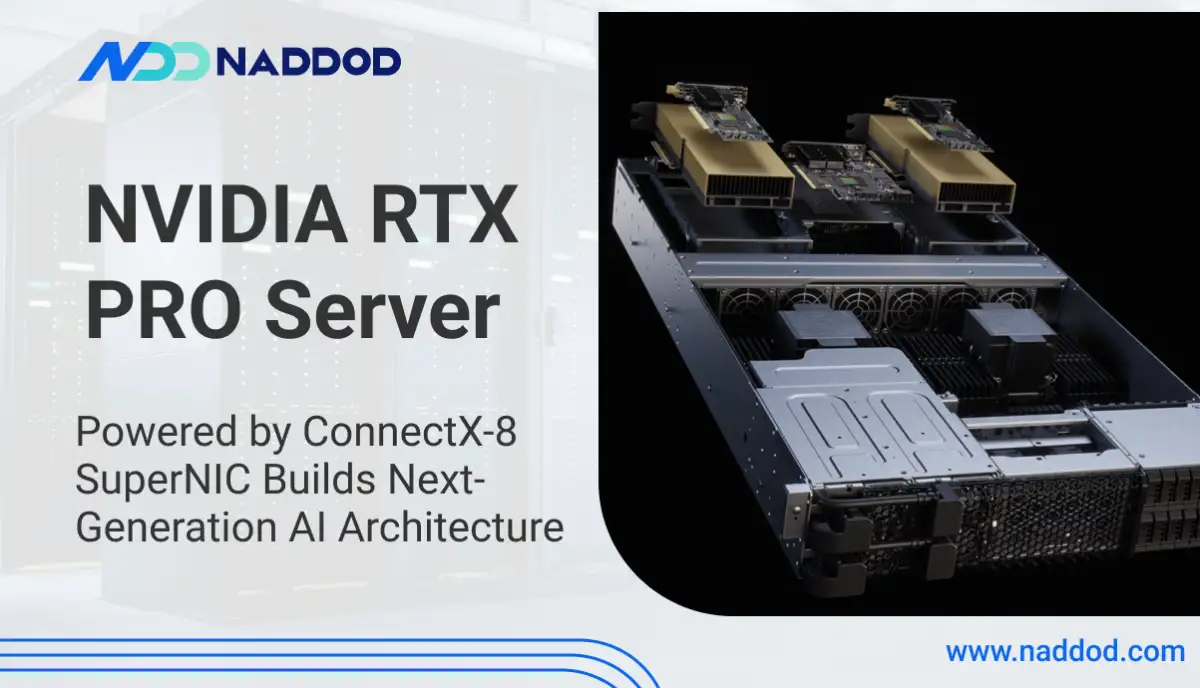
NVIDIA's new RTX PRO Blackwell server series is hitting the market this summer, aiming to equip enterprise data centers and professional users with enhanced capabilities for 'agentic AI,' design, and simulation. The rollout includes various workstation and laptop GPUs alongside dedicated data center solutions. The company highlights these new systems are built to accelerate complex AI workloads, offering significant performance gains for tasks like AI inference, digital twins, and high-fidelity visual computing.

Key to this push is the RTX PRO 6000 Blackwell Server Edition, a data center GPU designed for these demanding applications. It features architectural improvements such as fourth-generation RT Cores, fifth-generation Tensor Cores capable of 4,000 AI trillion operations per second, and support for high-bandwidth connections like PCIe Gen 5. NVIDIA states these enhancements provide up to a two-fold performance uplift over previous generations in areas like ray tracing.

This server platform is being made available through a network of Original Equipment Manufacturers (OEMs) and partners. Companies like Dell Technologies, Hewlett Packard Enterprise, Lenovo, and Cisco Systems are slated to offer RTX PRO servers. Further contributing to the ecosystem, Giga Computing (Gigabyte) announced worldwide availability of its XL44-SX2-AAS1 server, which integrates NVIDIA AI Enterprise and supports NVIDIA NIM microservices and Omniverse technologies.
Enhanced Performance and Virtualization Capabilities
The RTX PRO Blackwell architecture integrates advanced technologies aimed at boosting performance across a range of professional applications. This includes upgrades to ray tracing and AI processing cores, with Tensor Cores now capable of 4,000 AI trillion operations per second. The system also supports newer display standards like DisplayPort 2.1, enabling high-resolution and high-refresh-rate displays.
For environments requiring shared resources, NVIDIA's vGPU software can be combined with the RTX PRO server editions. This capability allows for the deployment of high-performance virtual workstations accessible to remote workers, effectively virtualizing GPU infrastructure for demanding AI and graphics tasks. NVIDIA has also developed "validated designs" offering recommended hardware configurations and software stacks to simplify adoption for enterprises.
Read More: Mysore Hotels Face LPG Shortage Due to Global Tensions
Broader Product Expansion
Beyond the data center, NVIDIA is also expanding the RTX PRO Blackwell series to workstations and laptops. Desktop offerings include the RTX PRO 6000 Blackwell Workstation Edition, Max-Q Workstation Edition, and the RTX PRO 5000, 4500, and 4000 Blackwell models. Laptop availability is expected later this year from manufacturers such as Dell, HP, Lenovo, and Razer, featuring models from the RTX PRO 2000 up to the 500 Blackwell series.
Connectivity and Ecosystem Integration
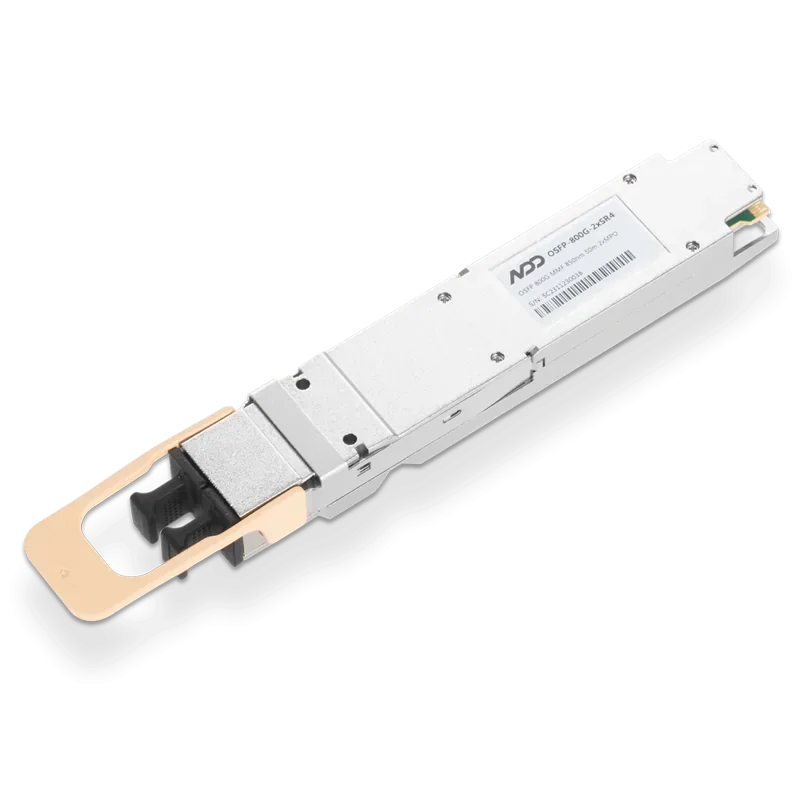
The integration of NVIDIA ConnectX-8 SuperNICs and BlueField-3 DPUs is a notable aspect of the server hardware, promising significant network bandwidth—up to 400Gb/s for the DPU and 800Gb/s per GPU for InfiniBand or Ethernet from the SuperNICs. This is designed to unify compute, networking, and software to streamline the entire data-to-AI workflow. NVIDIA positions this as building a "next-generation AI architecture."
Background
NVIDIA, a company long associated with graphics processing units (GPUs) for gaming, has increasingly focused on the enterprise market, particularly in the realm of artificial intelligence and high-performance computing. The Blackwell architecture represents the latest generation of their GPU technology, succeeding previous architectures like Hopper. The introduction of the RTX PRO line signifies a strategic move to consolidate their offerings for professional creators, designers, data scientists, and enterprises grappling with complex AI and simulation demands. The timing of these announcements, spanning from March to November 2025 across various reports, indicates a phased market introduction and ongoing partner engagement.
Read More: Pentagon Bans Anthropic AI Claude After Security Risk Claim