The release of Nioh 3 has been met with the predictable deluge of "tips and tricks" articles, promising to guide eager players through its notoriously challenging world. But beneath the surface of helpful advice lies a disquieting pattern: a reliance on superficial suggestions that obscure deeper, more systemic issues within the game's design and the very nature of these guides. Are these articles truly aiding new players, or are they merely reinforcing a status quo that prioritizes rote memorization over genuine understanding, leaving many feeling lost despite the supposed assistance?
The Echo Chamber of Advice: A Familiar Tune
The game Nioh 3 has landed, and with it, the predictable flurry of guides. But what are these guides really telling us? A close examination reveals a disturbing trend: a reliance on repetitive, often shallow advice that barely scratches the surface of the game's complexities. The urgency of these articles, published mere minutes or days after the game's release, suggests a rush to capitalize on player desperation rather than a thoughtful engagement with the game's mechanics.
Read More: Danganronpa 2x2 Delayed to Early 2027, New Slayhem Mode Added
The overwhelming consensus from articles published by Polygon, Insider Gaming, Eurogamer, Game8, VG247, Nioh3.org, Sportskeeda, and Deltias Gaming centers on a few key themes. This isn't surprising, as the Nioh series has a history of these mechanics, leading to a predictable set of advice.
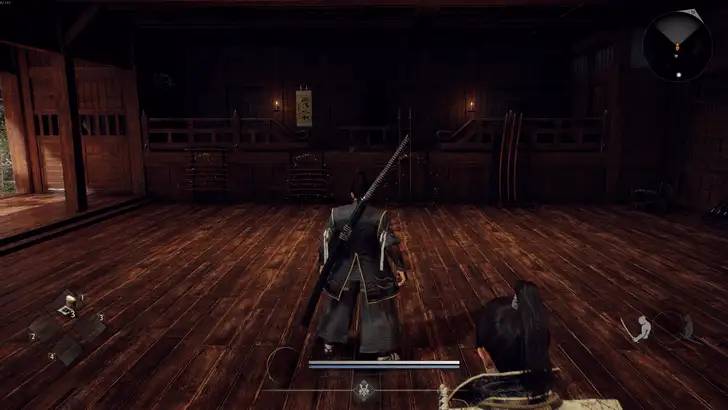
Mastering Stamina (Ki): A recurring theme across multiple guides (Insider Gaming, Deltias Gaming, Nioh3.org) is the critical importance of managing "Ki" – the game's stamina system. Players are repeatedly told to be mindful of their Ki bar to avoid vulnerability and stunlocks.
The Perils of Death and Amrita Retrieval: The fear of losing hard-earned "Amrita" (the game's experience points) is a constant. Guides from Game8, Nioh3.org, and Sportskeeda all emphasize the need to recover your "grave" or "death spot" before dying again to avoid permanent loss.
Skill Trees and Unlocking Abilities: Several articles (Polygon, Eurogamer) highlight the need to invest in skill trees, particularly the "Samurai" tree, to unlock crucial abilities early on.
Gear Synergy and Set Bonuses: The concept of equipping gear with matching "set names" to gain powerful bonuses is also frequently mentioned (Insider Gaming, VG247).
But beyond these commonly cited points, what is truly being offered? Are these guides asking the hard questions about why these mechanics exist, or are they simply explaining how to navigate them?
The "Samurai" Enigma: A Legacy of Restriction?
The repeated emphasis on the "Samurai" skill tree is particularly telling. Polygon and Sportskeeda both point to it as a vital early investment, noting that returning players will find these skills familiar. But this familiarity raises a crucial question:
Why is a core set of abilities, essential for basic combat and progression, locked behind a specific skill tree that players are forced to prioritize?
The historical context is important here. In previous Nioh titles, the "Samurai" style was the only initial option. Does this legacy design choice in Nioh 3 simply perpetuate a feeling of artificial progression, where players are initially hobbled until they invest in a predefined path?
Read More: Attack on Titan 3 lets players change game ending
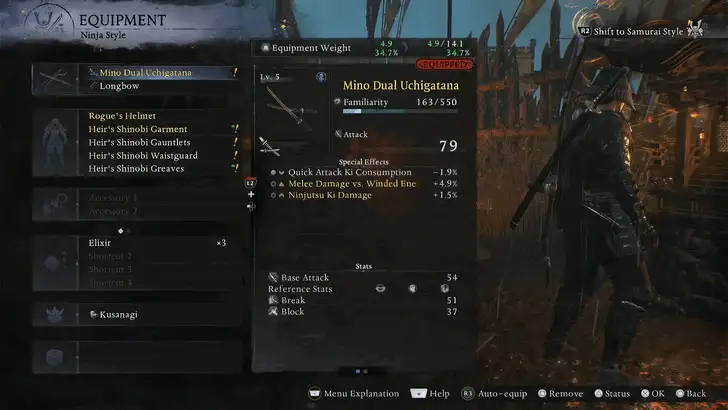
Initial Limitations: Players are presented with a game world that feels designed to punish haste and ignorance. Yet, the very systems designed to aid them require immediate, often blind, investment into a particular skill tree.
The "Samurai" Precedence:
Polygon notes that Samurai skills were "previously the only style you could play."
Sportskeeda lists a significant number of weapons tied to the Samurai skill tree.
Forced Specialization: This forces new players to make critical decisions about their build before they fully understand the game's diverse combat options and enemy types. Is this true player agency, or a cleverly disguised tutorialization that dictates early play?
The Tyranny of "Perfect Timing": Ki Pulse and the Art of Repetition
The concept of "Ki Pulse" – a mechanic designed to regain stamina through perfectly timed actions – is another cornerstone of Nioh 3 guides. Insider Gaming explicitly compares it to Bloodborne's regain system, but the fundamental difference is the emphasis on timing.
Is the constant pressure to perform "perfect" actions, especially the Ki Pulse, a gateway to skillful mastery, or a deliberate design that favors players with exceptional reflexes and a tolerance for repeated failure?
The guides are replete with advice that boils down to "don't run out of Ki" and "time your Ki Pulse." But what are the underlying implications of this mechanic?
| Mechanic | Description | Guide Emphasis | Potential Player Impact |
|---|---|---|---|
| Ki Pulse | Timed button press to regain consumed stamina. Perfect pulse restores all. | Essential for sustained combat; avoid vulnerability. | High execution barrier; punishes mistakes severely. |
| Stamina Bar | Represents available actions; depletes with attacks, dodges, etc. | "Always keep an eye on your stamina bar." (Nioh3.org) | Constant tension; fear of depletion leads to cautious play. |
| Enemy Stun | When Ki is depleted, players are vulnerable to enemy combos. (Deltias Gaming) | Severe punishment for Ki mismanagement. | Can feel insurmountable for less experienced players. |
The "Masocore" Appeal: VG247 acknowledges "masocore curious" players, but does the game's core loop actively engineer frustration through these demanding mechanics, only to reward those who can endure it?
The Cost of Imperfection: For players who struggle with precise timing, the Ki Pulse mechanic becomes a source of constant anxiety. Is the game rewarding skill, or punishing those who simply don't possess it to the same degree?
Amrita: The Specter of Loss and the Illusion of Progress
The omnipresent threat of losing Amrita upon death is a recurring motif in nearly every guide. Game8, Sportskeeda, and Nioh3.org all provide variations on the same advice: "recover your grave."
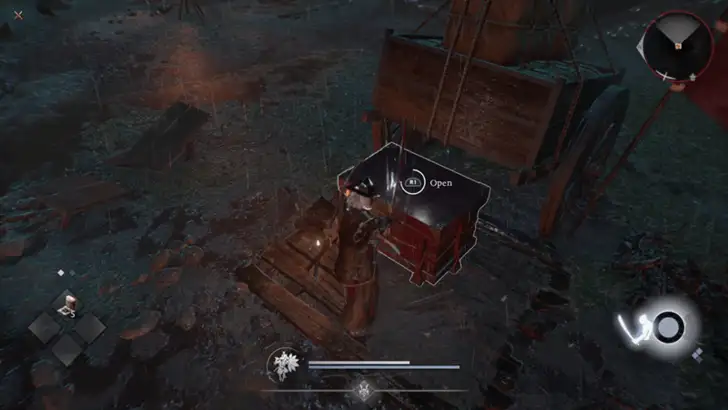
Does the constant threat of losing Amrita, coupled with the need to repeatedly retrieve it, serve to genuinely teach players about consequences, or does it create an unnecessary layer of tedium and anxiety that detracts from the core gameplay experience?
Let's break down the mechanics of Amrita loss and retrieval:
Read More: Summer Game Fest 2026 Shows Many Sequels, Few New Ideas
Death: Upon death, unspent Amrita is dropped at the player's "grave" or "death spot."
Retrieval: Players must return to this spot to reclaim their Amrita.
Double Death Penalty: If a player dies again before retrieving their Amrita, it is lost forever. (Sportskeeda)
Amrita Conversion: Gear can be converted into Amrita. (Deltias Gaming)
This system seems designed to punish players severely for even minor mistakes.
The "Ticking Clock" of Despair: The knowledge that your hard-earned progress is literally waiting for you on the battlefield, vulnerable to being lost forever, can be a significant psychological burden.
Exploitative Design?: Some might argue that this creates tension and raises the stakes. Others might see it as a form of "artificial difficulty" – forcing players to replay sections not because they failed to learn, but because they failed to retrieve a currency.
Alternative Solutions?: Could the game offer less punitive systems? Perhaps a grace period, a limited number of retrievals, or a direct conversion of some Amrita to a less risky form? The current system, as presented in the guides, suggests a singular, unforgiving approach.
The Vague Promise of "Playstyle"
While many guides mention customizing your "playstyle" and equipping skills that "suit your unique playstyle" (Game8, VG247), the actual advice provided often defaults to optimizing pre-defined paths, such as focusing on the Samurai tree or mastering Ki Pulse.
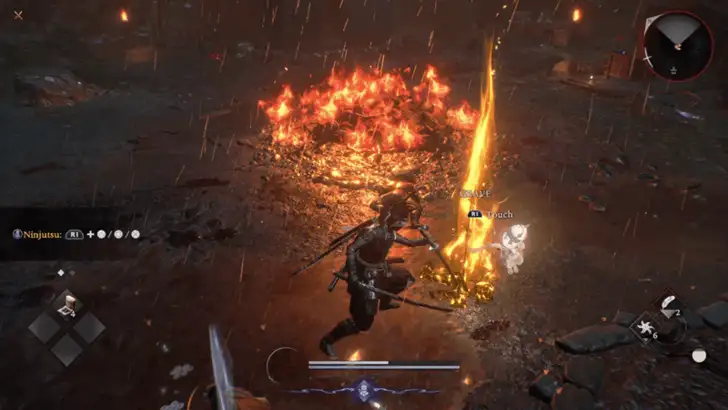
How can players truly explore their "unique playstyle" when the initial guides steer them so heavily towards established, often restrictive, skill trees and combat loops?
The "Set Name" Trap: The emphasis on collecting gear with matching "set names" (Insider Gaming) inherently pushes players towards specific builds. While this is a common RPG mechanic, does it stifle experimentation in Nioh 3?
Limited Agility Targeting: VG247 mentions targeting "Agility rating," allowing players to manage encumbrance. This is a specific mechanical tip, but it doesn't broadly encourage diverse playstyles.
The "Samurai" Dominance: As previously discussed, the Samurai tree's prominence suggests that the "unique playstyle" for many will, in fact, be a variation of the initially prescribed path.
Where are the guides that encourage players to intentionally break these systems, to explore the fringe mechanics, or to discover emergent strategies that the developers may not have intended? The current wave of "tips and tricks" seems designed to ensure players survive by adhering to the intended, often rigid, structure, rather than thrive through genuine exploration and creativity.
The Verdict: Helpful Hints or Gatekeeping Mechanisms?
The overwhelming number of Nioh 3 "tips and tricks" articles paints a picture of a game that is exceptionally difficult and unforgiving. While these guides offer a semblance of aid, they often do so by explaining how to navigate the game's punishing mechanics, rather than questioning why these mechanics exist.
Read More: MW4 DMZ: Player Feedback Will Change Game Mode
The emphasis on precise timing, severe penalties for death, and early specialization in specific skill trees suggests a game designed to test endurance and reflex as much as strategic thinking. These guides, in their rush to provide answers, may be inadvertently reinforcing a gatekeeping mechanism that rewards adherence to a predefined formula.
Until we see guides that critically engage with the underlying design choices, that explore the implications of these systems beyond mere survival, and that genuinely encourage diverse and experimental play, the "tips and tricks" for Nioh 3 will remain just that: superficial advice for a game that seems determined to remain impenetrable to all but the most dedicated, and perhaps masochistic, players. The real question remains: Is this difficulty an art form, or an artificial barrier? And are these guides helping us understand the art, or simply teaching us how to endure the barrier?
Sources: