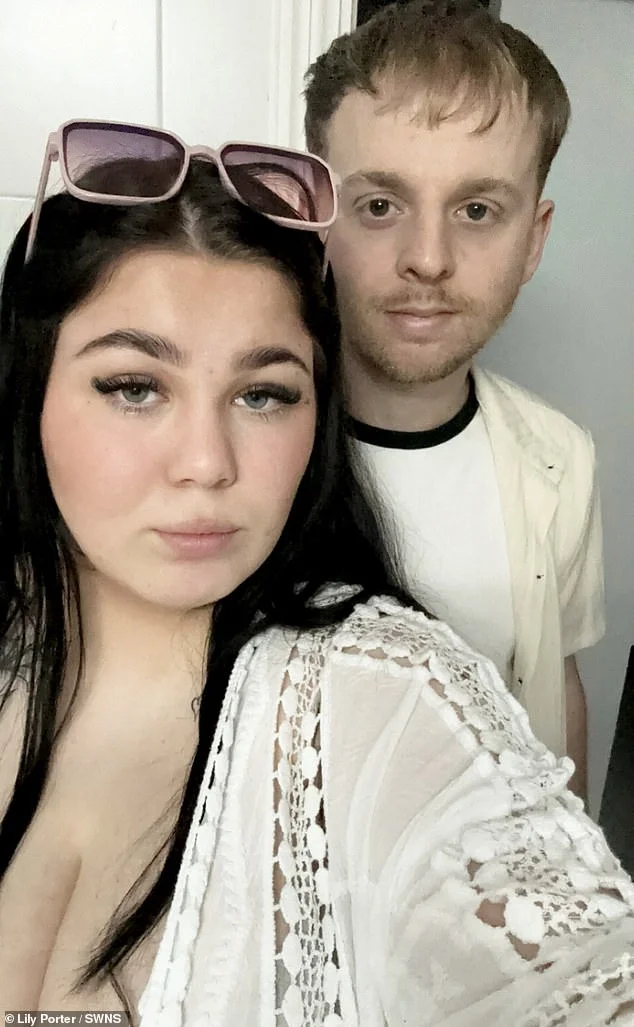
A 21-year-old woman nearly died from a life-threatening infection, sepsis, after her 36NN breasts, weighing an astonishing FIVE STONE, tore her skin. Despite this harrowing ordeal and the clear medical need, the National Health Service (NHS) is refusing her a breast reduction, citing her 'obese' BMI. This case, involving Lily Porter, highlights a critical, and potentially deadly, disconnect between rigid health policies and the complex realities of individual patient needs. Is the NHS, in its quest for blanket policy adherence, failing those who need its help the most?
The Weight of a Life on Hold
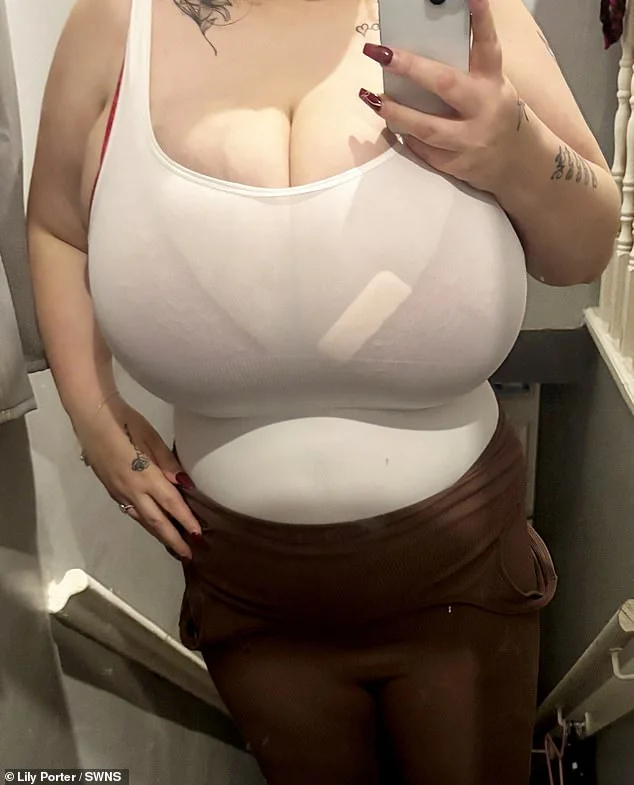
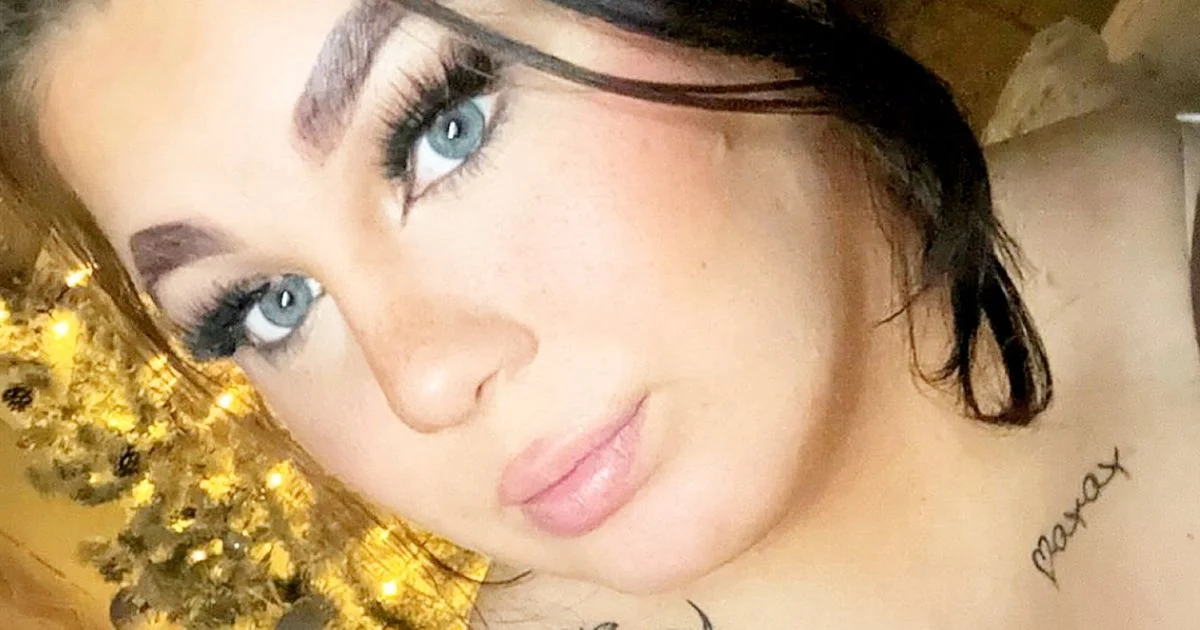
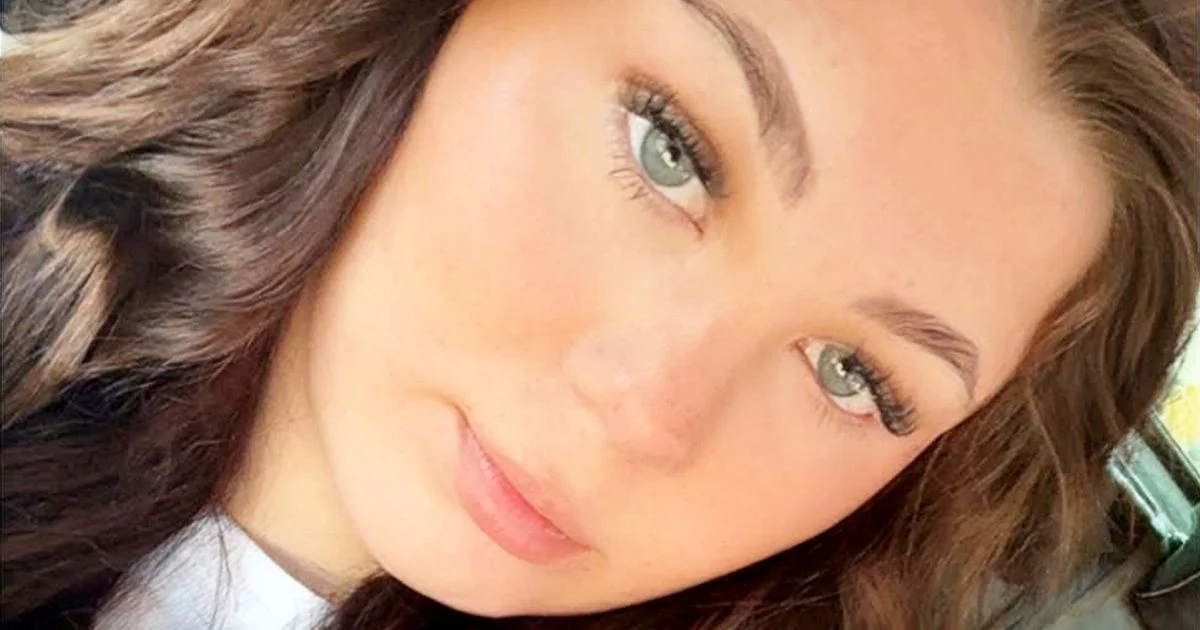
Lily Porter, a 21-year-old from Retford, faces a daily battle with her own body. Her breasts, a staggering 36NN cup size, are not merely a physical characteristic; they are a significant health burden, weighing an estimated five stone in total. This immense weight has caused her skin to tear, leading to a terrifying brush with sepsis, a condition where the body’s response to infection damages its own tissues and can be fatal.
Read More: Rob James Claims Hair Loss Reversed With Daily Routine, Others Use Minoxidil
"They're not listening to me at all, I don't know what to do." - Lily Porter
Despite this near-fatal experience and constant pain, her pleas for a breast reduction surgery have been met with refusal from the NHS. The reason cited? Her Body Mass Index (BMI) is deemed too high, classifying her as ‘obese.’ This blanket policy, critics argue, fails to account for the fact that a significant portion of her body weight – around 30% – is concentrated in her breasts.
This situation begs a fundamental question: When does a medical condition caused by disproportionately large breasts become a legitimate reason for surgery, irrespective of an overarching BMI metric?
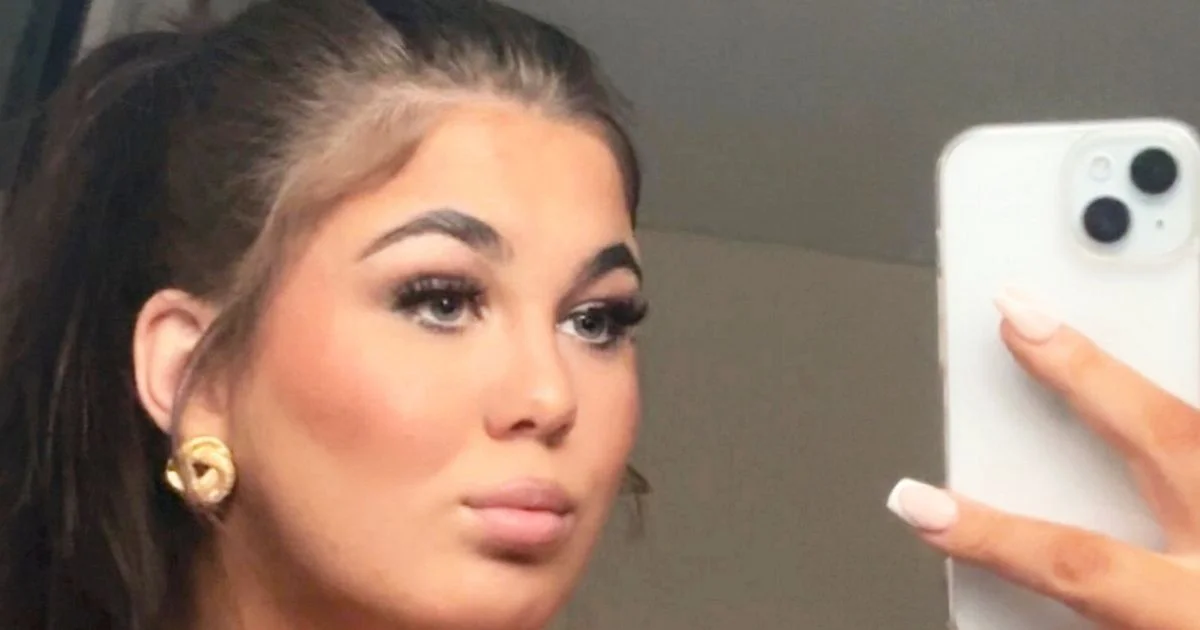
A Lifetime of Agony: The Precedent of Extreme Macromastia
Lily Porter’s struggles are not isolated. The medical condition of extreme macromastia, characterized by excessively large breasts, has long presented challenges for both patients and healthcare systems. Historically, the decision for reduction mammoplasty (breast reduction surgery) has been guided by various factors, including physical symptoms, psychological impact, and, increasingly, the patient's overall health profile as measured by BMI.
Read More: Soham Killer Ian Huntley Dies After Prison Assault in HMP Frankland
Early Struggles: Lily has reportedly dealt with the immense size of her breasts since childhood, facing stares and social stigma that marred her teenage years and continue to affect her confidence in relationships.
The Sepsis Crisis: Last year, the physical strain on her skin from the sheer weight of her breasts led to tears and a subsequent life-threatening battle with sepsis. This was not a minor infection; it was a crisis that nearly cost her life.
The BMI Barrier: Now aged 21, and medically eligible in terms of age, the NHS's Integrated Care Board (ICB) has reportedly blocked her surgery due to her BMI. This is despite her clear assertions and the evidence of her breasts' substantial weight.
"The NHS have said her BMI is too high for them to give her a breast reduction, despite Lily stating that most of her weight is in her breasts." - Multiple News Reports
The narrative surrounding Lily's case echoes similar past incidents where patients with extreme medical needs have been denied treatment due to rigid adherence to policy.
| Past Incident Type | Key Characteristics | Outcome/Allegation |
|---|---|---|
| Cosmetic vs. Medically Necessary Surgery | Patients seeking aesthetic improvements denied. | Policy distinction can obscure genuine medical need. |
| "Obesity" as a Blanket Exclusion | Patients denied crucial procedures due to BMI, regardless of contributing factors to weight or specific health risks. | Potential for overlooking conditions exacerbated by weight, not solely caused by lifestyle. |
| Post-Surgical Complications & NHS Refusal | Patients experiencing severe complications after private surgery denied NHS treatment for related issues. | Highlights the complex, and sometimes contentious, interface between private and public healthcare. |
| Extreme Macromastia & Surgical Access | Patients with disproportionately large breasts facing significant physical pain and health risks. | Access to reduction surgery often debated, especially when BMI is a factor. |
The Critical Flaw: Ignoring the Cause
The core of Lily Porter's predicament lies in the NHS’s apparent refusal to acknowledge that her breasts are a primary contributor to her weight and her health crisis. Her total body weight is 17 stone, but if her breasts alone account for five stone, then the remaining weight attributed to the rest of her body is 12 stone. Whether this 12 stone meets the threshold for ‘obesity’ in a way that necessitates denying critical surgery is a crucial question.
Disproportionate Weight Distribution: Is it medically sound to apply the same BMI-based criteria to someone whose body weight is massively skewed by a specific anatomical feature like extreme breast tissue?
The Sepsis Signal: The near-fatal bout of sepsis, directly linked to the physical breakdown of her skin caused by her breasts, should arguably be a paramount consideration, overriding a standard BMI assessment.
Doctor's Recommendations: Reports suggest that doctors have advocated for Lily to have the surgery, indicating a clinical consensus on the medical necessity that seems to be overridden by administrative policy. Her local MP, Jo White, has even written to the NHS on her behalf.
"Doctors have pushed for Lily to get the surgery…" - Mirror
This raises the disturbing possibility that a life-threatening condition, stemming directly from a surgically correctable issue, is being left unaddressed due to an inflexible bureaucratic hurdle.
Medical Complications and the Specter of Private Surgery
Lily's situation also forces us to consider the broader implications for women facing similar issues. The fear of being denied NHS treatment can push individuals towards riskier, cheaper private procedures, as seen in other recent reports.
Read More: New Savory Breakfast Trend Helps People Feel Fuller Longer
Article 5 (Discover SWNS): A woman nearly died after a £15,000 boob job from a private clinic, resulting in complications and asymmetrical breasts, leaving her reliant on the same clinic for corrections due to the complexity.
Article 7 (The Sun): Another woman suffered severe complications, including her nipple falling off and her breast exploding, after opting for a "half-price surgery" abroad, requiring life-saving intervention.
These incidents, while distinct, paint a concerning picture:
| Patient Situation | Underlying Issue | Health System Response/Outcome |
|---|---|---|
| Lily Porter | Extreme macromastia, sepsis from skin tears. | NHS denial of reduction surgery due to BMI. |
| Lisa (Discover SWNS) | Complications from private breast augmentation. | Nearly died, faced unique repair challenges, no other clinics willing to touch her. |
| Lauren Hughes (The Sun) | Post-surgery complications abroad (exploding breast). | Required life-saving surgery, nipple loss, ultimately survived but faced severe disfigurement and trauma. |
These examples suggest a potential cycle:
NHS criteria are too rigid, leading to denials for medically necessary procedures.
Patients, desperate for relief or correction, seek private options, which can be expensive or riskier.
Complications from private procedures can then lead to further health crises, sometimes requiring NHS intervention.
Is the NHS's current policy inadvertently creating a scenario where individuals are pushed towards more dangerous, less regulated avenues, ultimately costing more in emergency care and suffering down the line?
The Weight of Responsibility: Who Decides and On What Basis?
The critical question is: How does the NHS balance the objective measure of BMI with the subjective and often severe realities of conditions like Lily Porter's?
"The NHS won’t give her a breast reduction, as they say her BMI is too high, even though she says most of her weight is in her breasts." - The Mirror
Several key areas warrant deep scrutiny:
The Definition of "Obese": When a significant portion of a person's weight is directly attributable to a medical condition (extreme breast size), should the standard BMI calculation be the sole determinant for denying life-saving or quality-of-life-improving surgery?
The Role of Integrated Care Boards (ICBs): ICBs are tasked with planning and commissioning health services. What are their guidelines for cases of extreme macromastia, and how much discretion do they have to deviate from standard BMI thresholds when a clear medical need is demonstrated?
Sepsis as a Tipping Point: Sepsis is a life-threatening emergency. Is the fact that Lily's condition led to sepsis not sufficient evidence of a severe, immediate health risk directly linked to her breast size, thus warranting an exception to standard BMI policies?
Long-Term Health vs. Short-Term Policy: Denying a procedure that could alleviate chronic pain, prevent future infections, and improve quality of life might be a false economy if the long-term costs of managing her condition (including potential future emergencies) are higher.
A Call for Compassionate Re-evaluation
Lily Porter's case is more than just a story of one woman's struggle; it is a stark indicator of a systemic issue within healthcare policy. While objective health metrics like BMI are important for general health assessment and managing surgical risks, they should not be a rigid, unyielding barrier when a clear, documented medical condition is the direct cause of significant physical harm and near-fatal health crises.
Read More: Ian Huntley, Soham Killer, Dies After Serious Prison Attack in HMP Frankland
The need for individualized assessments: Medical professionals must be empowered to make informed judgments based on a holistic view of a patient's health, not just a single metric.
Clearer guidelines for extreme macromastia: Specific protocols may be needed to address cases where breast weight constitutes a substantial percentage of total body weight.
Patient advocacy and political will: Cases like Lily's require attention not only from healthcare providers but also from policymakers to ensure that health policies are compassionate and effective.
Until the NHS can reconcile its blanket policies with the complex realities of conditions like extreme macromastia, individuals like Lily Porter will continue to face a perilous situation, where their bodies become a source of life-threatening illness, and the very system designed to protect them appears to be standing in the way of their recovery.
Sources:
Daily Mail: I nearly died from sepsis after my 36NN breasts tore my skin
Stokes Sentinel: 'My 36NN breasts almost killed me but I still can't get surgery on the NHS'
Mirror: Woman with 36NN breasts told they are too heavy for reduction surgery
The Sun: My 36NN, 5 stone boobs tore from my chest & gave me sepsis but NHS refused op
Nottingham Post: Woman with breasts so large they almost killed her denied surgery
Discover SWNS: I nearly died from £15k boob job after breast started leaking
The Sun: My nipples fell off after half price surgery - I can't cuddle my kids