
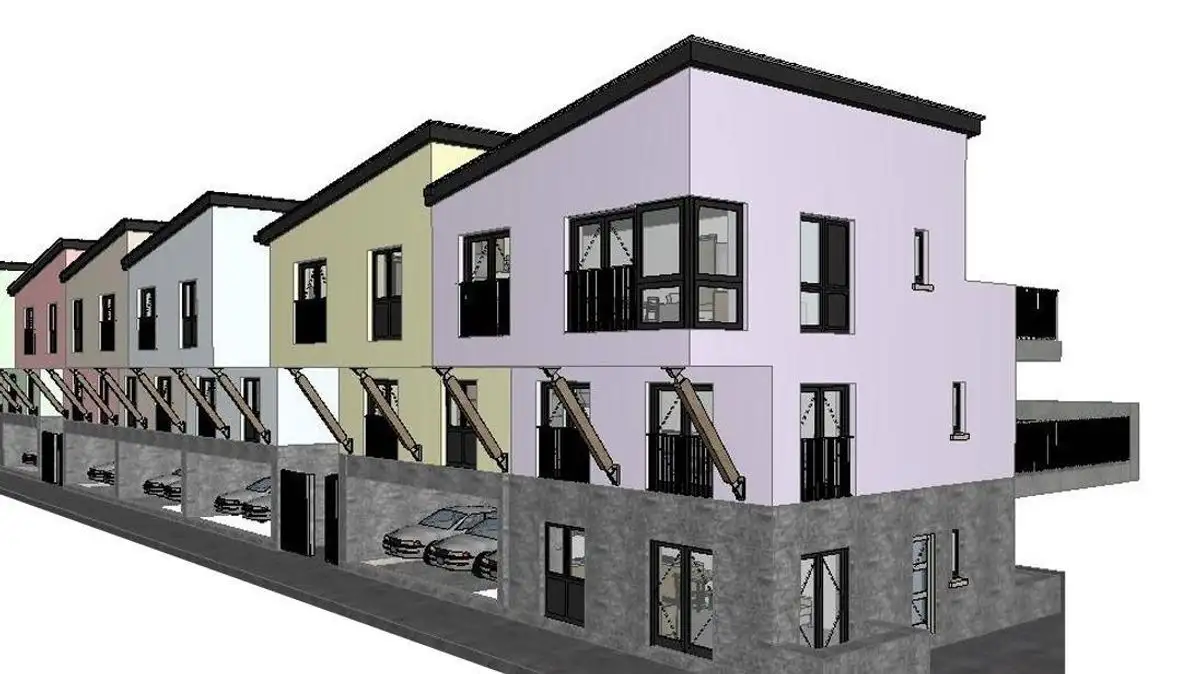
New Quay, a coastal community in Wales recently lauded as Britain's top seaside town, is embroiled in a contentious battle over a proposed development of 30 affordable homes. A vocal segment of residents and local businesses, united under the banner of the New Quay Traders Association, has rallied significant opposition, raising approximately £6,000 through a crowdfunding campaign to legally challenge the plans.
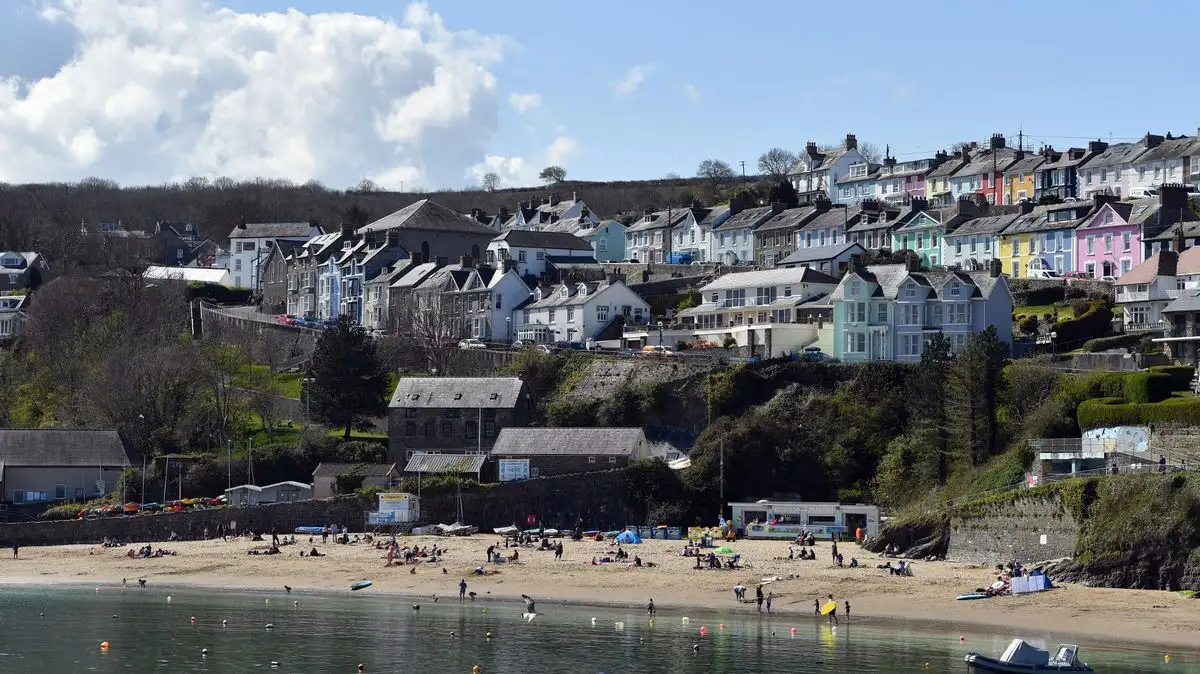
The core of the opposition appears to hinge on a perceived threat to the town's character and its vital tourism-dependent economy. Opponents argue that the removal of the New Quay car park, where the homes are slated for construction, will exacerbate existing issues with traffic congestion and deter visitors. This, they contend, would cripple local businesses that rely heavily on seasonal tourism.
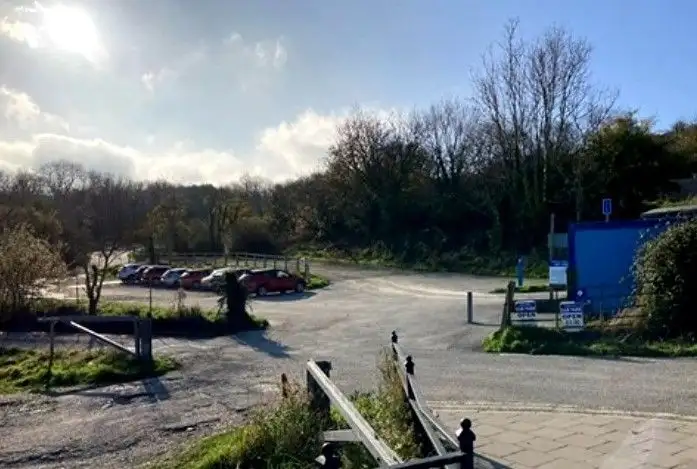
The fundraising effort, operating under the 'Save New Quay Car Park' initiative, has garnered widespread local support, including a change.org petition that amassed around 2,500 signatures. This public mobilization reflects deep-seated anxieties about the town's future, particularly concerning its identity and economic sustainability.
Read More: NYC Rent Freeze 0% for 1 Million Apartments Starting Oct 2026
Economic and Parking Objections
The New Quay Traders Association has formally lodged "significant economic objections" to the development. Their campaign highlights concerns about increased traffic, parking shortages, and the potential negative impact on visitor numbers. The association's petition, "Save New Quay car park – Protect our future," encapsulates these anxieties.
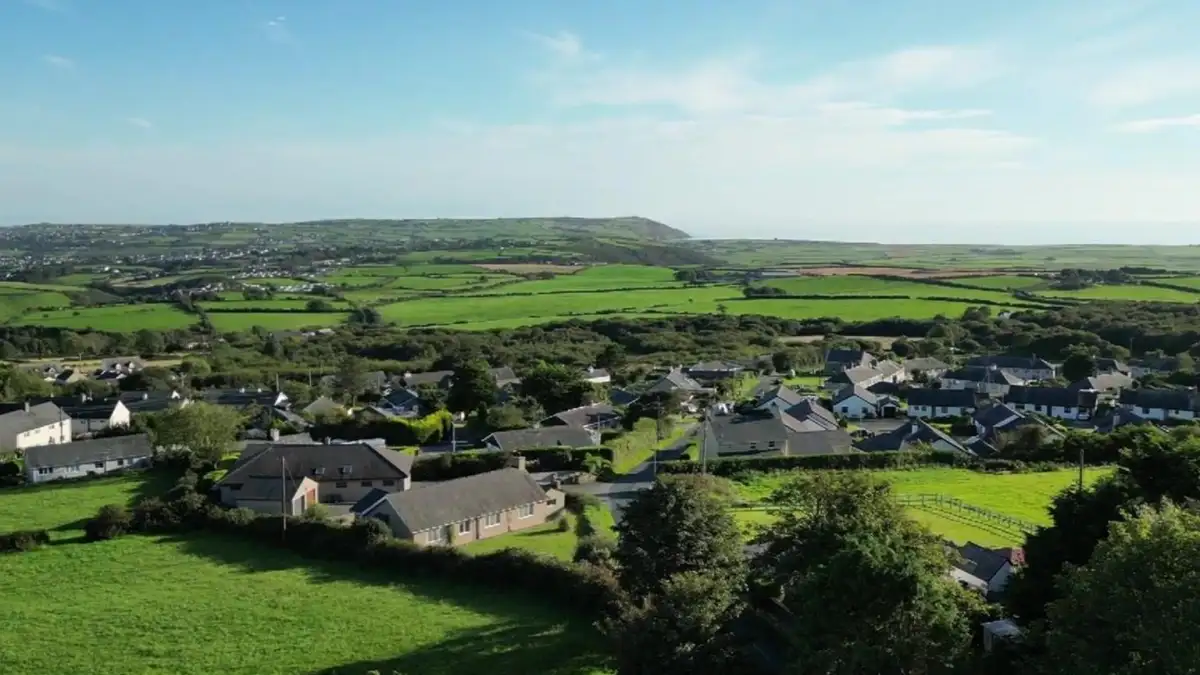
Councillor Matthew Vaux has previously voiced his opposition, asserting that the development would negatively impact the coastal town's economy due to a reduction in parking provision. Despite council officers initially recommending approval, citing a local lettings policy and a demonstrable local housing requirement, the project now faces a legal appeal lodged by the developer, Barcud, challenging the refusal.
Undercurrents of Exclusionary Sentiment
While official objections focus on economic and infrastructural concerns, whispers and underlying sentiments suggest fears of an influx of people from outside the immediate community. This often manifests in broader anxieties about preserving the town's unique character. While not explicitly stated as the primary legal ground, the fear of outsiders, including perceived "Birmingham buyers," has been cited in reports as a driver of the local opposition.
Read More: Wales Schools Won't Ban Phones Nationwide, First Minister Says
This sentiment echoes a broader pattern observed in other Welsh communities, where housing developments, even affordable ones, have faced resistance partly due to concerns about their impact on local identity and demographics, sometimes intertwined with language preservation.
Broader Context of Housing Development in Wales
The situation in New Quay is not an isolated incident. Similar debates are unfolding across Wales, highlighting tensions between the need for affordable housing and the preservation of local character and existing economic structures.
Gwynedd has seen housing plans blocked multiple times, with concerns ranging from the impact on the Welsh language (as seen in Botwnnog in October 2024) to the proliferation of second homes. The implementation of measures like 'Article 4' in areas like Abersoch demonstrates a broader struggle to balance tourism and local residency.
In Rhyl, residents of an established estate expressed fury over plans for further development by the same developer, indicating a general unease with expanding housing projects in established communities.
Discussions around national housing policy, such as the potential for a vacant land tax in Wales, aim to incentivize building on disused sites. However, the devolution of such powers remains a point of political negotiation.
Reports indicate a substantial waiting list for social and affordable housing across Wales, underscoring the persistent demand for new homes. Developments like the 30 new homes in Dinas, Gwynedd, by housing association Adra, illustrate ongoing efforts to address this need, albeit amidst broader community challenges.
Further afield, in Conwy, a proposal to redevelop former government offices into affordable homes also encountered resident concerns about overlooking existing properties, illustrating the localized nature of planning disputes.
The multifaceted opposition in New Quay, therefore, sits within a complex landscape of national housing policy, local economic imperatives, and deeply held community sentiments regarding identity and change.
Read More: New student housing in South Brisbane to ease rental shortage