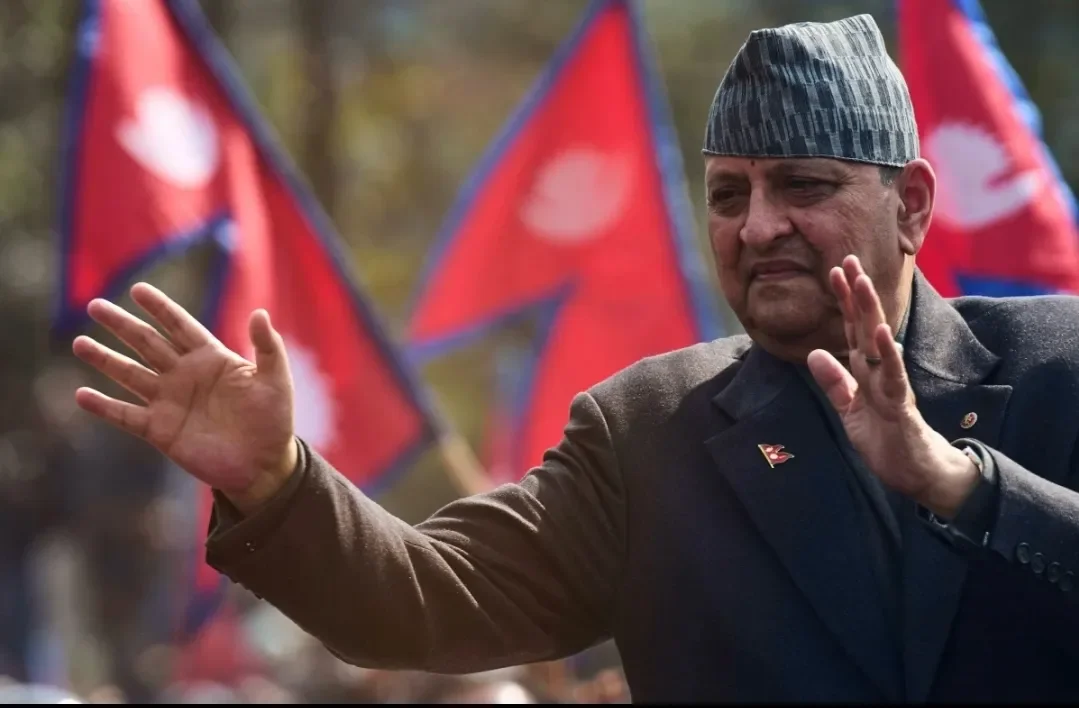
A significant number of people gathered in Nepal's capital, Kathmandu, to welcome former King Gyanendra Shah and express a desire for the monarchy's reinstatement. These demonstrations highlight a segment of the population dissatisfied with the current political landscape and seeking an alternative system of governance. The rallies, marked by public displays of support for the former monarch, bring the ongoing debate between republicanism and monarchy back into national focus.
Background of Monarchy and Republic in Nepal
Nepal transitioned from a monarchy to a republic in 2008 after a period of public unrest and street protests. The 239-year-old monarchy was officially abolished, ushering in a new era of governance. Since then, Nepal has experienced frequent changes in government, with 13 different administrations noted since the monarchy's end. This political instability has been cited by some as a reason for public frustration.
Read More: Taiwan Holds Nantou County Drills to Prepare for State Collapse

Pro-Monarchy Demonstrations and Public Sentiment
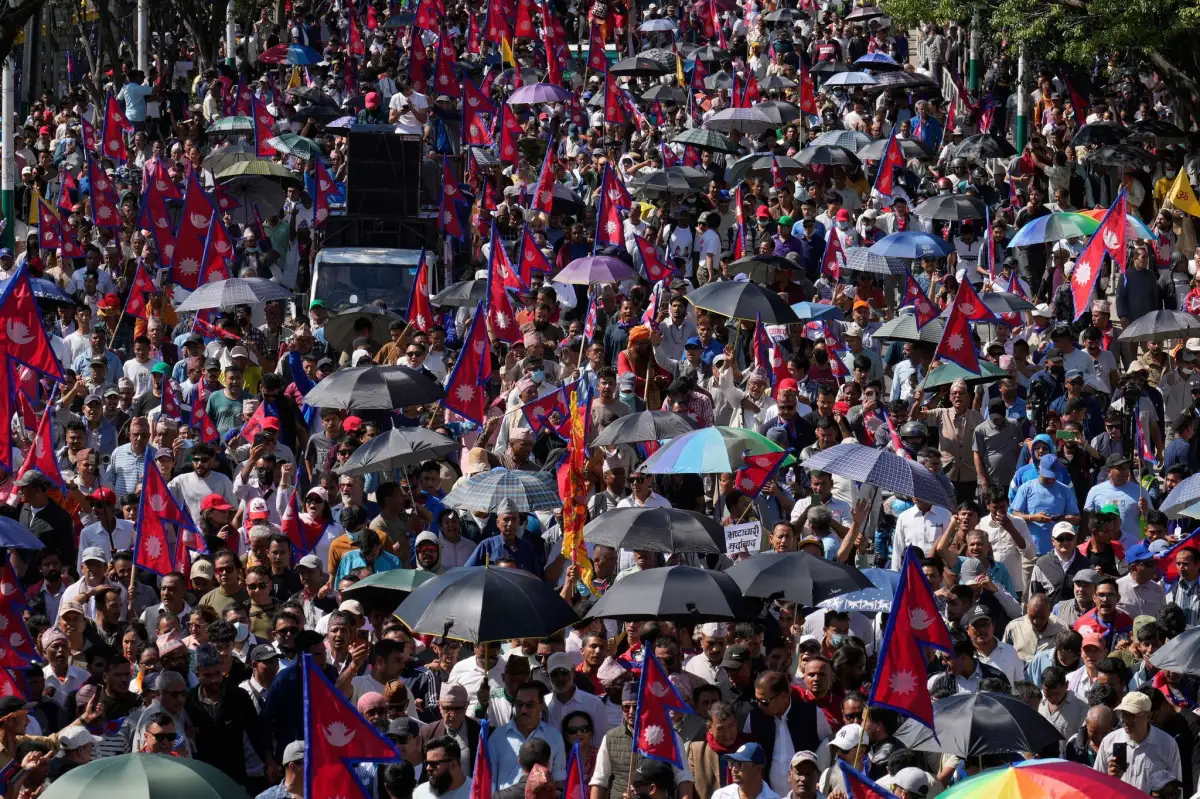
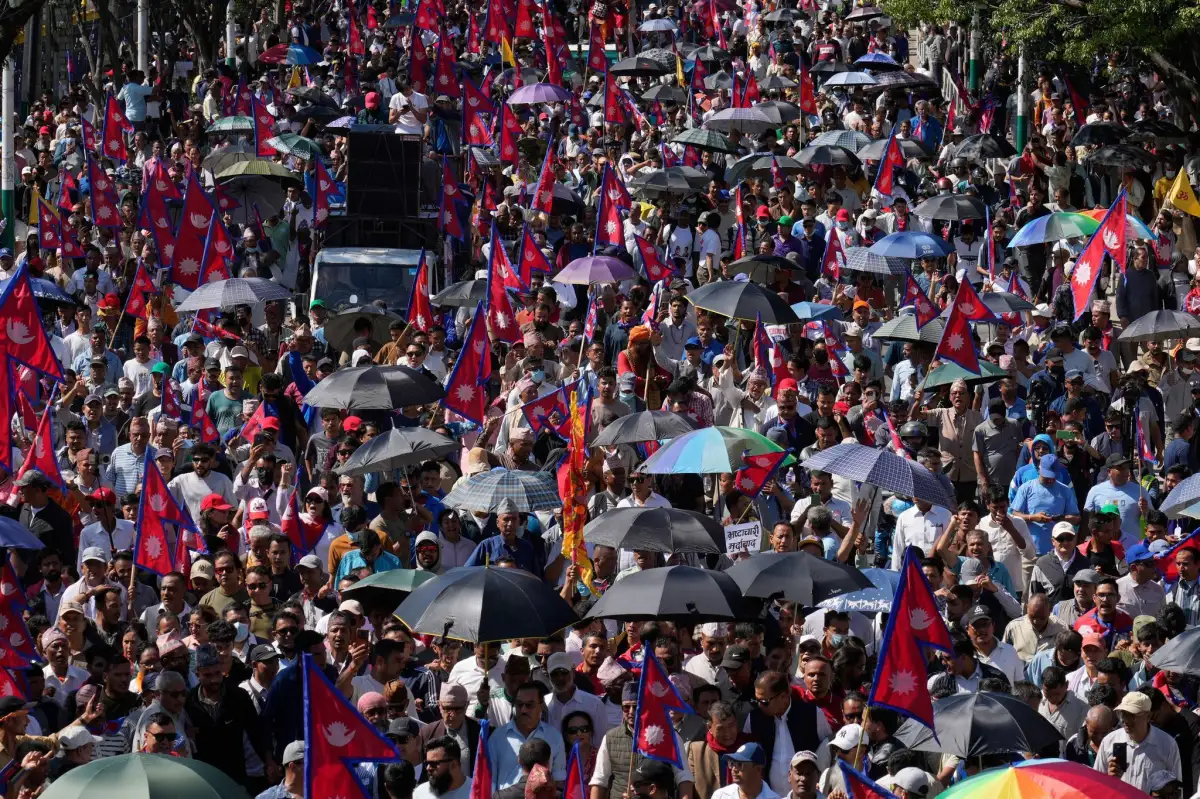
Recent gatherings in Kathmandu saw thousands of individuals assembling to greet Gyanendra Shah upon his return from a trip.
Supporters lined the route from the airport, holding national flags and portraits of the former king.
Chants of "Bring Back The King" and "We want monarchy" were prominent among the crowds.
Some factions are advocating for the restoration of a constitutional monarchy, viewing the former king as a figure capable of unifying the nation beyond party politics.
The rallies have sometimes been met with a strong police presence, including riot gear, though direct intervention has varied.
Calls for Religious and Political Change
Beyond the call for monarchy's return, some demonstrations have included demands to reinstate Hinduism as the state religion.
The desire for change appears linked to a perceived deterioration in the country's situation since the abolition of the monarchy.
Supporters express hope that a return to monarchy could lead to a more stable political system.
Incidents of Violence and Arrests
While the recent rallies have largely been described as peaceful demonstrations, past pro-monarchy gatherings have resulted in conflict.
In March 2025, a pro-monarchy demonstration turned violent, leading to clashes between protesters and security forces.
This incident resulted in the deaths of two people, including a television cameraman, and injuries to many others.
Arrests were made during that event, with some protesters reportedly still in custody.
Official Responses and Public Commentary
The former king, Gyanendra Shah, has not publicly commented on the renewed calls for monarchy restoration. However, he has previously expressed sorrow over violence that has occurred during pro-monarchy rallies. Authorities have managed these gatherings, sometimes by granting permission for separate rallies at different times and locations, as seen with pro-monarchy groups and republic supporters holding events concurrently.
Expert Analysis
Political observers note that despite the visible public support, Gyanendra Shah faces significant challenges in regaining power in the immediate future. The political landscape in Nepal remains divided on the issue of monarchy versus republicanism. The persistent demonstrations, however, underscore an ongoing public discourse regarding the nation's governance structure and its effectiveness.
Read More: Elephants in the Fog wins Cannes 2026 Jury Prize for Nepal cinema
Conclusion
The recent rallies in Kathmandu signal a persistent undercurrent of support for Nepal's former monarchy, fueled by public dissatisfaction with the current republican system and its perceived instability. While thousands have vocally expressed their desire for change, the practical path toward reinstating the monarchy remains complex and contested. The situation continues to highlight the unresolved debates surrounding Nepal's political future, with calls for both monarchy and religious traditionalism resonating among a segment of the population. The events also bring attention to the legacy of past violence associated with such movements and the ongoing efforts by authorities to manage public assembly.
Sources
The Economic Times: Thousands rally in support of Nepal's former king and call for monarchy's return - https://economictimes.indiatimes.com/news/international/world-news/thousands-rally-in-support-of-nepals-former-king-and-call-for-monarchys-return/articleshow/128329908.cms
News18: 'Bring Back The King': Thousands Rally In Kathmandu Demanding Return of Monarchy - https://www.news18.com/world/bring-back-the-king-thousands-rally-in-kathmandu-demanding-return-of-monarchy-ws-l-9901447.html
YourNews: Thousands Rally in Kathmandu to Welcome Former King and Call for Monarchy’s Return - https://yournews.com/2026/02/13/6457581/thousands-rally-in-kathmandu-to-welcome-former-king-and-call/
Firstpost: Nepal: Protests erupt in Kathmandu as ex-king Gyanendra’s supporters demand monarchy’s return - https://www.firstpost.com/world/mass-protests-in-nepal-call-for-monarchys-return-blame-republic-for-instability-13870098.html
Khaleej Times: Look: Nepal supporters of former king demand restoration of monarchy - https://www.khaleejtimes.com/world/asia/nepal-monarchy-supporters-protests
Al Jazeera: Thousands welcome Nepal’s ex-king to Kathmandu, demand return of monarchy - https://www.aljazeera.com/news/2025/3/9/pro-monarchists-welcome-nepals-deposed-king-gyanendra-to-kathmandu
AP News (via AOL): Thousands in Nepal want monarchy back as public frustration with politics grows - https://apnews.com/article/nepal-monarchy-king-rally-hindu-414a582b912810f5a19a4e41e8badf18
The Asahi Shimbun: Tens of thousands demonstrate in Nepal seeking restoration of ousted monarchy - https://www.asahi.com/ajw/articles/15807676