NanoClaw, the open-source AI agent framework, has successfully raised $12 million in seed funding, turning down a prior acquisition offer valued at approximately $20 million. The funding comes as the project, spearheaded by creator Gavriel Cohen and his brother and co-founder Lazer Cohen, experiences viral adoption, with reports of thousands of users within weeks of its emergence.
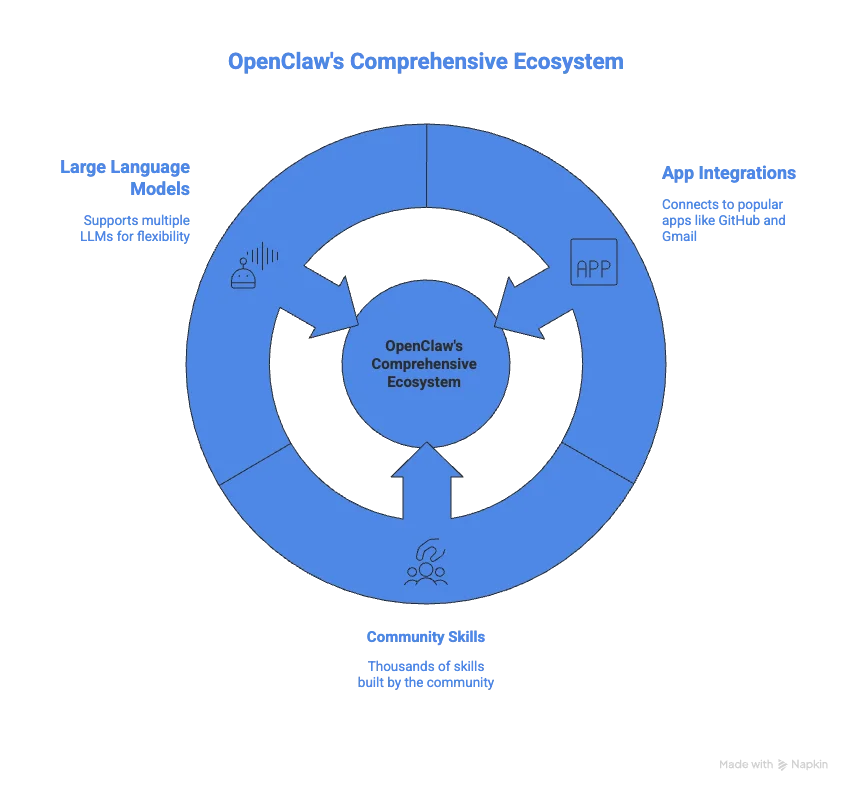
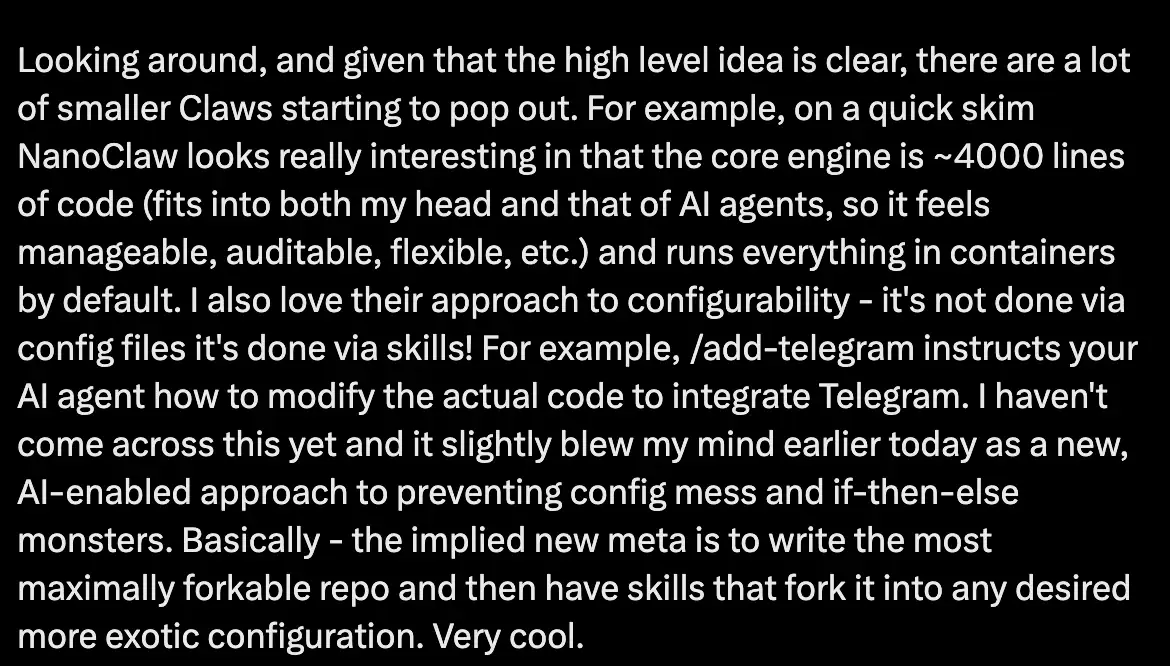
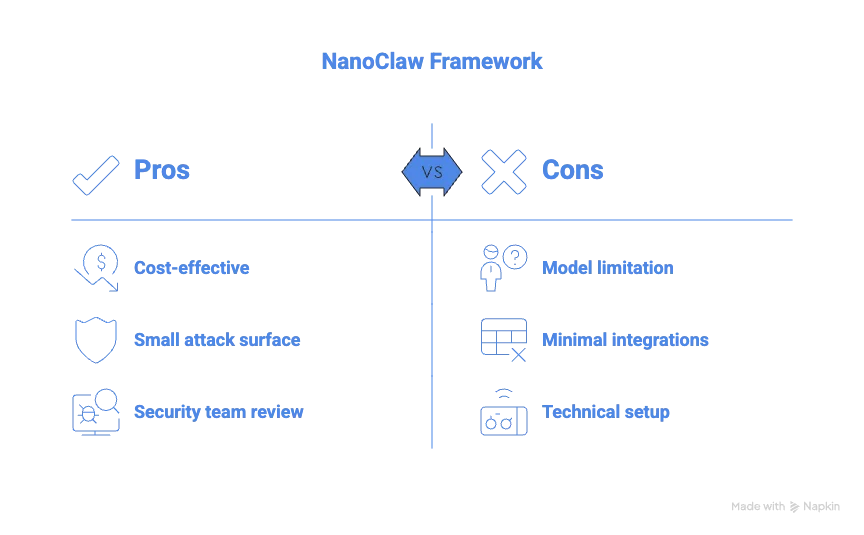
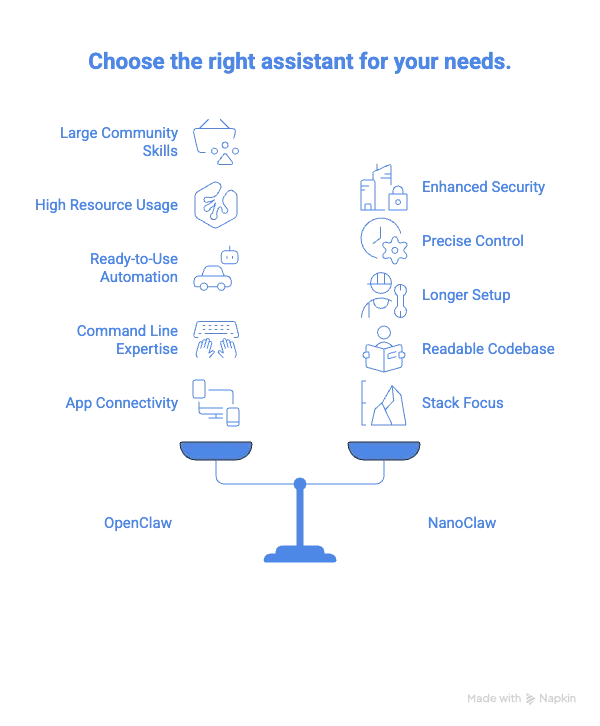
The framework, lauded for its focus on security and a deliberately lean codebase, has quickly garnered attention. Unlike its more sprawling predecessor, OpenClaw, NanoClaw boasts a codebase measured in hundreds of lines, contrasting sharply with OpenClaw's hundreds of thousands. This architectural choice is presented as a core tenet of its security proposition, making it more auditable and manageable.
"We have many thousands of people using NanoClaw." - Gavriel Cohen
The project's trajectory has been remarkable, moving from development on a couch to widespread recognition, including endorsements from notable figures like Andrej Karpathy and attention from government officials. This rapid ascent is attributed to its open-source distribution strategy, which acted as both a distribution channel and an early indicator of product-market fit.
Read More: OpenAI legal dispute with Elon Musk on 22 May 2026 delays IPO plans
Security as a Differentiator
NanoClaw's design emphasizes security through containerized execution and a minimal dependency footprint. The framework runs AI agents within sandboxed containers, a deliberate measure to limit their access to underlying systems. This approach addresses what is described as a fundamental industry challenge: enabling autonomous AI agents without introducing unacceptable operational risks, particularly as they gain access to sensitive data like emails and financial information.
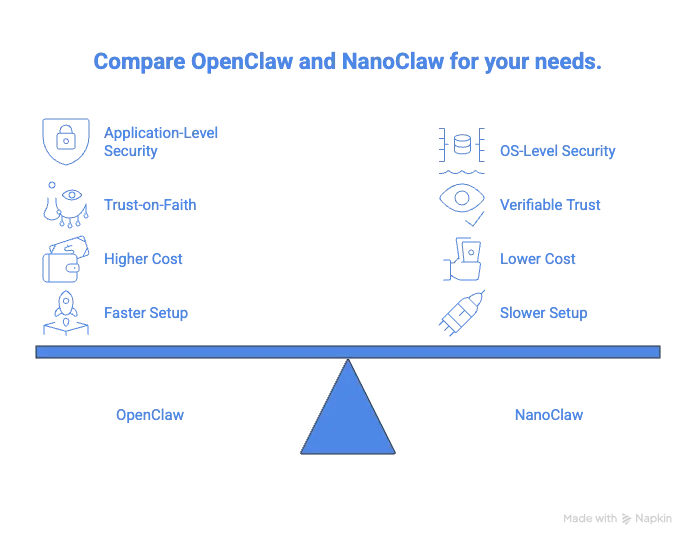
Recent partnerships, such as the one with Vercel, aim to further bolster this security aspect by integrating human oversight mechanisms into AI agent deployment. Vercel's platform provides the infrastructure for deploying and scaling applications, allowing developers to leverage it for real-time communication and interactions, bypassing the need to build custom approval systems.
Read More: AI Understanding: New Ways to Grasp Complexities
Open-Source Foundation and Accessibility
Built on an MIT license, NanoClaw is designed to be accessible and adaptable. It natively integrates with Anthropic's Claude Agents SDK, providing access to the latest Claude models and tools, including Claude Code. This allows for customisation and modification of the framework. Installation is facilitated through straightforward commands, with the nanoclaw.sh script guiding users from a fresh machine to a functional named agent. The system also incorporates automatic diagnostics using Claude Code for troubleshooting failures.
The framework supports various messaging platforms, including WhatsApp, Telegram, Slack, Discord, and Gmail. It is designed for multi-agent capabilities, known as "Agent Swarms," and includes features like memory and scheduled jobs. Its lightweight nature also means it can be deployed across diverse environments, from personal computers running Windows, Linux, and macOS, to network-attached storage devices like Synology NAS and virtual private servers (VPS).
Read More: Young Women Build Own PCs Against Tech Giants
Origins and Vision
NanoClaw emerged as a response to the perceived complexity and security challenges of existing AI agent frameworks. Its creators positioned it as a simpler, more secure, and open-source alternative. The decision to pursue seed funding over a substantial buyout offer suggests a long-term vision for the project, potentially focusing on community development and sustained innovation, rather than immediate acquisition. The involvement of community members, such as one working on integration with specialized hardware like Reachy Mini, highlights the collaborative ethos driving NanoClaw's evolution.