An unnamed digital traveler uploaded footage of herself weeping in Morocco because the kitchens were locked. The timing overlapped with Ramadan, a month where public eating stops during daylight. This clip triggered a standard cycle of digital noise: accusations of cultural illiteracy met by counter-claims that tourism boards fail to warn the paying guest.
The conflict highlights a jagged edge where the global tourism machine grinds against local religious rhythm.
The traveler expressed distress over the lack of accessible food.
Commentators suggested the burden of "research" falls on the visitor.
Defenders of the influencer argued for better information clarity from travel agencies.
The incident remains a focal point for debates on whether the "guest" has a right to demand service during a communal fast.
THE FRACTURED MOON: ADMINISTRATIVE DISARRAY AT MONTH’S END
While travelers struggle with midday hunger, the institutions governing the fast are struggling with the sky. The conclusion of Ramadan, marked by Eid Al-Fitr, failed to align across borders, creating a geographical map of conflicting religious authority. The disagreement stems from varied methods of astronomical math and physical moon-spotting.
"Muslims in the Middle East ended their fasting for the holy month of Ramadan in disagreement… in what has become a particularly acrimonious dispute."
RELIGIOUS CALENDAR SPLIT (MARCH 2025)
| Sunday Celebration (Eid) | Monday Celebration (Eid) |
|---|---|
| Saudi Arabia, UAE | Morocco, Pakistan |
| Qatar, Kuwait | Algeria, Tunisia |
| Lebanon, Turkey | Malaysia, Indonesia |
In Iraq, the friction reached a point where civilians performed prayers outside mosques, ignoring the official clergy who could not agree on the timing. This highlights that the "tradition" tourists find so immovable is itself in a state of internal bureaucratic tension.
Read More: Margaret River Named World's Best Wine Place
DOMESTIC REVERBERATIONS: THE KRUGER BACKLASH
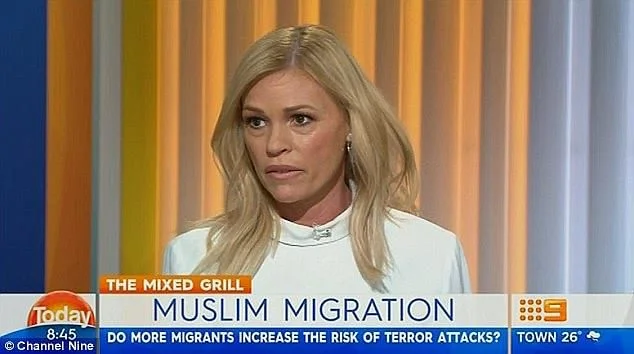
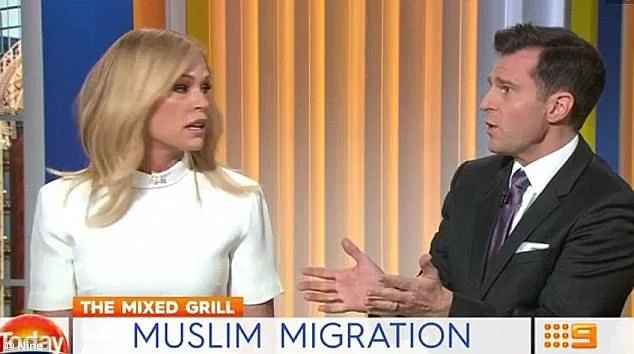
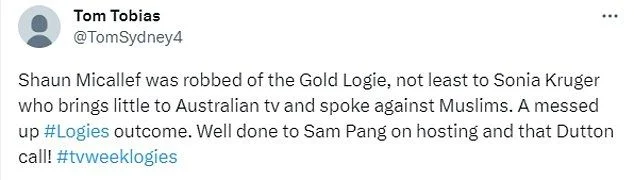
The tension regarding Islamic presence is not limited to the borders of the Middle East or North Africa. In Australia, the awarding of the Gold Logie to television host Sonia Kruger revived older, brittle arguments. Kruger’s win was met with public reminders of her 2016 comments regarding a total halt on Muslim immigration to Australia.
Sonia Kruger stated she wanted to "feel safe" when arguing for immigration bans.
The comments led to formal racial vilification complaints at the time.
Kruger has defended her right to express opinions without being labeled.
The industry’s decision to reward Kruger suggests a disconnect between institutional accolades and a vocal segment of the public that views her rhetoric as a permanent stain on her career.
BACKGROUND: THE GLOBAL FRICTION
The influencer's tears and the politician's trophies are two sides of the same uneven coin. One side demands that the world cater to their immediate comfort (the tourist), while the other seeks to insulate themselves from the "other" (the television host). Between them lies the actual lived reality of millions—a month of fasting that is currently subject to both influencer commodification and internal theological disputes over the sighting of a crescent.
Read More: Andres Iniesta Joins Morocco National Football Team as New Sporting Director in 2024
The digital era ensures that every localized custom is now a global grievance.