


Tehran - In the midst of an escalating conflict with a perceived U.S.-Israeli alliance, Iran's Assembly of Experts has appointed Mojtaba Khamenei as the nation's new supreme leader. The selection, reported by state media, follows the death of his father, Ayatollah Ali Khamenei, who was killed in strikes that also claimed the lives of Mojtaba's wife and one of his sons. The Israel Defense Forces have declared that the new leader and any members of the assembly who chose him are now legitimate targets.
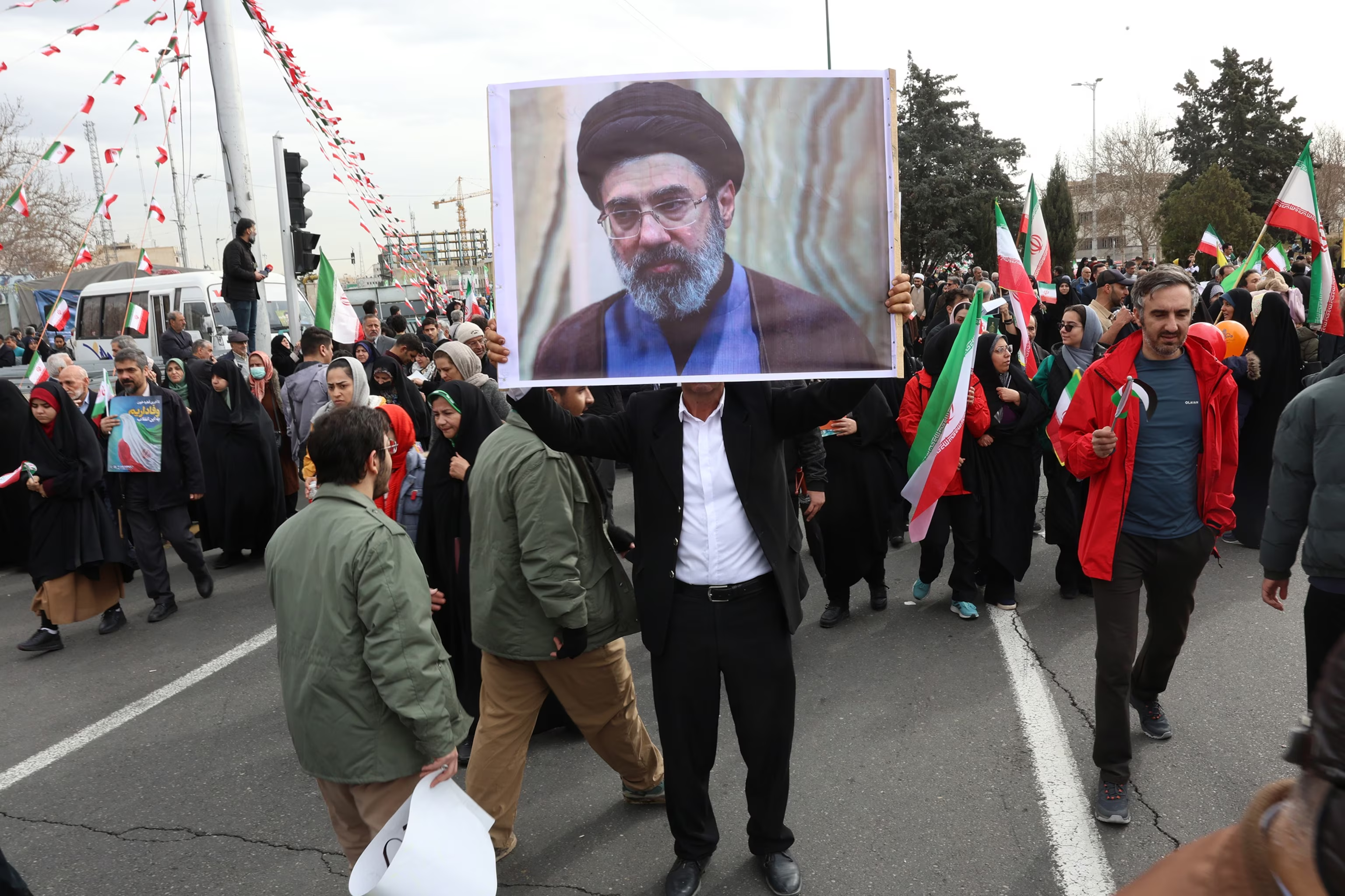
==The appointment positions Mojtaba Khamenei, a 56-year-old cleric with significant influence within Iran's security forces and extensive business ties cultivated under his father's regime, to inherit the nation's highest office.This transition occurs as the Islamic Republic confronts what is described as an existential war, with the United States and Israel appearing intent on regime change.==
Read More: Lawyers Blocked From Parliament Before Jury Trial Vote on April 15

A New Face in Power
Mojtaba Khamenei's ascension to the apex of Iranian power marks a significant shift, particularly given his comparatively lower public profile compared to his predecessor. While his father, Ayatollah Ali Khamenei, was a renowned figure with a considerable following before assuming leadership, Mojtaba is described as a less publicly visible cleric. Despite undergoing religious training, he has not garnered widespread recognition as a prominent public scholar or orator. His influence has historically operated more behind the scenes, within the intricate power structures of Iran.
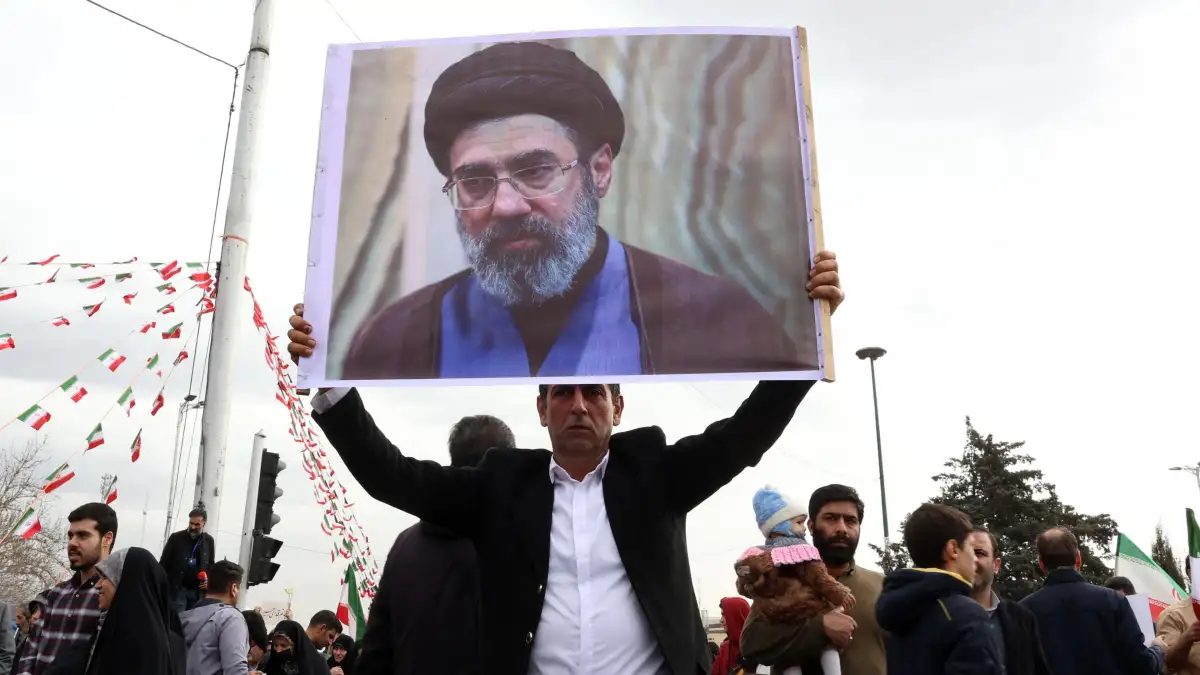
He has been considered a frontrunner for the position for over two decades.
His appointment suggests a continuation of his father's hardline policies, a trajectory many observers anticipate.
Reports indicate that while he holds influence and connections to vast business networks, any properties or assets are not officially registered in his name.
Context of Conflict
The selection of Mojtaba Khamenei unfolds against a backdrop of intense geopolitical pressure. The ongoing war, ignited by strikes that killed Ayatollah Ali Khamenei, has intensified the internal political dynamics of Iran. The declaration by the Israel Defense Forces targeting the new leadership and the assembly members underscores the gravity of the international confrontation. Protests have been noted, with some citizens chanting slogans against Mojtaba's potential succession, highlighting internal divisions.
Read More: US Israel Offensive in Iran Kills 1,230, Oil Prices Rise
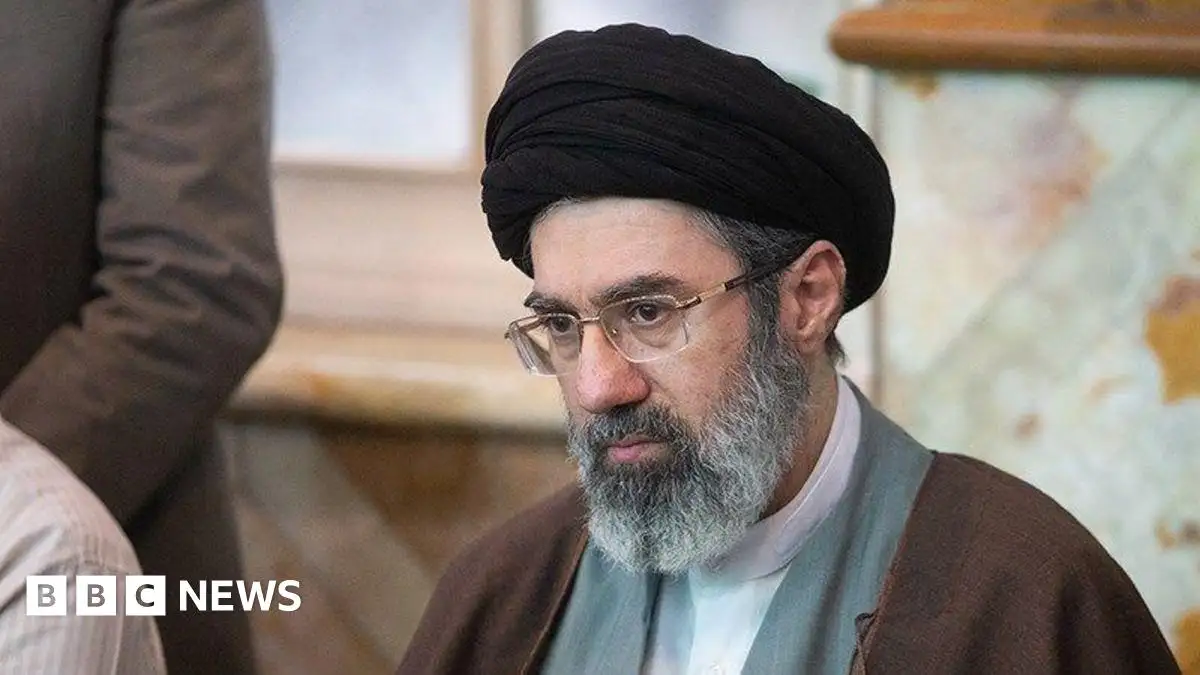
Background: The Supreme Leader's Role
The office of Supreme Leader is the most powerful position in Iran's political hierarchy. The Assembly of Experts, a body composed of 88 clerics, is constitutionally tasked with appointing and overseeing the Supreme Leader. Ayatollah Ali Khamenei held this position for over 37 years before his death. The appointment of his son, Mojtaba, raises questions about the future political direction of Iran and its role in the ongoing regional conflict.